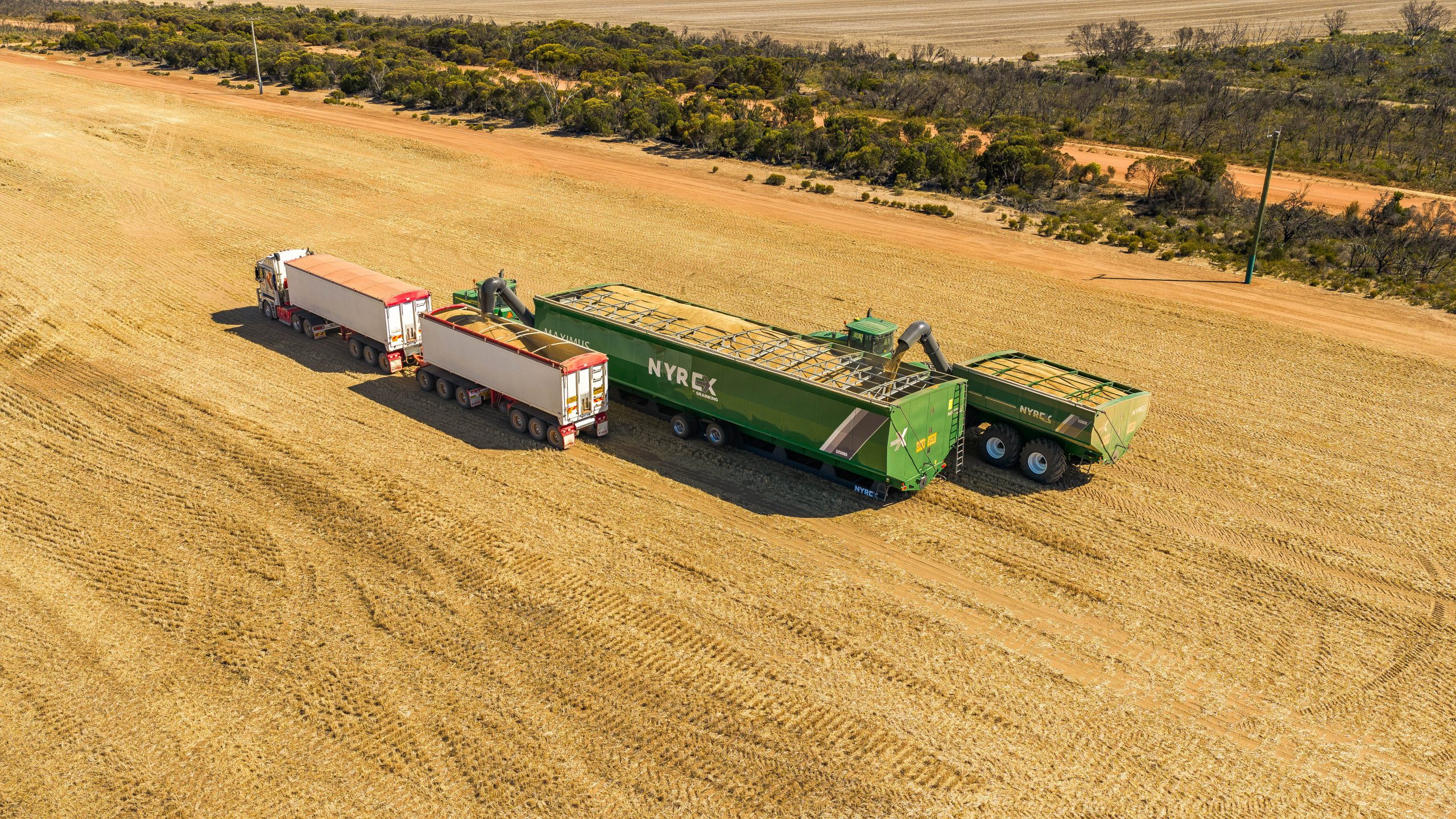
The pressure farmers feel when harvest arrives is immediate. There is a narrow window you need to get grain off the paddock, and every decision you make in that window has operational and financial consequences.
Where your grain goes after it leaves the header is one of the most important decisions in your operation. For too many farmers, the default answer is to use a local bulk handler. It’s a perfectly fine solution, but it’s also expensive and not the most flexible solution. It limits your ability to respond to market changes or manage your grain optimally.
This is why handling grain storage on your farm is ideal. Using field bins, you gain control over harvest logistics, grain quality, and, critically, when you sell. The case for investing in on-farm storage solutions like field bins has never been stronger, with the country producing approximately 50 million tonnes of grain per year.
In this article, we’ll go over what that investment actually delivers.
Maximising Harvest Efficiency
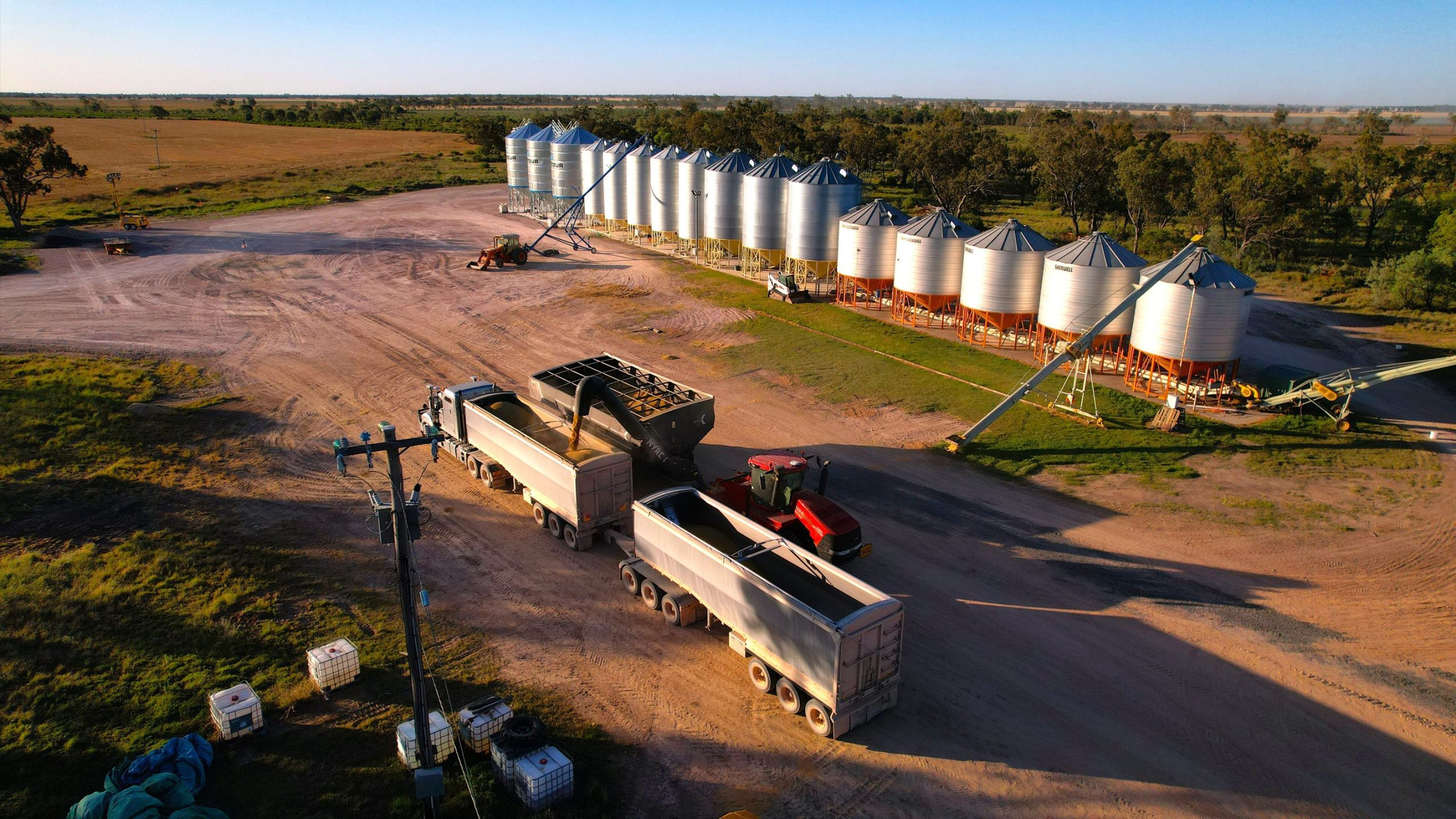
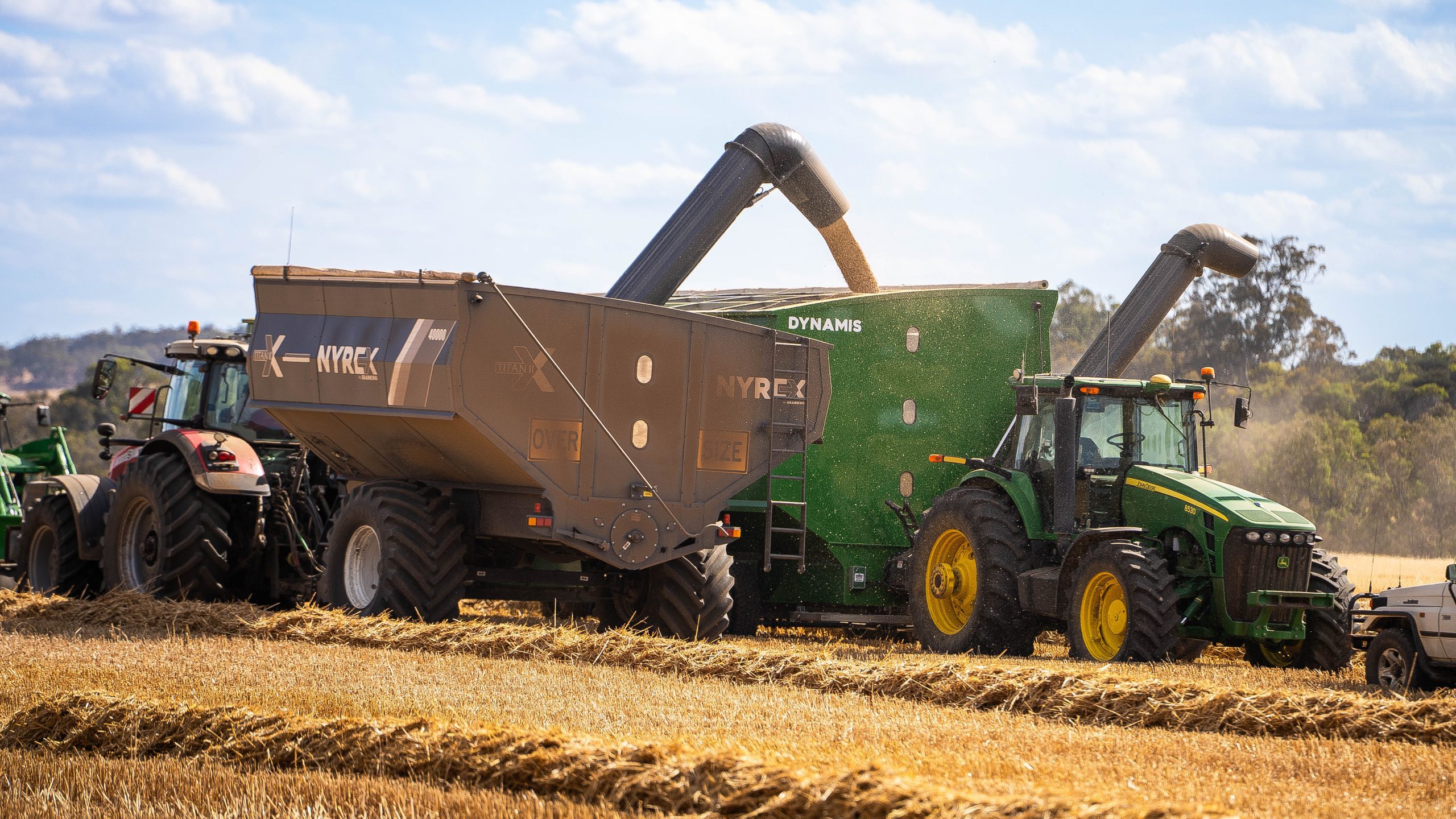
The biggest thief of harvest efficiency is waiting. When a header is forced to idle while trucks or storage capacity catch up, valuable harvesting time is lost and operational delays quickly compound. On-farm grain storage eliminates this bottleneck. With field bins positioned strategically across your operation, rain can flow directly from the header into storage on your property, eliminating the need to wait for your trucks or commercial handler to arrive.
GRDC highlights that harvest logistics are one of the primary motivations for farmers investing in on-farm storage, specifically because it decouples your harvest pace from external constraints.
This matters most during your peak window. Australian grain farmers already manage challenging seasonal conditions. Delays at the header that compound through the day add up to lost tonnes and increased exposure to weather risk. A well-planned on-farm grain storage system keeps your operation moving at the ideal pace for your equipment.
Market Timing Flexibility & Profitability
Grain prices follow a predictable pattern every year in Australia. At harvest, supply floods the market and prices fall. Farmers without storage have no choice but to sell into that trough, while farmers with on-farm grain storage can wait for the best time to sell.
Growers who maintain grain quality with on-farm storage go from being price takers to price makers. Post-harvest, lower-grade wheats tend to attract smaller discounts, and the grade spread between different quality classifications typically tightens after the harvest period. Selling into that window rather than at the height of supply can improve your return per tonne.
On-farm grain storage also allows you to split your strategy. You can forward sell a portion for cash flow, deliver a portion at harvest if the price is right, and hold the remainder for a stronger post-harvest market. That flexibility is simply not available to farmers who rely entirely on commercial storage. The ability to choose when you sell is one of the clearest financial benefits on-farm grain storage delivers.
Quality Preservation and Loss Prevention
Grain quality degrades when storage conditions are poor. Moisture, insects, heat, and inadequate sealing are the main culprits, and the consequences are direct: downgrading, dockage, and, in serious cases, total loss of a portion of your crop.
SAGIT research recommends grain be stored below 15°C to minimise insect activity, and at moisture levels that maintain delivery-standard quality. On-farm field bins designed for Australian conditions give you direct control over those parameters. Because you monitor your grain, you can aerate as needed. You know exactly what condition your grain is in before it leaves your property.
Harvest delays for crops like lupins can result in yield losses of 5 to 20 per cent through physical damage and shedding. Having on-farm grain storage solutions protects that yield at the most vulnerable point in the supply chain. Remember that maintaining premium-grade classification has a direct impact on your returns.
Cost Savings vs Commercial Storage
Commercial grain storage is not a neutral cost. You have to pay receival fees, monthly storage fees, handling charges, and transport to get your grain there and back. In regional Australia, where freight distances are longer, those transport costs alone carry significant weight.
On-farm grain storage replaces those ongoing costs with a one-time capital investment. The infrastructure depreciates over time, but unlike commercial storage fees, it does not need to be paid every harvest season. Field bins in particular offer a lower entry point compared to permanent silo infrastructure, and their portability means you can reposition them to suit your operation as your needs evolve.
The other cost saving comes from timing. Commercial storage costs tend to peak at harvest when demand for receival capacity is highest. Farmers who have field bins on the farm reduce or eliminate their need to queue at bulk handling sites during peak periods, cutting both direct fees and the indirect cost of harvest delays.
Types of On-Farm Grain Storage Solutions
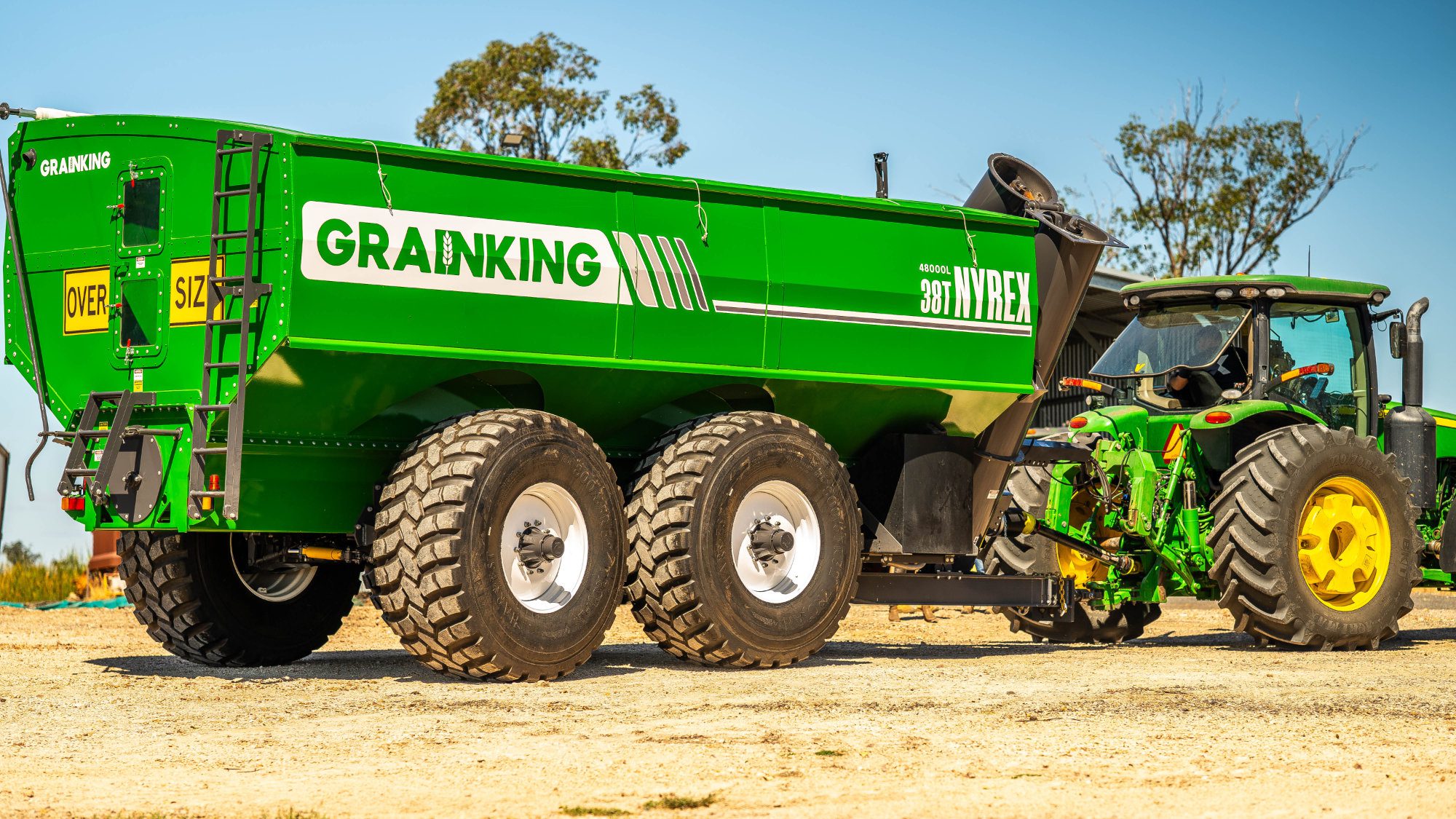
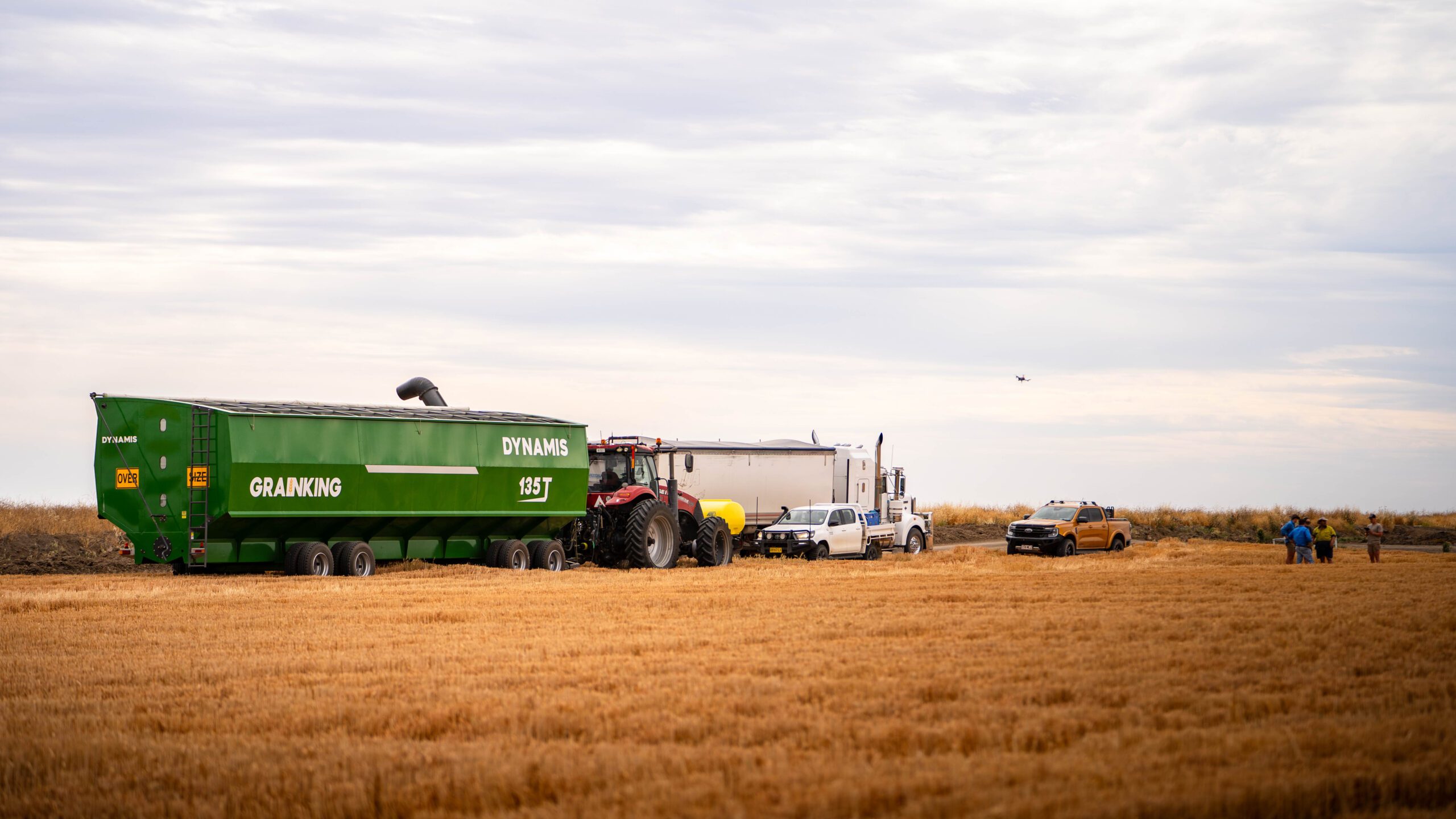
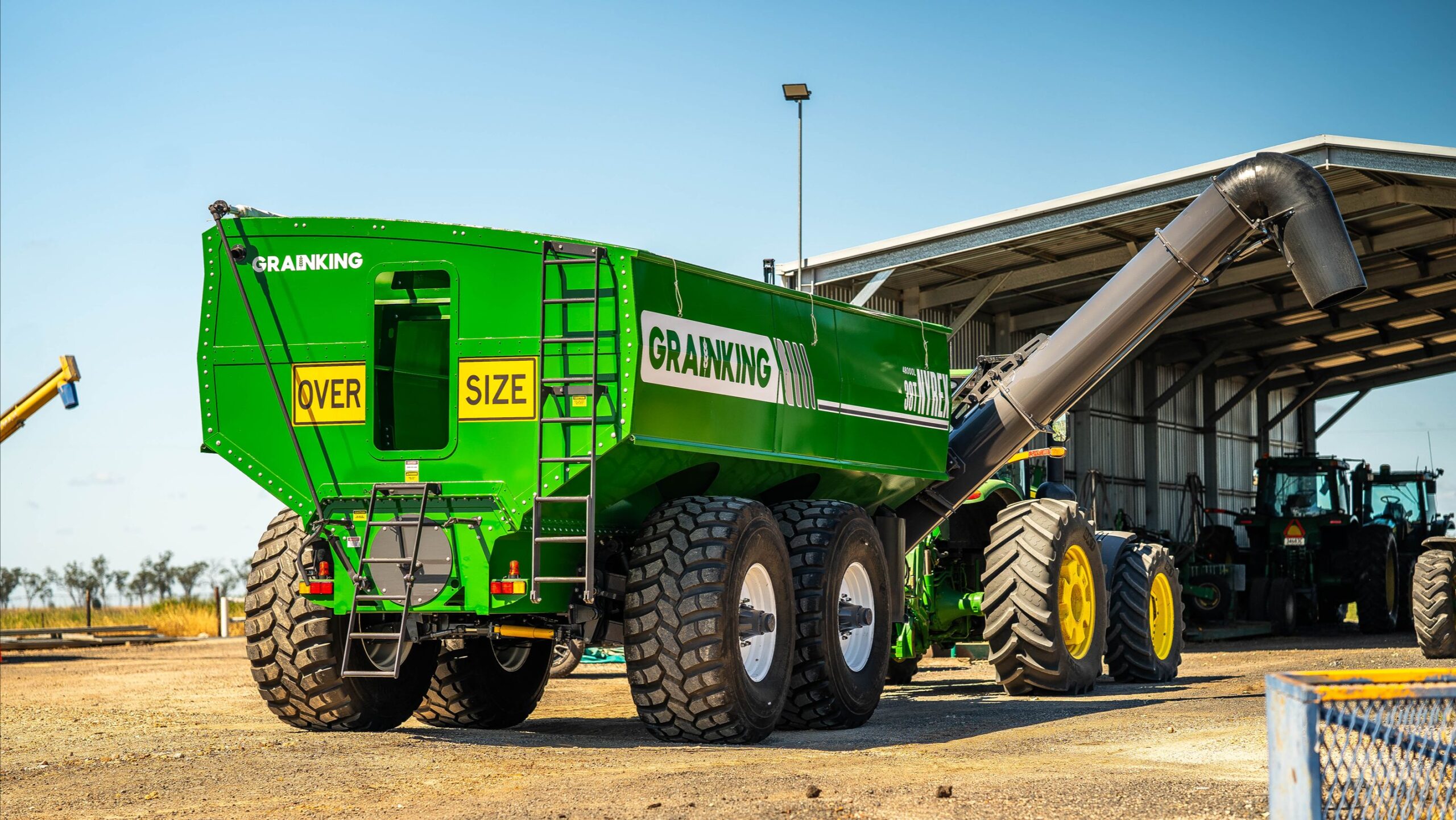
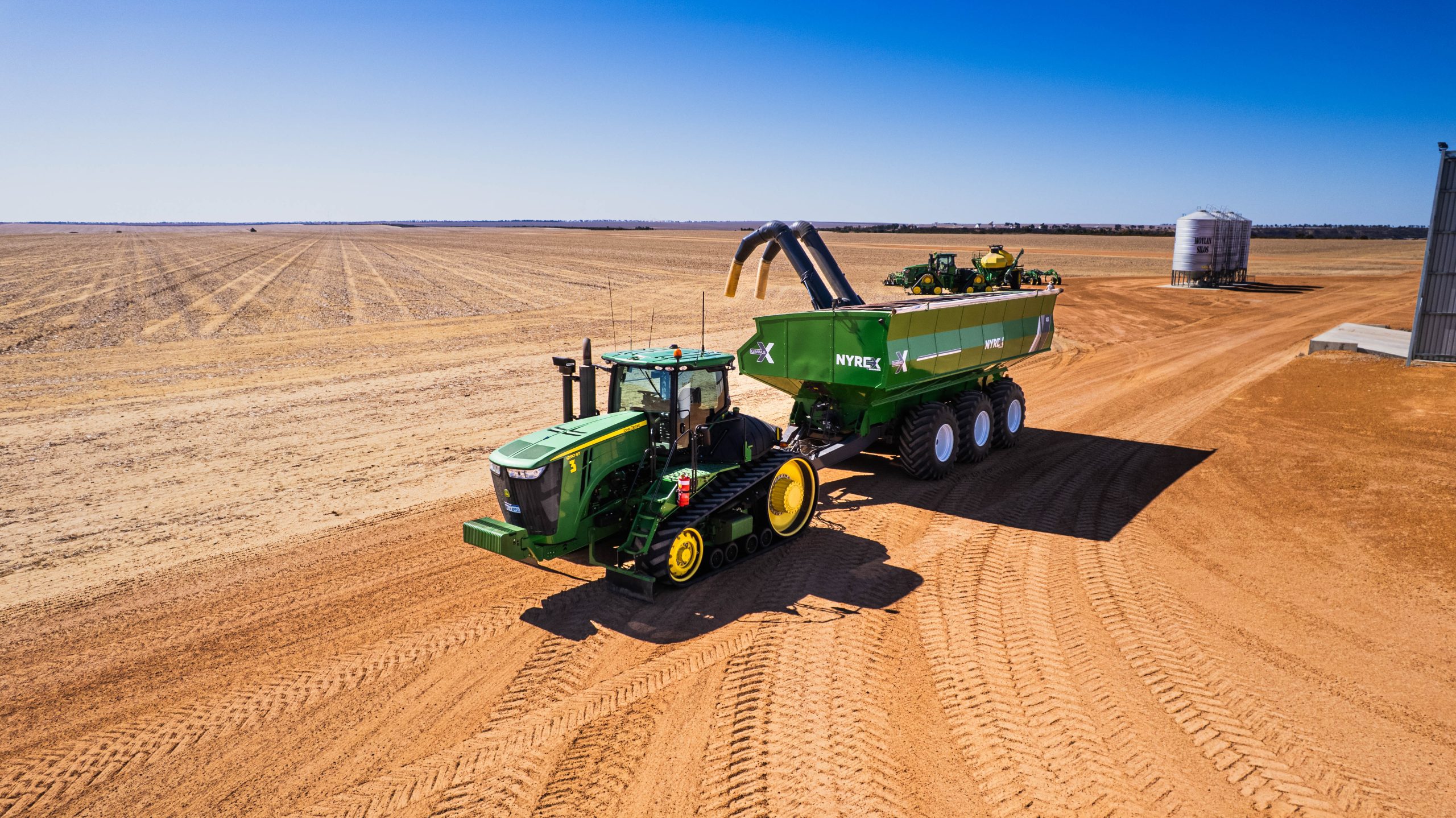
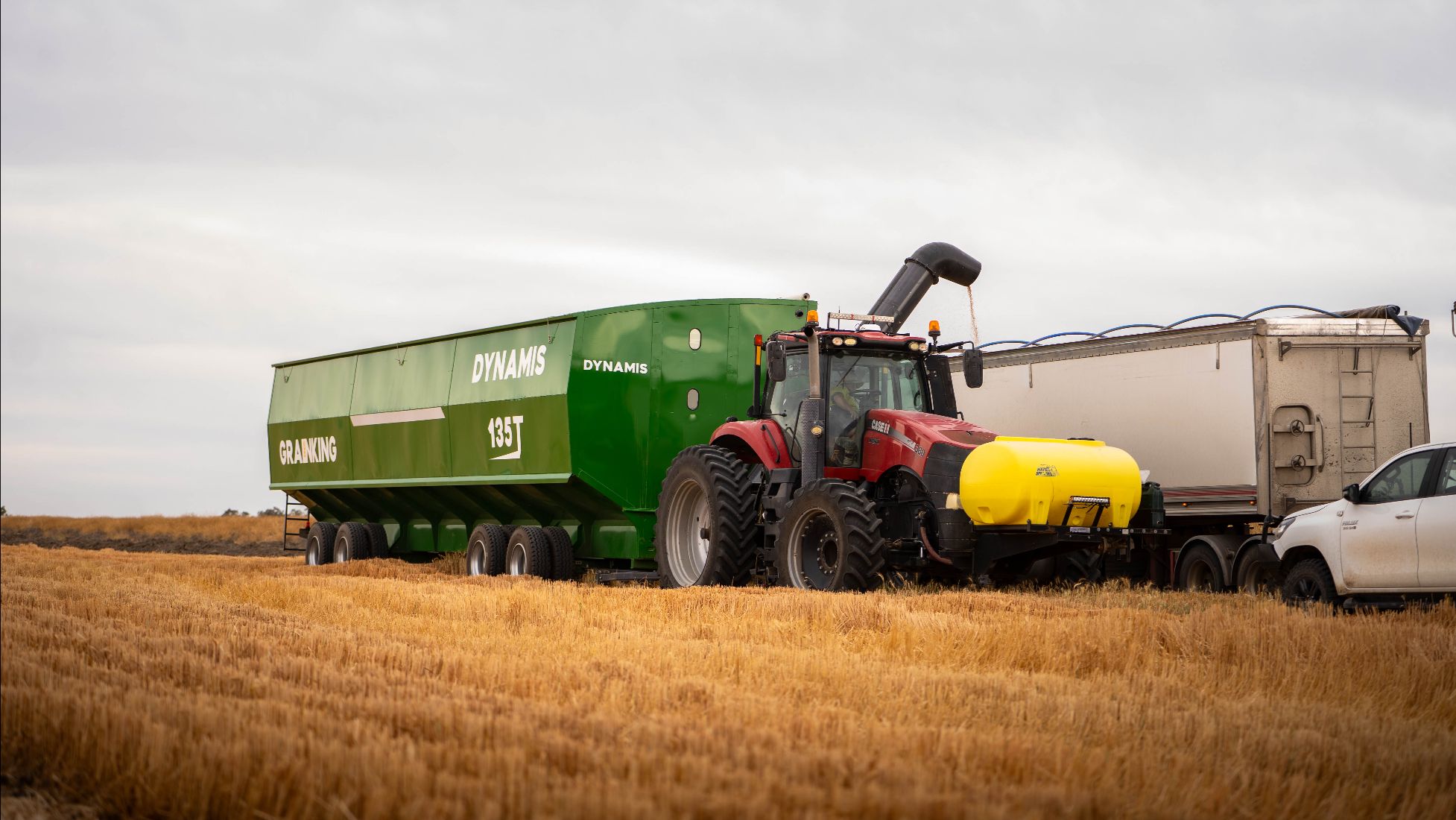
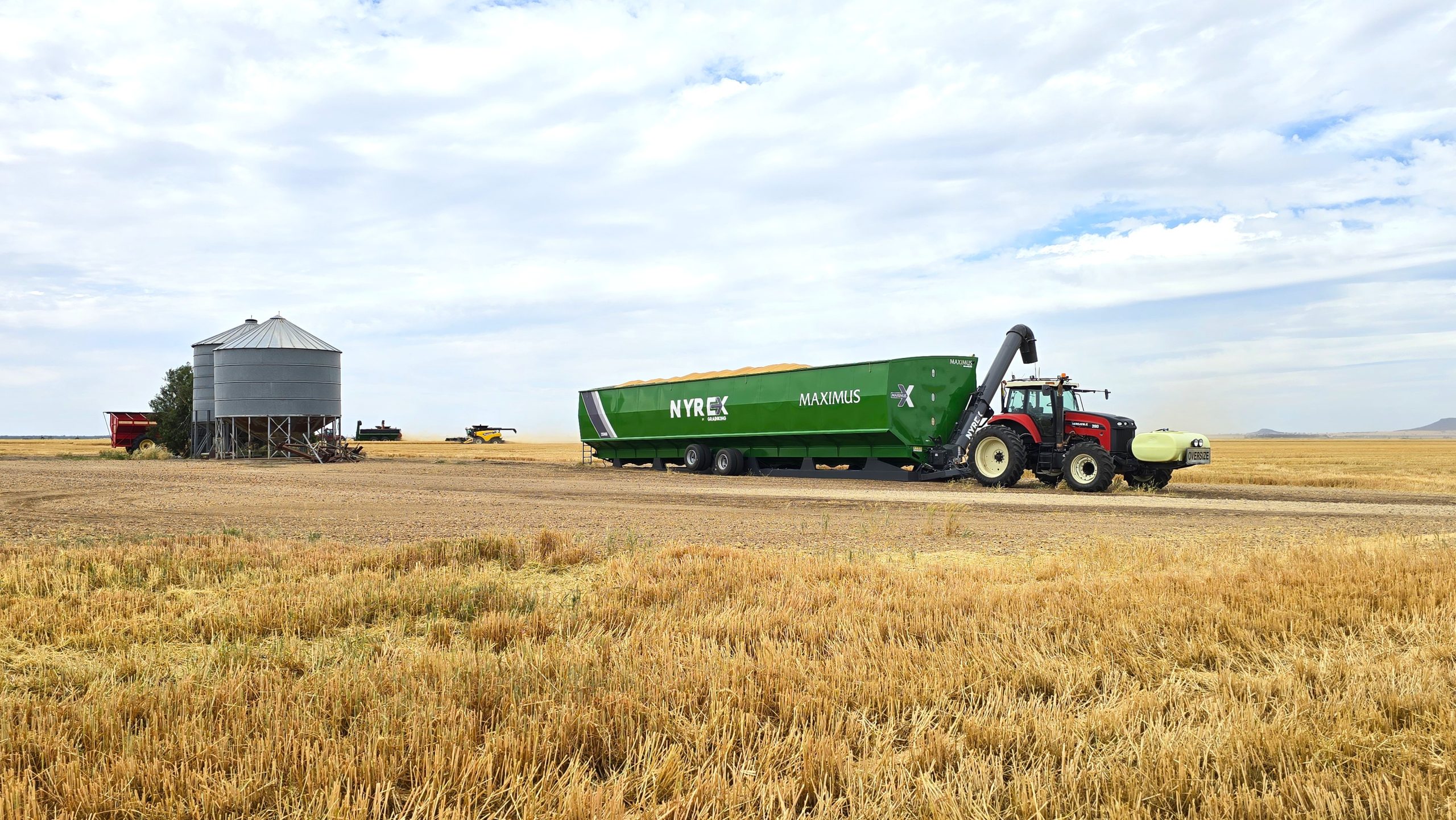
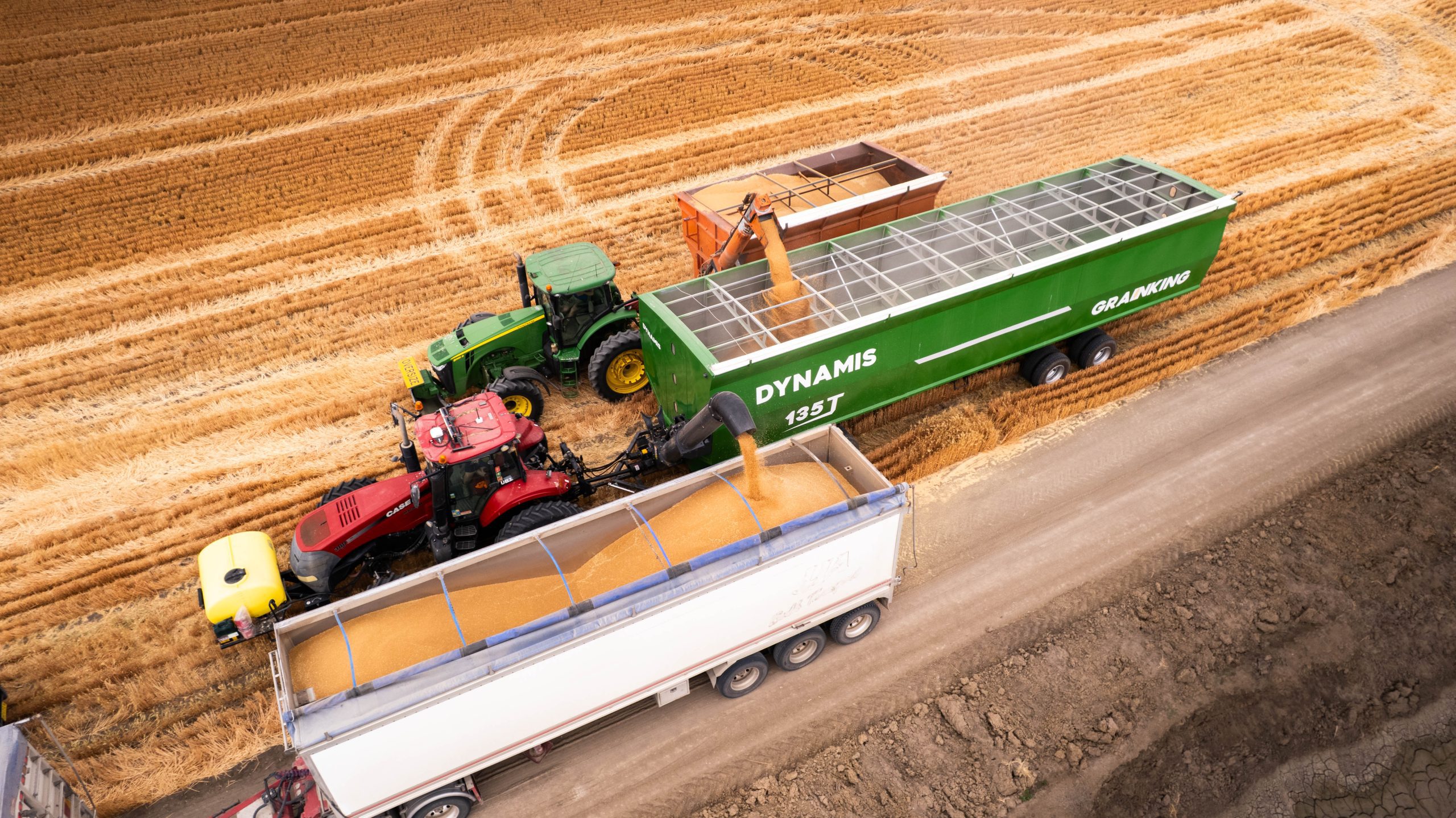
The right on-farm grain storage solution depends on your operation, your volumes, and how much flexibility you need. Field bins are the most versatile starting point. They are portable, typically ranging from 135 to 300-plus tonnes capacity, and repositionable across your property as harvest moves.
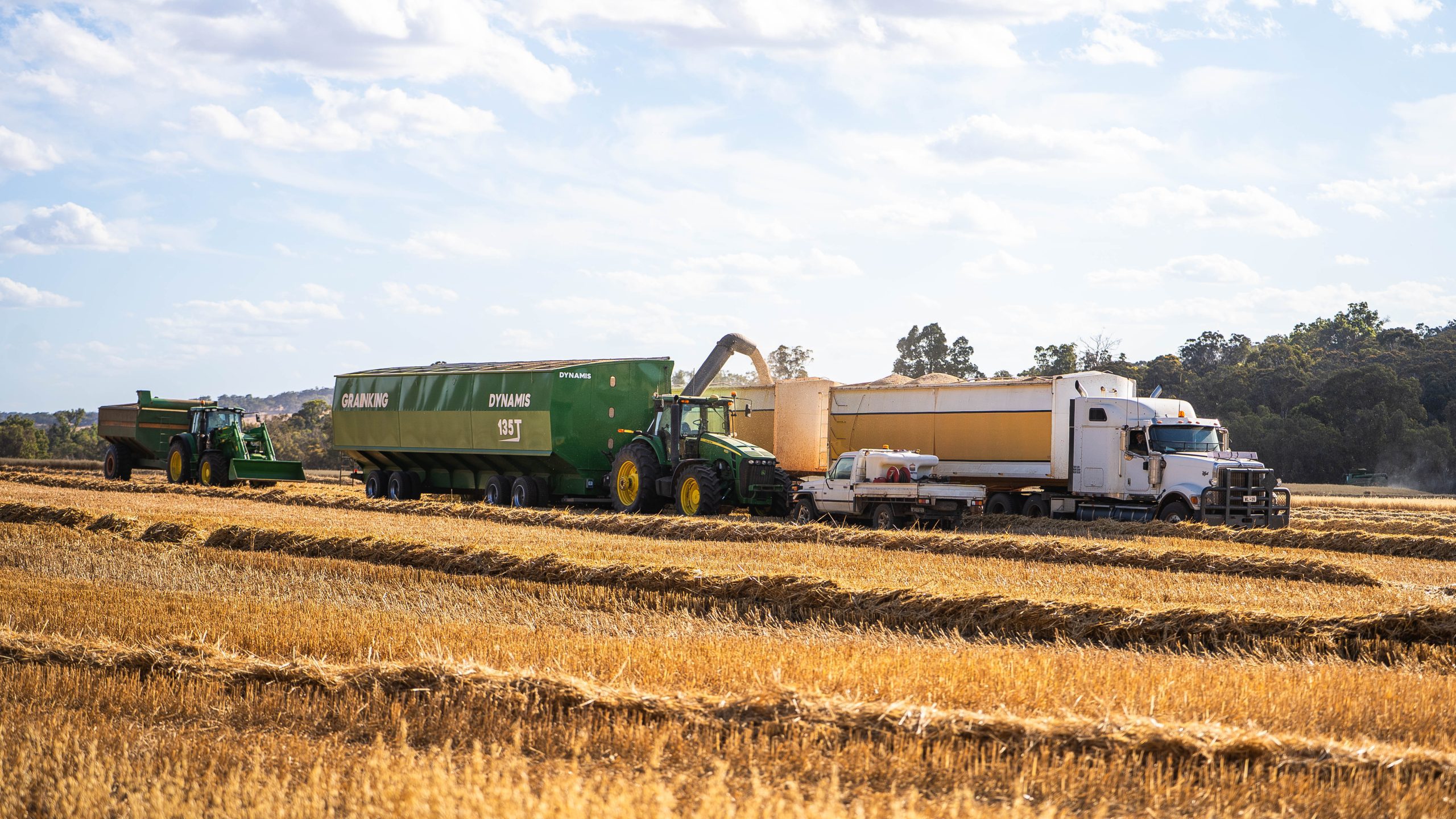
- GrainKing Dynamis field bins are purpose-built for Australian harvest conditions, with configurations suited to a range of operation sizes.
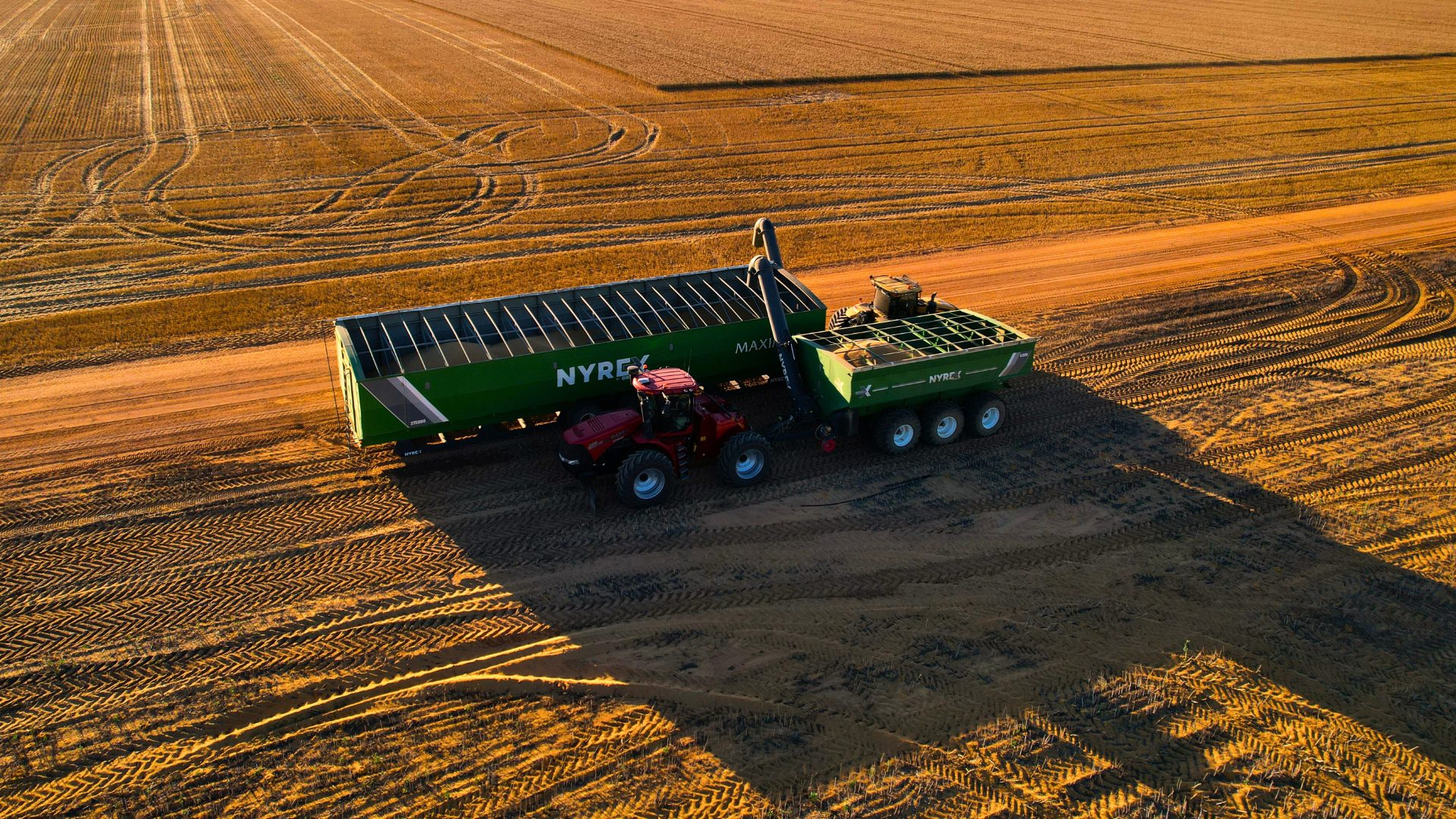
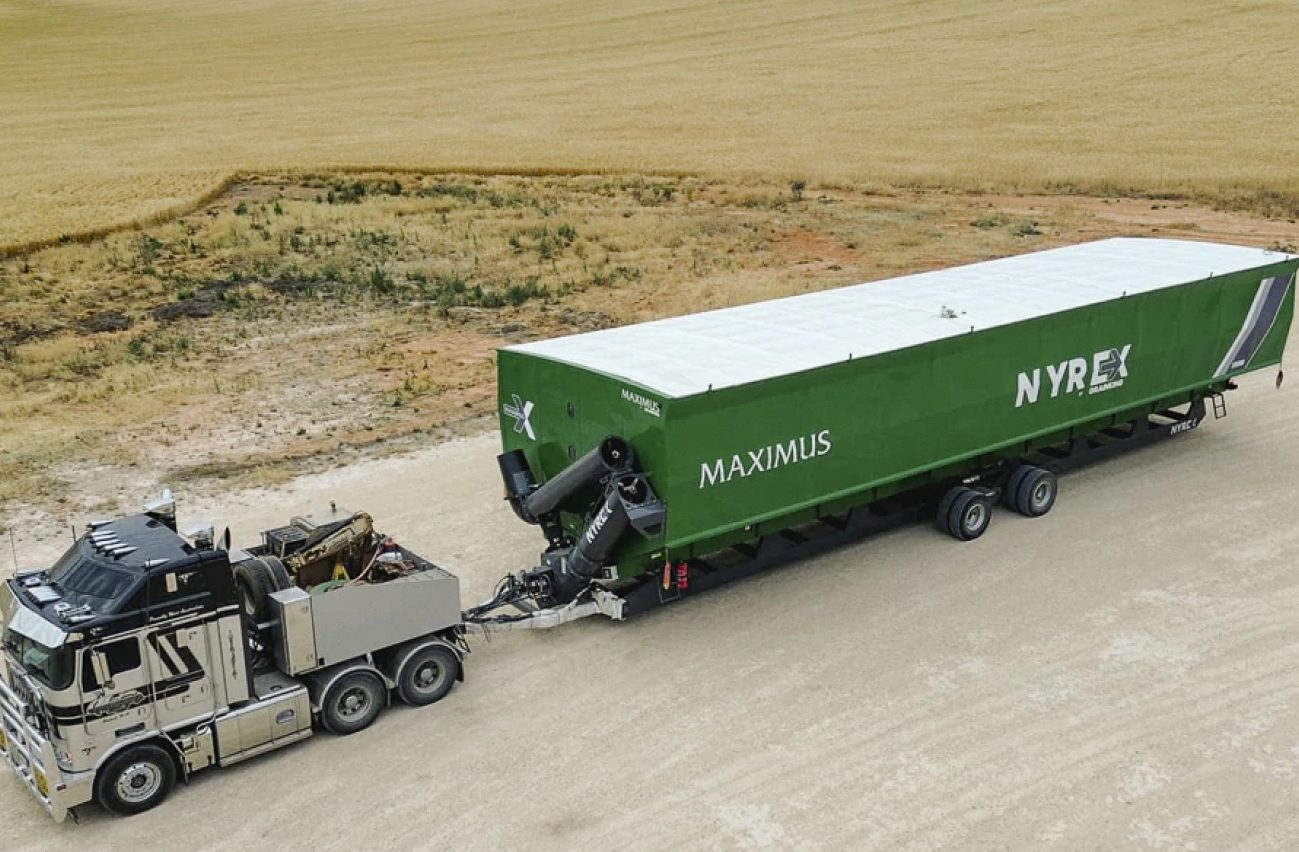
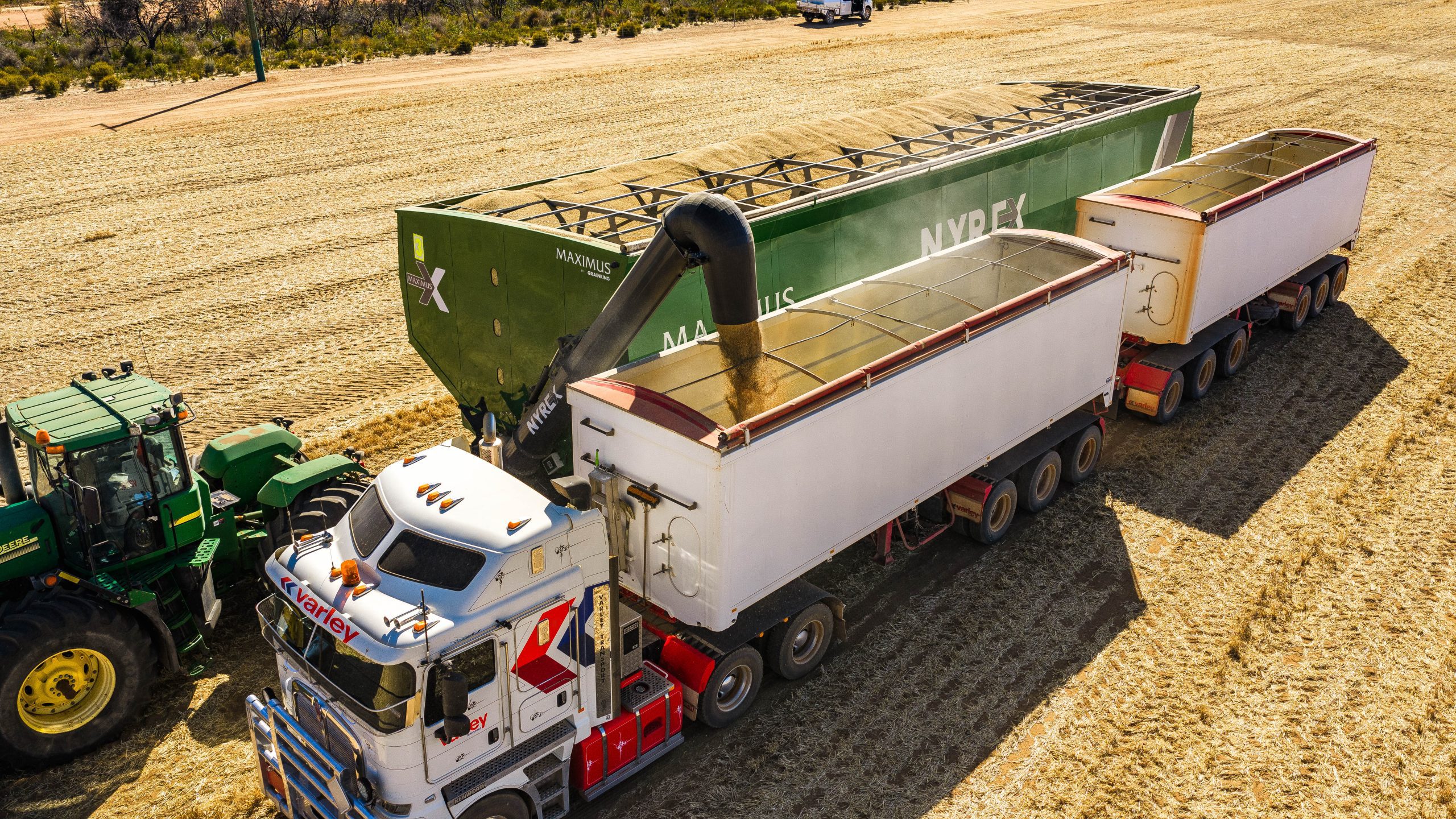
- Maximus Motherbins provide high-capacity on-farm storage for larger operations that require centralised grain storage and the ability to receive grain from multiple field bins, allowing your operation to keep moving without relying on road transport.
For most growers, a combination of portable field bins and fixed storage provides the best balance of harvest flexibility and holding capacity.
Operational Control & Farm Independence
On-farm grain storage allows you to reclaim control of your harvest logistics. Your schedule is no longer tied to when the bulk handler opens, when trucks are available, or whether there is space available at the facility. You make decisions based on what is right for your operation, your crop, and your market position.
That independence extends into marketing and selling your grain. With storage on hand, you can manage grain cleaning, blending for optimal grade outcomes, and direct selling to end buyers at a time that suits you. Some growers with strong local relationships now sell directly to end users and traders, capturing value that would otherwise go to intermediaries. Grain storage infrastructure underpins that capability.
Investment Considerations
On-farm grain storage is a capital investment, and it is worth approaching it with a clear picture of your numbers. Your annual harvest volumes, the amount you currently spend on commercial storage and freight, and the amount of pricing flexibility you are losing each season are key considerations.
Field bins suit operations from around 1,000 tonnes upward, particularly those facing harvest bottlenecks or growing into larger volumes. The return on investment comes from multiple directions simultaneously: direct savings on storage and freight, improved pricing from market timing, and reduced losses from better quality control. ROI timelines vary by operation, but the value starts with the first season.
It’s also worth considering the long-term trajectory of Australian grain production. With farm sizes increasing and market volatility unlikely to ease, the ability to manage your grain storage independently is becoming a competitive advantage rather than a convenience. GRDC’s planning for the Australian grains industry points to on-farm storage as a key part of how growers will manage marketing options and supply chain independence over the coming decade.
Take Control of Your Grain Storage This Season
Every stage of your harvest operation benefits from on-farm grain storage: faster, uninterrupted harvesting, improved grain quality, decreased dependence on commercial storage costs, and the flexibility to sell when the market dictates, rather than when harvest demands your attention.
GrainKing builds field bins and on-farm grain storage equipment specifically for Australian farming conditions. Whether you are setting up on-farm storage for the first time or expanding your capacity, the right bin configuration can transform how your harvest operation runs.
Ready to take control of your harvest? Browse the complete GrainKing range or request a custom quote to discuss your specific storage requirements.