
Your entire harvest depends on getting seed in the ground at the right time. If you sow too early, frost and other weather conditions can wipe out your crop. If you sow too late, your wheat can miss the optimal flowering window, leaving your yield in the paddock.
The sowing window is narrow. You might have three to four weeks to get your entire program in, depending on your region and crop mix. The weather can close that window fast. Rain, wet paddocks, and equipment paddocks can further set you back. Every day you lose puts your crop at risk.
Farmers know how crucial sowing is, from unpredictable weather conditions to the constant need to keep your air seeder moving. Every minute your machine sits idle waiting for a refill costs you time you cannot get back.
A grouper bin solves that problem. It’s a multi-compartment workhorse that keeps your sowing operation running at full speed, reduces labour needs, and makes the whole process safer.
Here is everything you need to know about grouper bins and how it can boost your sowing efficiency.
What Is a Grouper Bin and How Does It Work?

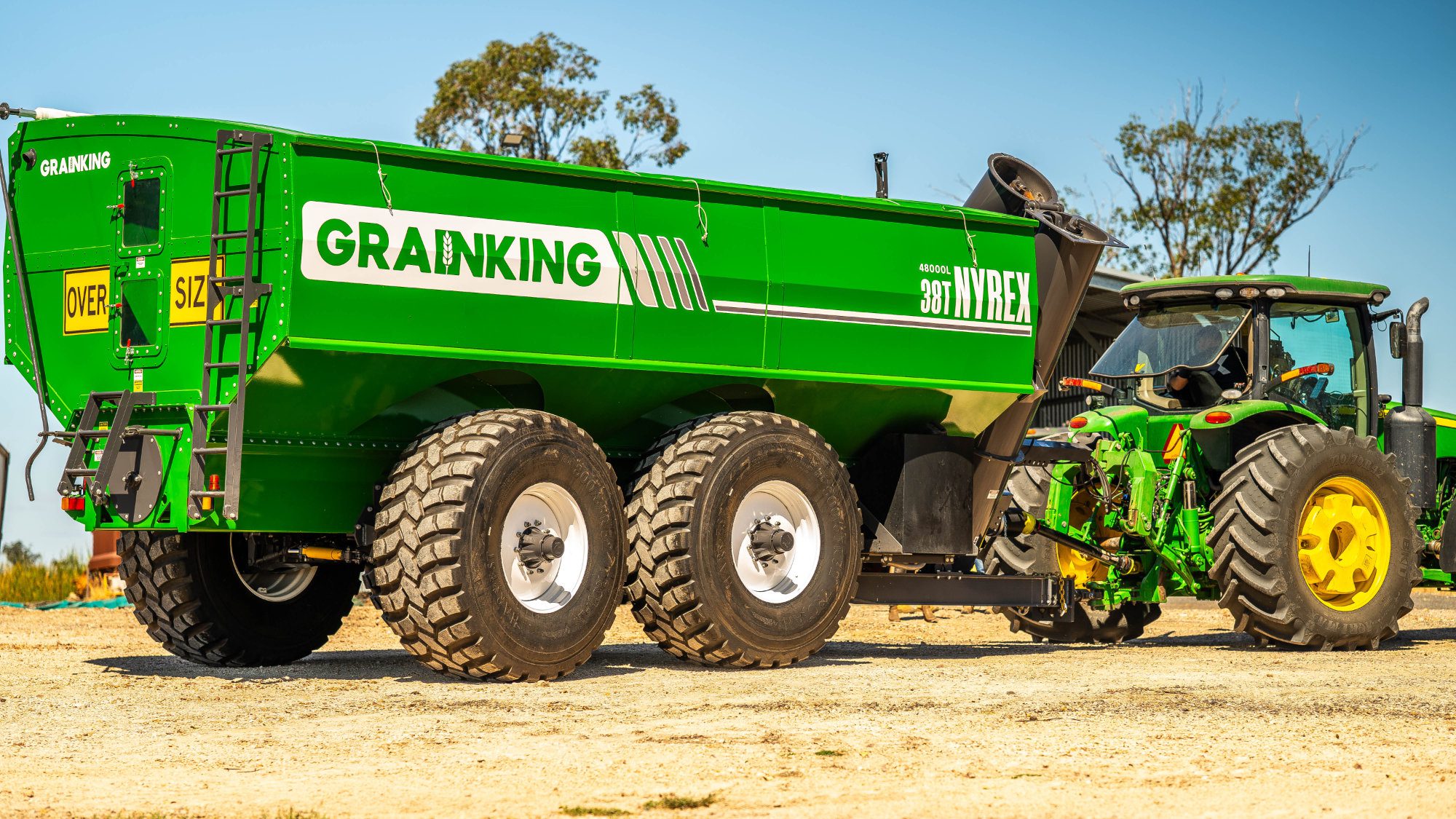
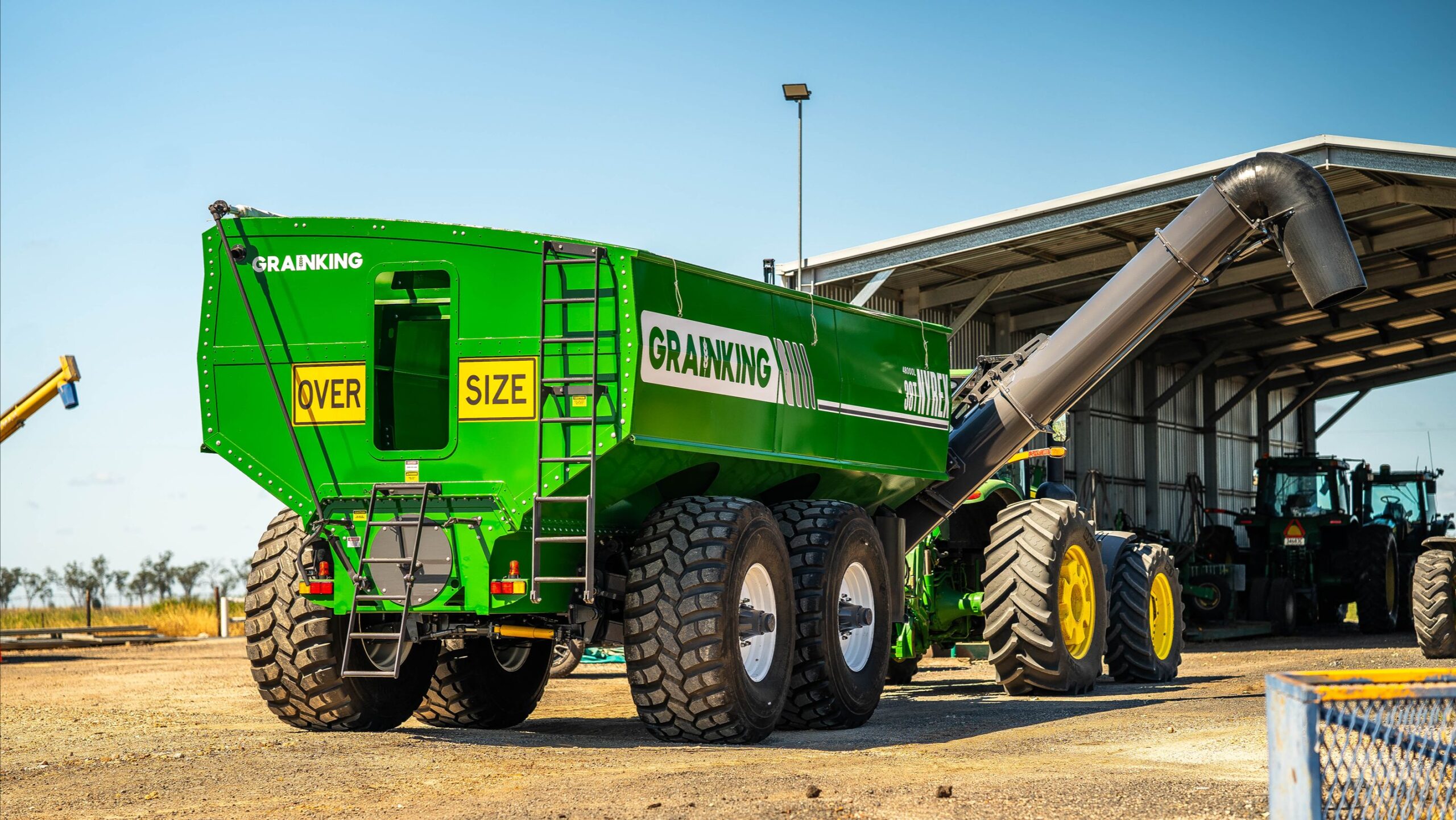
A grouper bin — also known as a seed bin, a super bin, or a 5-in-1 bin — is a bulk handling system that comes with multiple compartments. Each compartment holds different inputs: seeds, fertilisers, inoculants, and other granular products.
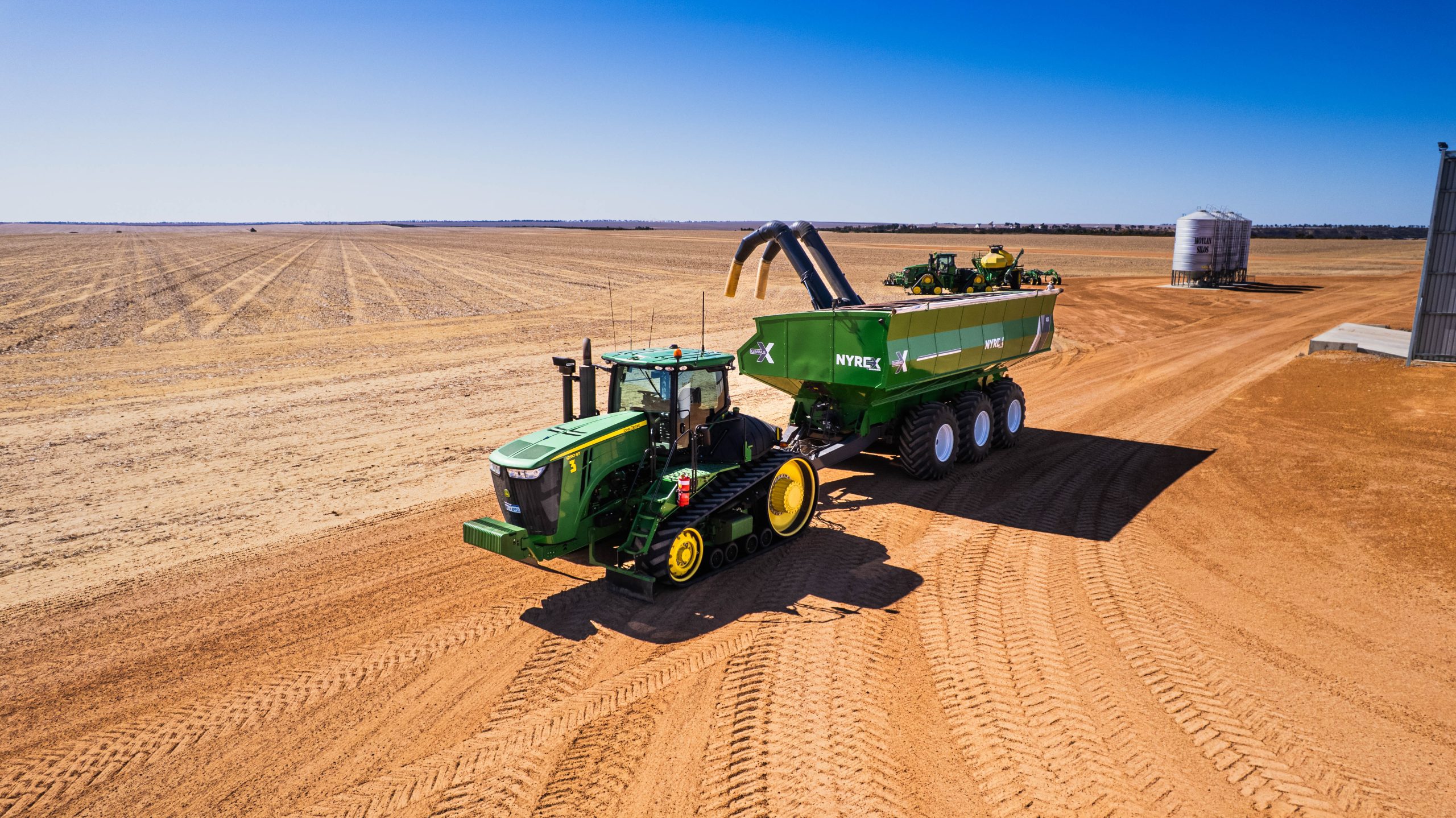
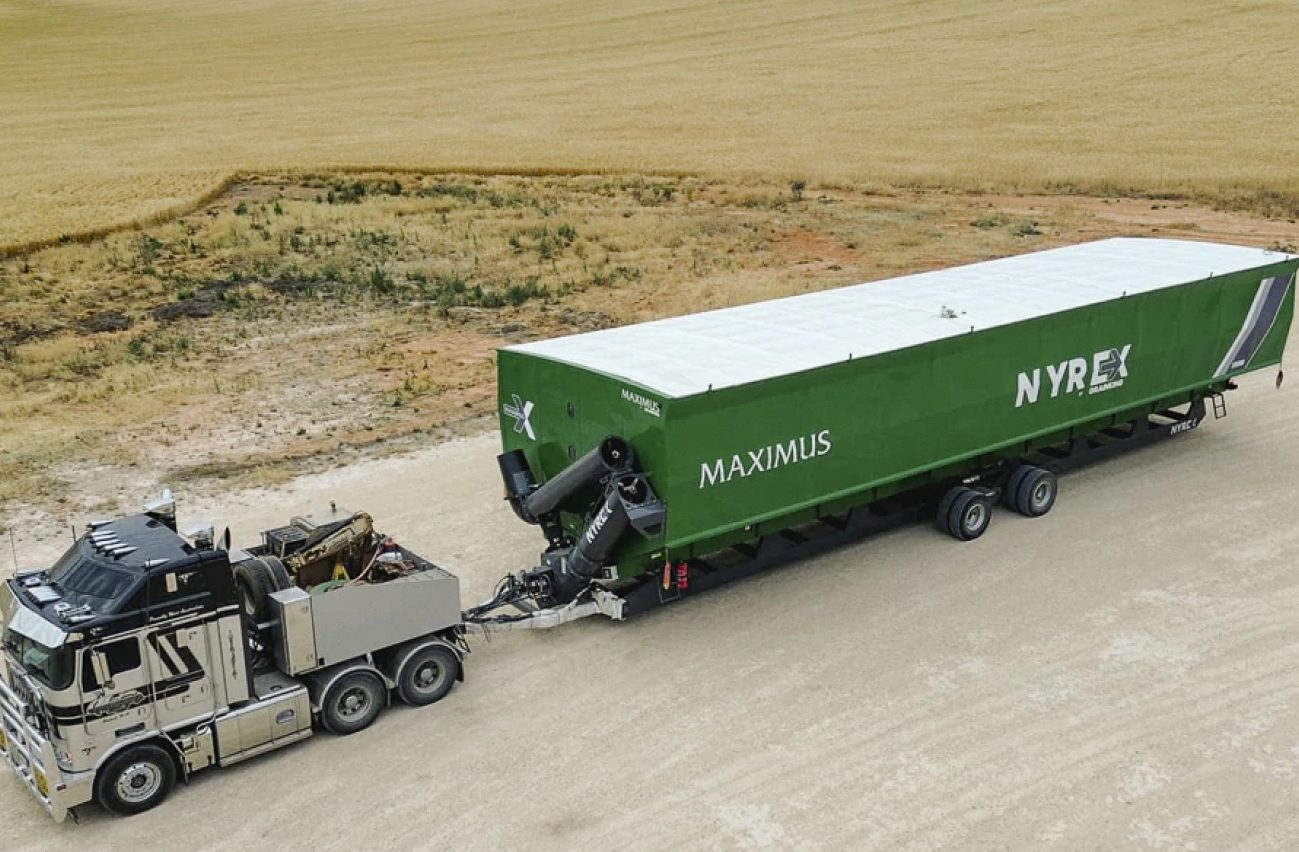
Here’s how it works: The bin sits on a trailer, or a mounting frame, or on a set of braked axles. It feeds your air seeder through hydraulic augers or conveyor systems. With a grouper bin, you can unload all compartments at once or control each one separately. Most modern units feature remote operation, so you can manage the entire refill process from outside the cab.
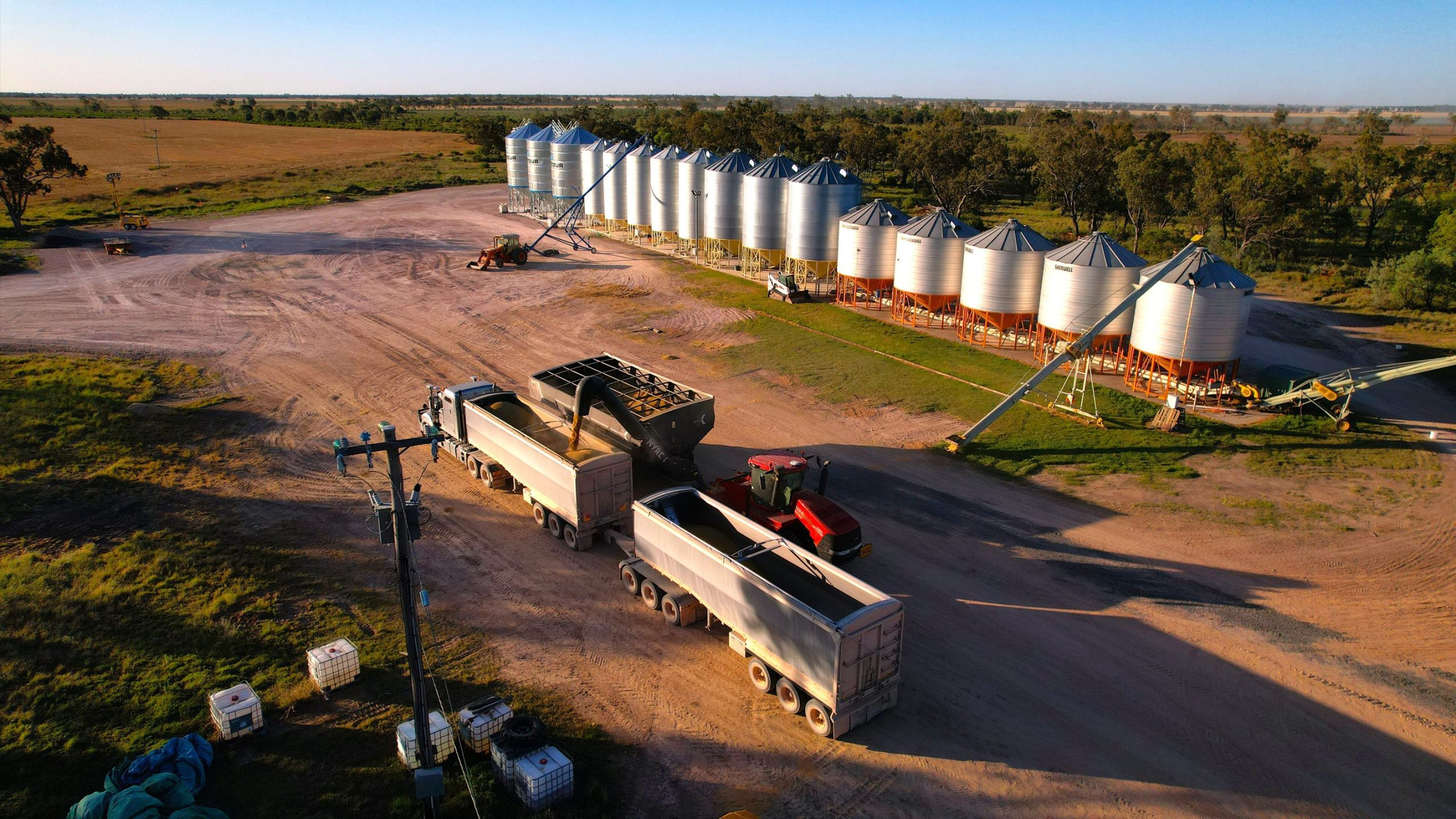
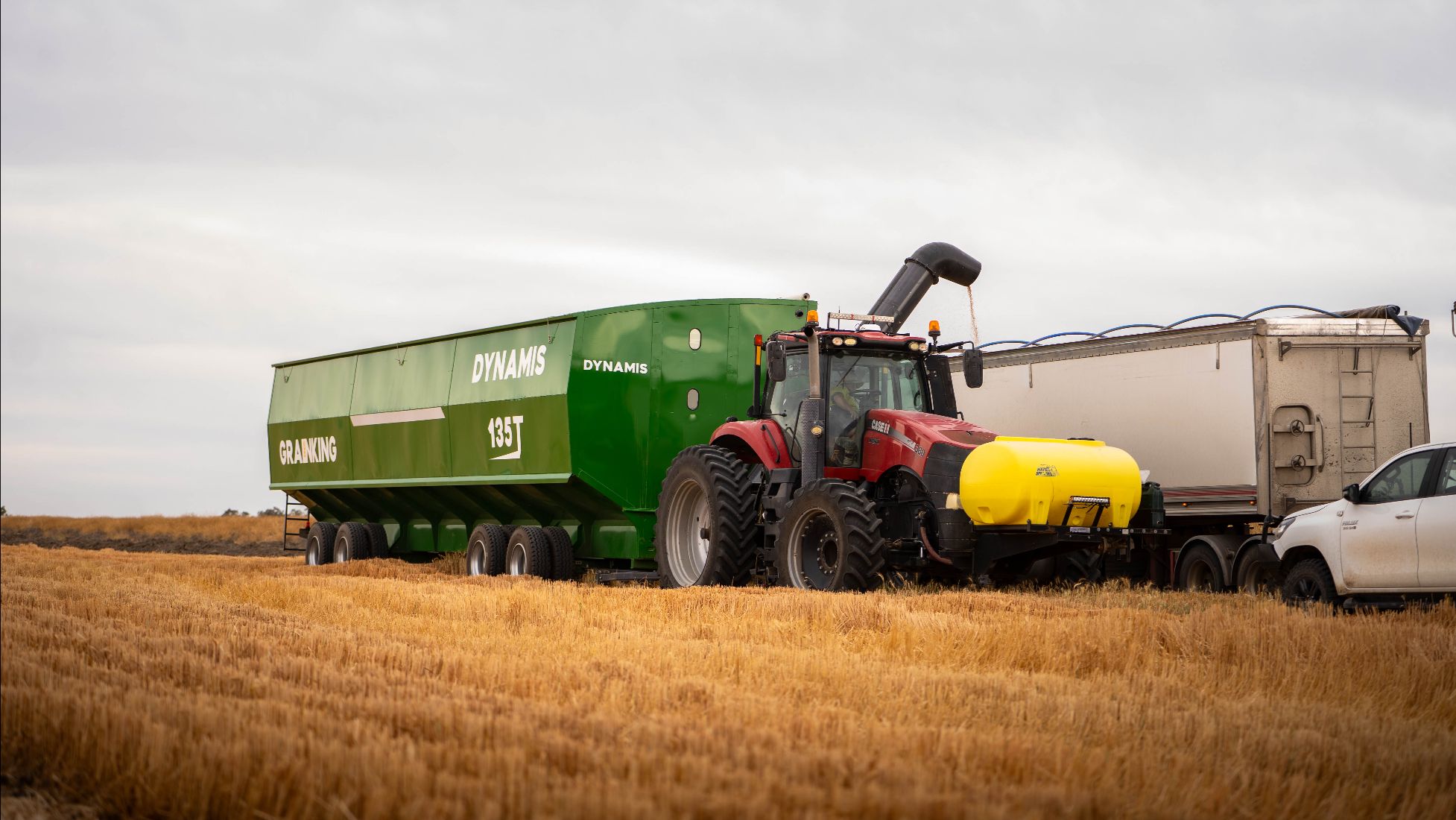
The setup works with your existing air seeder. Just park the grouper bin next to your machine, position the augers or conveyor, and start filling it in. The system pumps product directly into your seeder’s tanks. No manual shovelling, no bags you need to lift. In short, it’s a plug-and-play refill system that keeps your air seeder running, so you spend less time handling product and more time putting seed in the ground.
Why Sowing Efficiency Matters in Australian Farming

Australian grain growers face tight sowing windows. Planting dates determine whether your crop flowers during the optimal time period or faces frost, heat, or moisture stress later in the season.
Research from GRDC shows that delayed sowing past the optimum date reduces wheat yields significantly. Every week you lose during sowing season translates to lost potential revenues at harvest.
Logistics also play a major role in this. If you are running multiple trucks back and forth to refill a single air seeder, you are burning fuel, expending labour hours, and creating bottlenecks. The math is simple: less downtime means more hectares can be sown per day.
Grouper bins cut through these logistics problems. Instead of multiple truck runs or waiting for tippers to position and unload, you park one bin beside your air seeder and fill continuously. They save you time on each refill, time that adds up across the season. The sowing efficiency it delivers means it’s easier to get your crop in during the optimal period, which protects your yield potential from the start. Using the right size Seed & Super bin, GrainKing customers report they only need to fill the bin once per day to keep their aircarts full for a 16 hour shift.
The Top Benefits of Using Grouper Bins
- Faster Seeder Refill Times
Grouper bins speed up unload times up to 3-4 tonnes per minute during seeding season, GrainKing’s Seed & Super bin is capable of much more when needed during harvest. Some manufacturers also report fill times to go as low as 8 minutes for a complete seeder load. Traditional filling and unloading methods are comparatively slower because they require multiple steps. It’s even slower for seeds that are bagged or carried from a ute.A grouper bin does it faster because it sits right beside your air seeder and pumps product continuously. The hydraulic augers or conveyors maintain consistent flow rates. Meaning, you fill up faster, return to the paddock sooner, and keep your sowing schedule on track.The time savings you get from using grouper bins compound over a season.
During a seeding in Kimba, SA, one GrainKing customer reported loading times going from up to an hour down to 15 minutes when switching from trucks to a GrainKing Seed & Super unit. If you can save 20 – 30 minutes per refill, and you refill five times a day, that is over 2 hours gained. Over a few weeks, that’s enough to cover dozens of additional hectares within the optimal window. - Accurate Seed & Fertiliser Blending
Precision matters when you are putting seed and fertiliser in the ground. Too much fertiliser burns your crop, and too little fertiliser cuts down your potential. When you use incorrect product ratios, you get even less. Grouper bins solve the blending problem through compartment control. Here’s how it works: Each section holds a different product. The augers or conveyors deliver at set rates, which you can adjust with hydraulic controls or electronic systems. You can run seed in one compartment, granular fertiliser in another, and inoculant in a third. The system keeps them separated as they flow into your air seeder, and you get consistent ratios across every tank load with zero contamination.This accuracy improves your crop establishment. Proper fertiliser placement and seed spacing lead to better germination and stronger establishment, turning into higher yields and better returns at harvest. - Safer Bulk Handling Operations
Farm safety regulations exist for good reason. Tipping trucks in paddocks create rollover risks, especially on uneven or wet ground. SafeWork has issued specific alerts about tailgate hazards on tippers, including sudden material release and engulfment risks.Grouper bins eliminate these hazard risks. When your trailer stays level, there’s no tipping mechanism, no elevated loads, and no one is working under raised equipment. And if you’re using modern grouper bins, you can rest easier knowing they have safety features like remote controls, hydraulic actuator lifts, and automated lid systems. You operate everything from a safe distance. Remote operation is also already standard on most units. You can start, stop, and control flow rates from 50 metres away or more. That distance keeps you clear of moving parts and eliminates the need to climb on equipment during operation. - Flexible Configuration for Different Crops
If you’re growing more than one crop, you’ll know that your seeds and fertilisers need changing between cereals, pulses, and canola. A grouper bin can adapt to your ideal rotation. Many grouper bin manufacturers offer two, three, four, or six-compartment configurations. Compartment sizes can also be customised. Meaning, if ever you need to run a 70/30 split for one crop, you can switch to 25/25/50 for another. This flexibility extends to product types as well. Wheat, barley, chickpeas, canola, and different fertiliser blends all work in the same bin. You are not locked into one setup for the entire season.This versatility matters when weather or market conditions force cropping changes. If you decide to increase your pulse area or try a new variety, your grouper bin handles it without much modifications. - Reduced Labour & Operating Costs
Sowing usually takes a crew; one on the seeder, one driving trucks, and another handling seed at the shed. With a grouper bin, one operator can do it all. Remote controls let you position, refill, and monitor the bin directly from the cab — no second driver needed.The labour savings add up fast. If you can eliminate one person from your sowing crew for three weeks, you save a lot on wages. The reduction in vehicle movements also cuts down your fuel consumption.Fewer trucks moving between paddocks and sheds means less wear on tyres, which means lower maintenance costs, and reduced downtime from breakdowns. These savings add up across the season.
What to Look for in a Quality Grouper Bin

Not all grouper bins deliver the same performance. Here are some features to look for if you’re in the market for a high-quality grouper bin.
- Hydraulic augers with stainless steel construction. Stainless steel augers last longer and resist corrosion from fertilisers. Eight-inch diameter augers are standard for good flow rates, GrainKing Seed & Super units come standard with 18″ augers to suit seeding and harvest unload speed requirements.
- Individual hydraulic circuits for each auger. This means that each compartment is operational on it’s own to ensure their is no contamination during seeding. This ensures that all augers rotate at the same speed regardless of product type. Heavy-duty hinges and proper guarding protect moving parts.
- Remote control systems. Technical upgrades include fill level sensors, jam detection, and remote operation up to 50 metres or more.
- Quality undercarriage construction. Solid chassis and frame that won’t buckle under load during farm travel must be standard on grouper bins. Look for 75x50x2.5mm RHS steel frames minimum. The bin body should use 3mm sheeting or better.
When choosing between 3-bin and 5-bin models, consider your cropping program. More compartments can give you flexibility but will add weight and complexity. Match the configuration to your actual needs rather than buying maximum capacity.
Transport and maintenance matter too. Ask yourself: Can the unit travel on roads legally? Are spare parts available locally? Does your dealer offer service support during the sowing season? Knowing the answers to these questions will make your decision that much clearer.
Where to Find a Grouper Bin for Sale in Australia
When you’re shopping for a grouper bin, start by defining exactly what you need. Calculate your typical load sizes, product types, and daily refill frequency. This will help determine what size and configuration you actually need.
If available, it’s ideal to ask your dealer about demonstrations. Seeing a unit operate in field conditions will tell you more than specifications on paper. GrainKing offers no-obligation demos that let you size up and evaluate farming equipment on your own site.
Check warranty coverage and service agreements too. Sowing season is the worst time to be blindsided by parts unavailability. Verify that the manufacturer maintains stock in Australia and has a dealer network that can respond fast.
Maximise Your Next Sowing Season

Grouper bins deliver three core benefits: speed, accuracy, and safety. You fill your air seeder faster, apply inputs more precisely, and eliminate hazardous practices like tipping trucks in paddocks.
The investment pays itself back through reduced labour costs, lower fuel consumption, and increased hectares sown per day. In a tight sowing window, that efficiency translates directly to better crop performance and higher yields. And to cover all your bases, you’d want to spend your money on Australian-made bins that are built specifically for local conditions.
If you are running an air seeder on more than 500 hectares, a grouper bin will change how you approach the sowing season. The question you should ask yourself isn’t whether the technology works. It’s whether you can afford to keep losing time with your current system.
Ready to take control of the sowing season?
Speak directly with the GrainKing team and get expert advice on the grouper bins that work best for your farm. Book your free demonstration here.