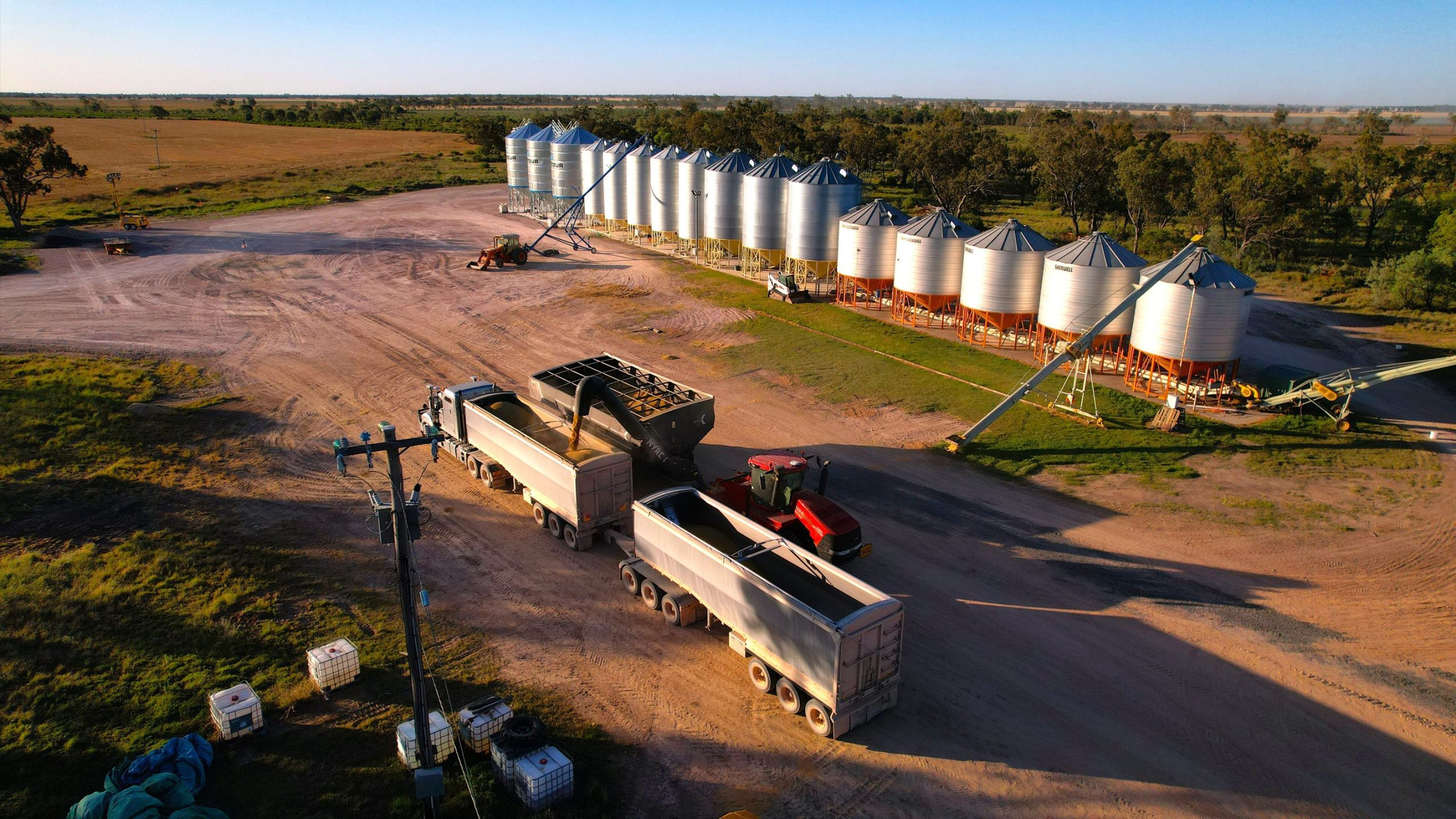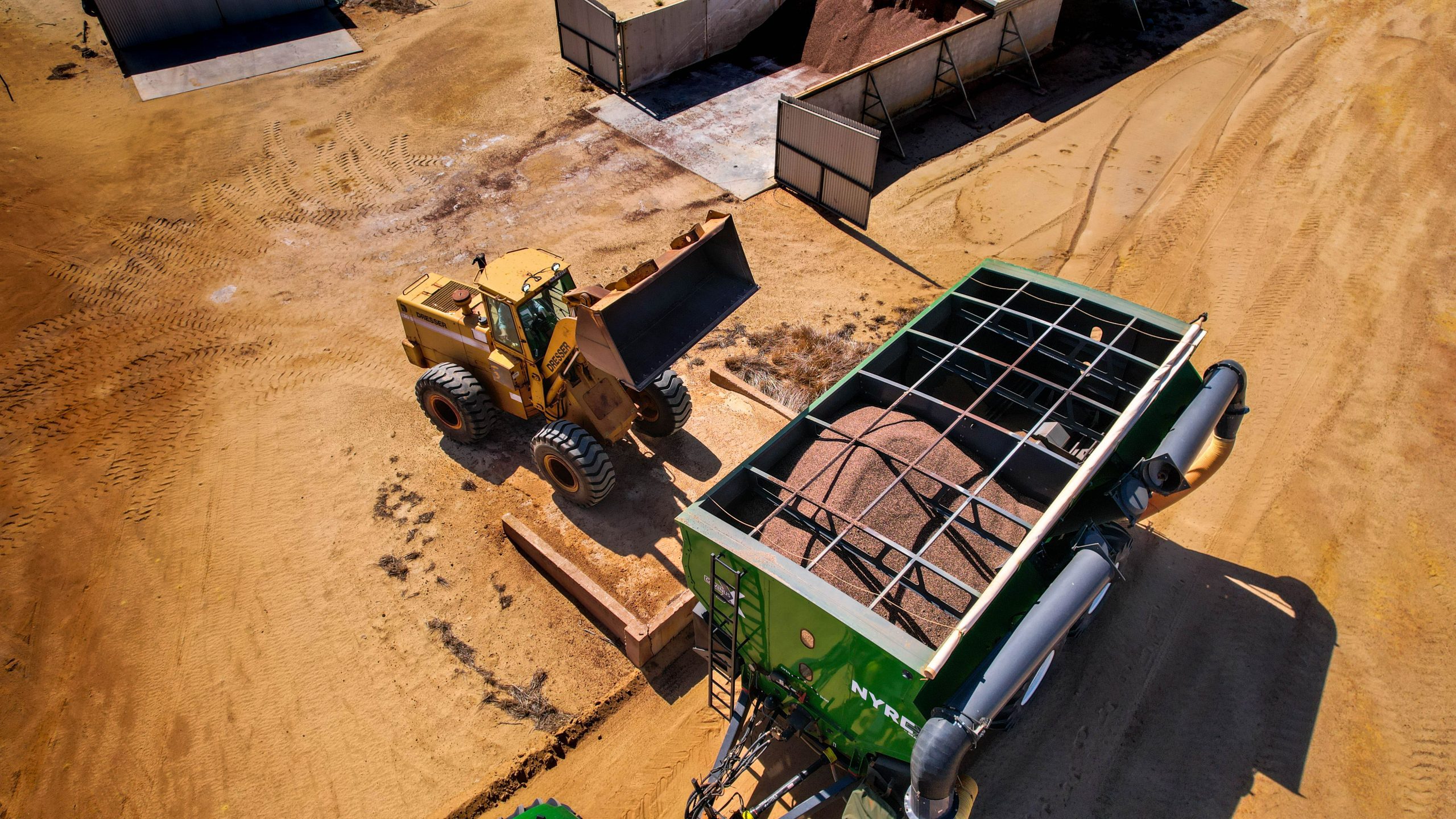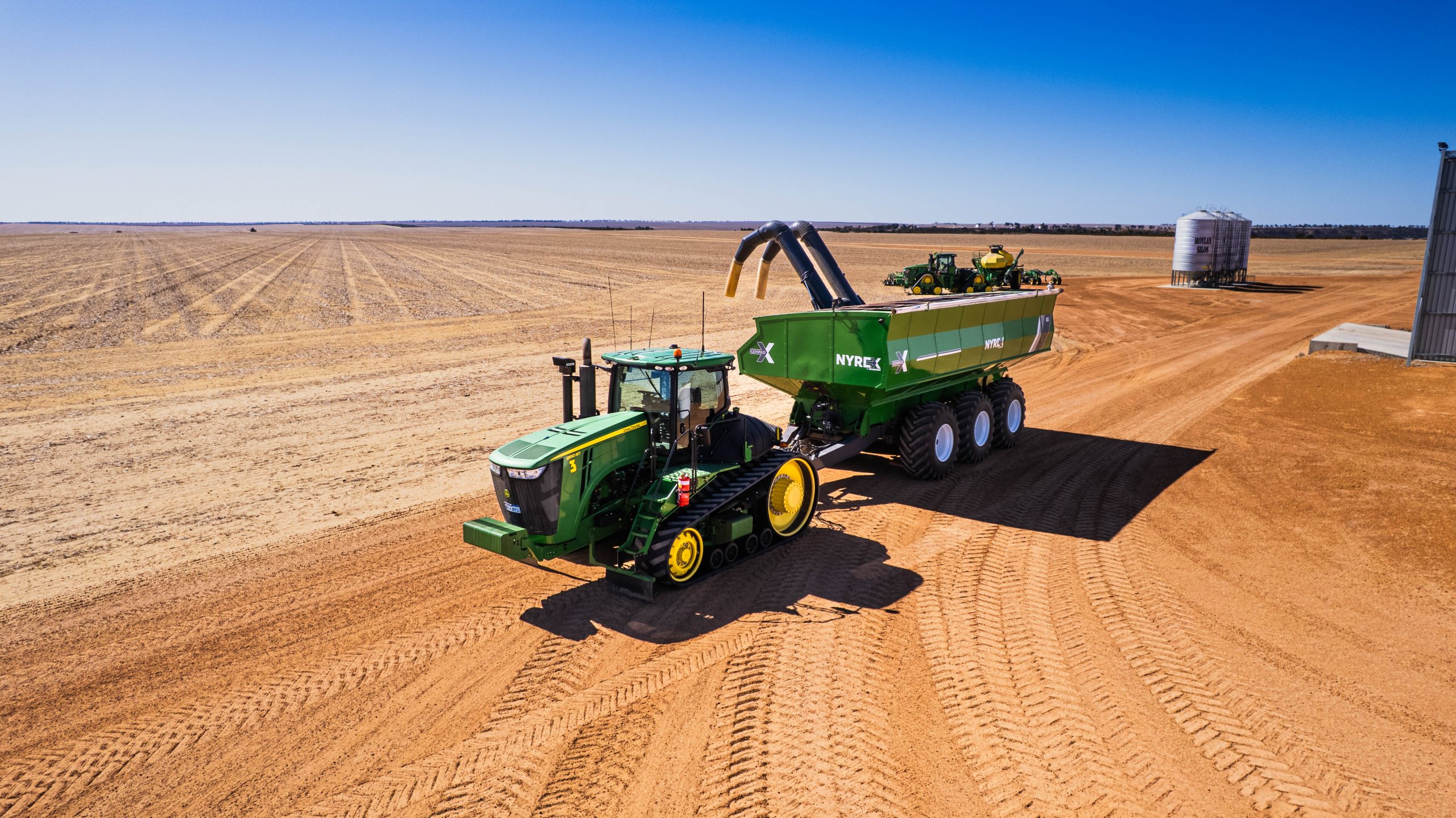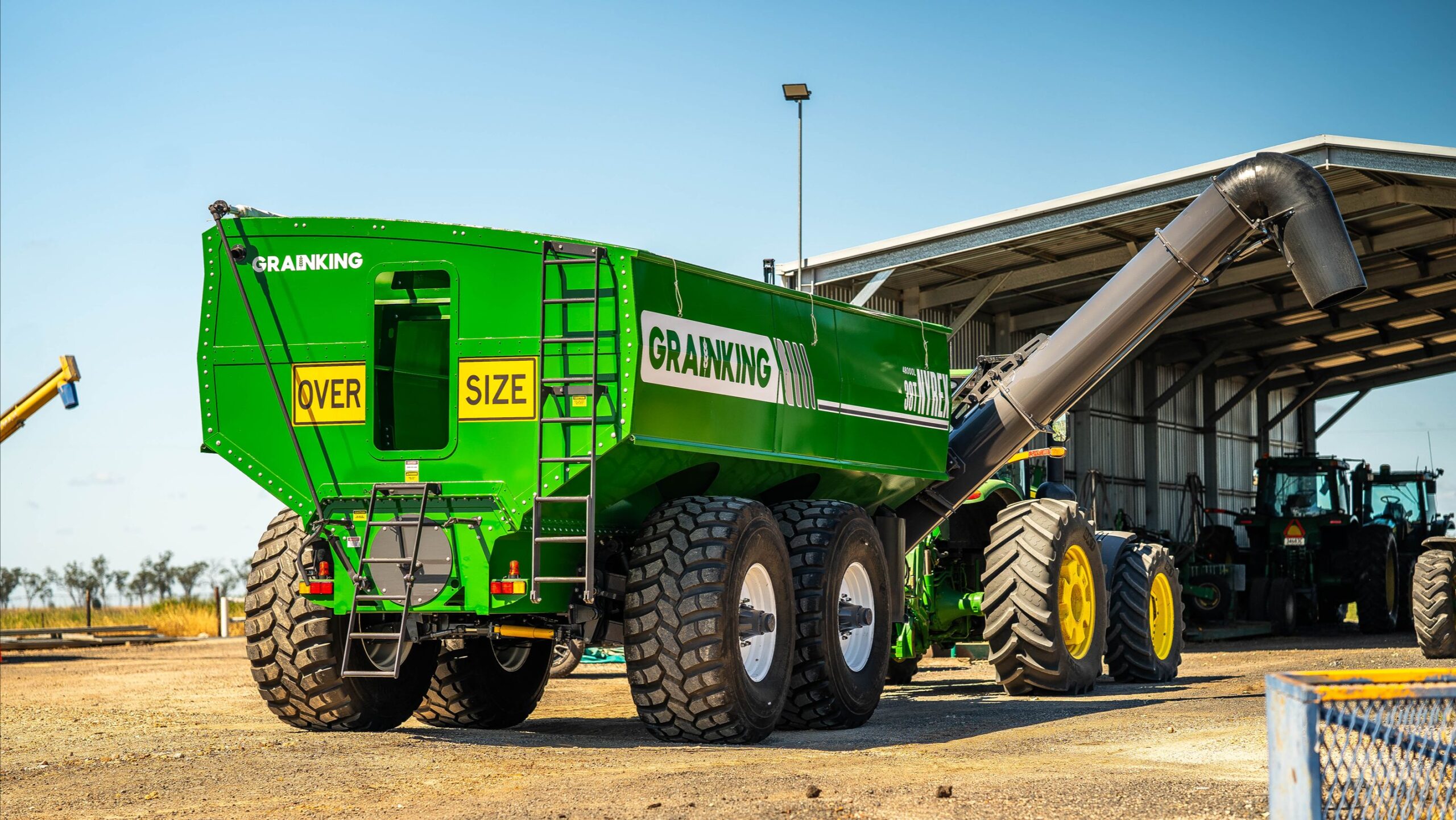
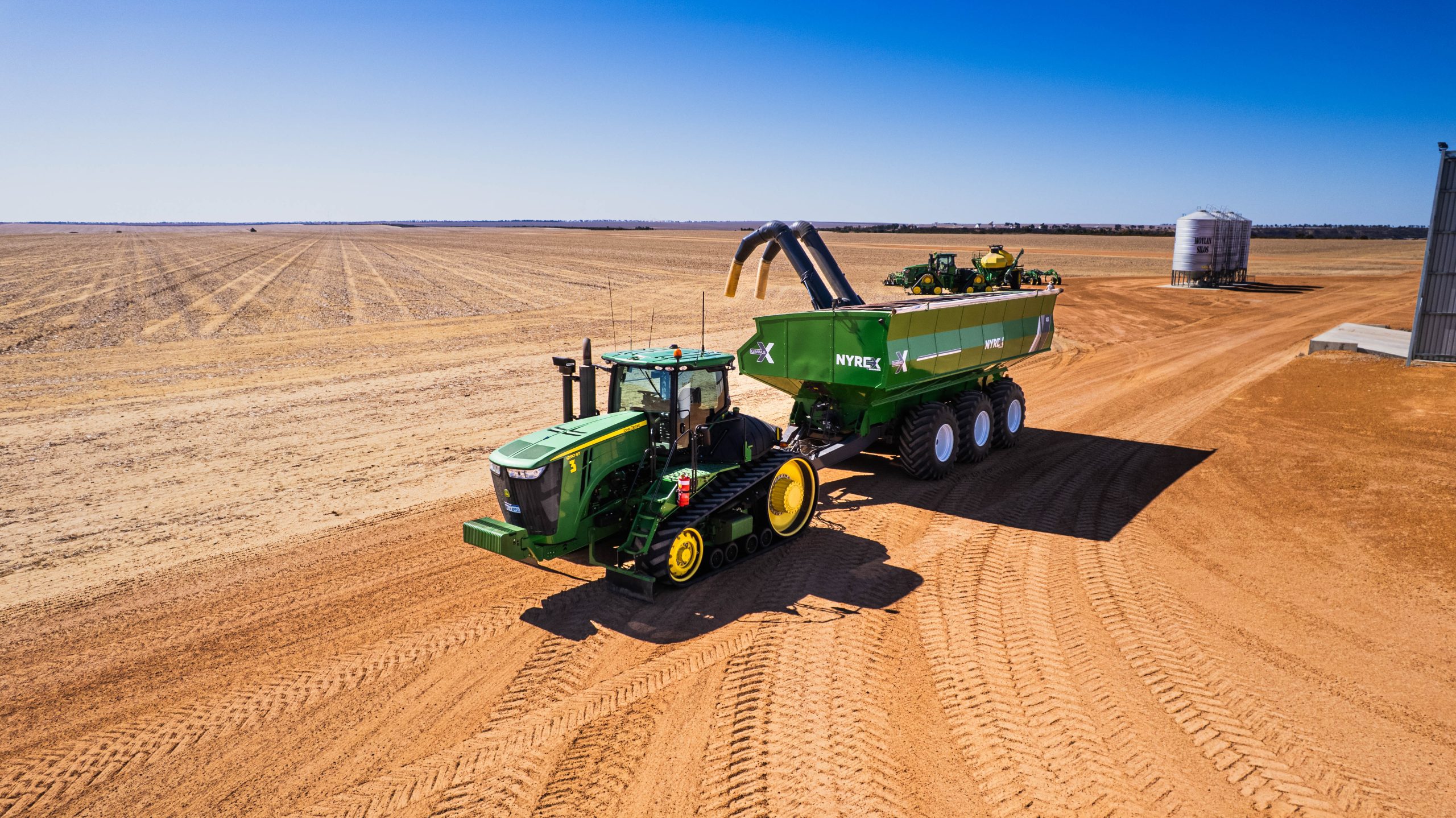
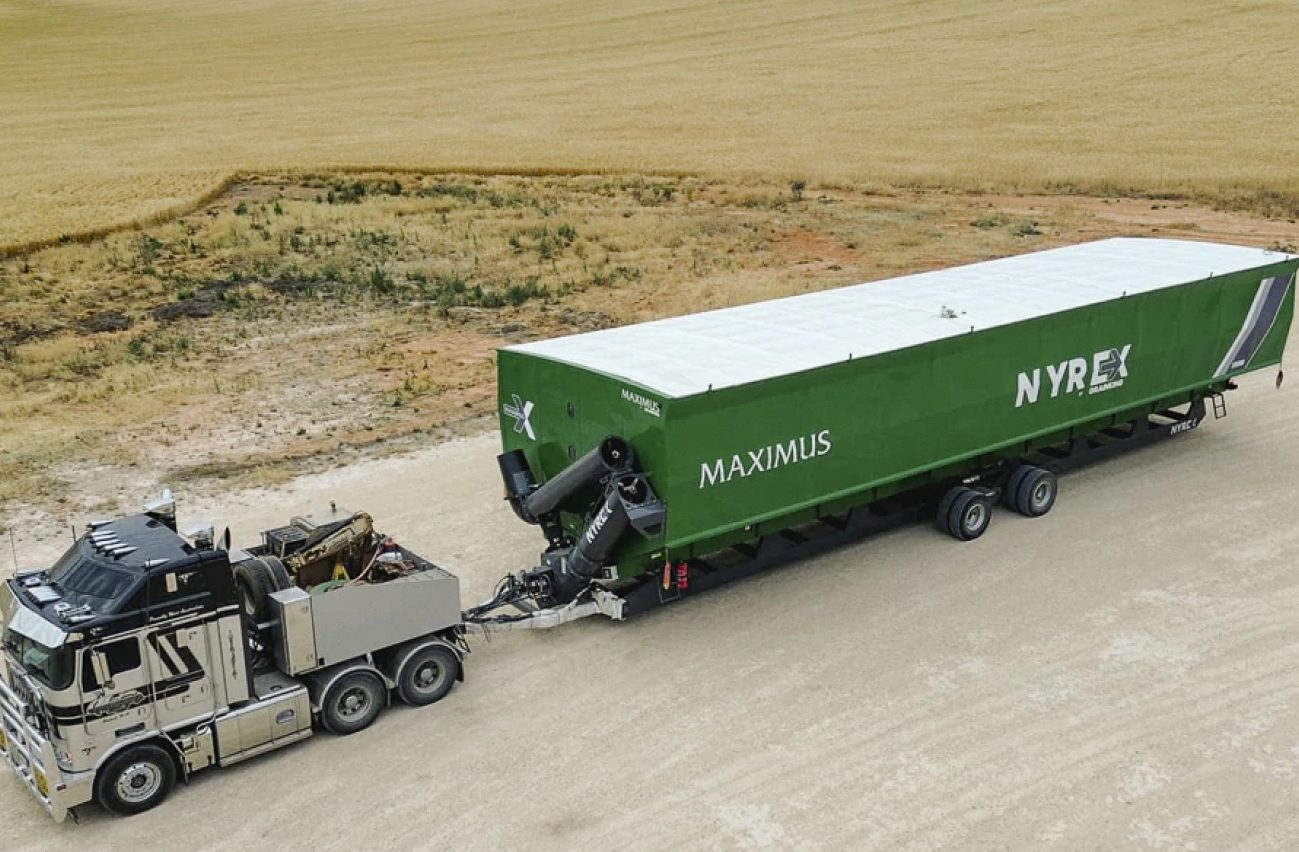
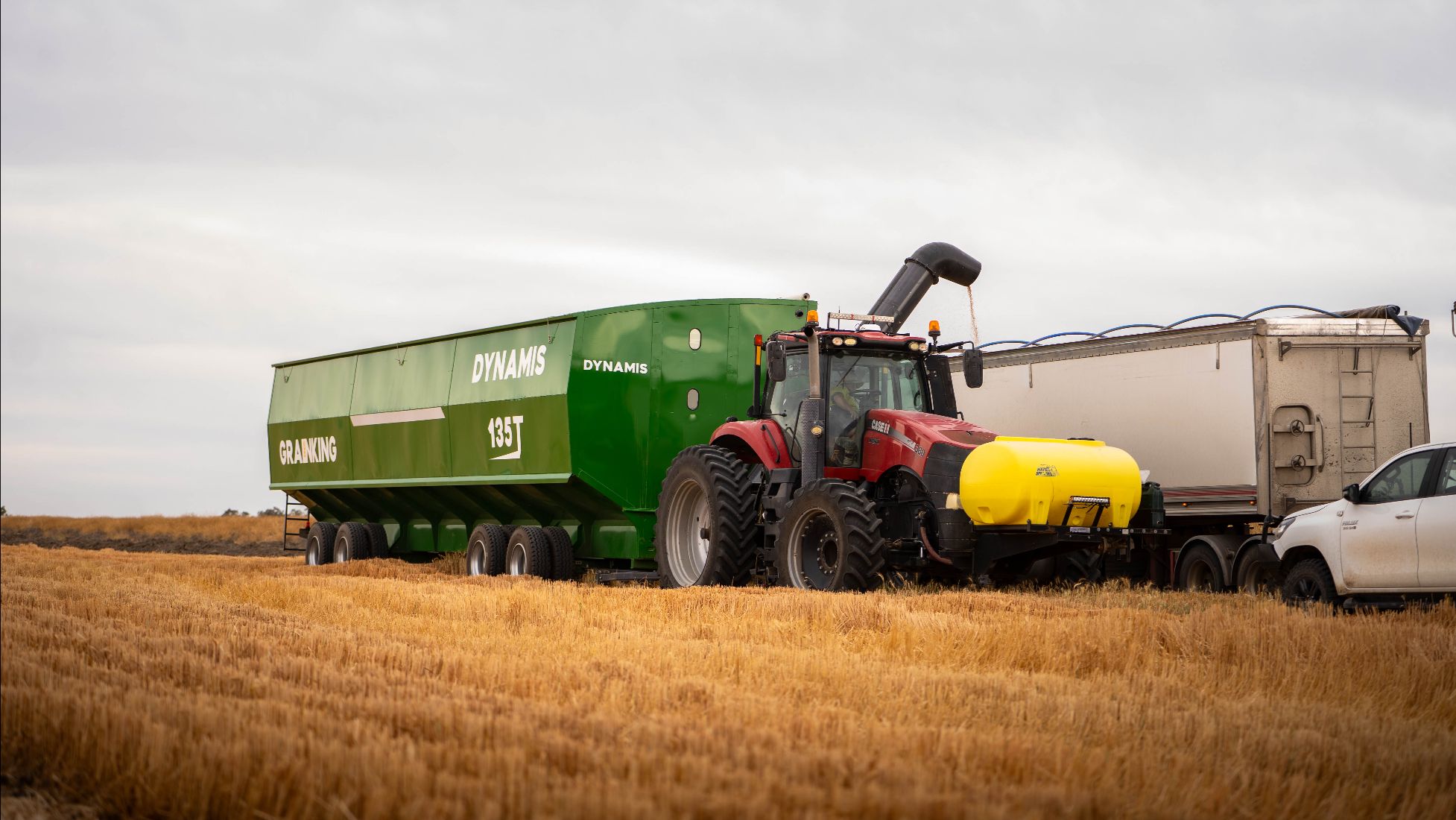
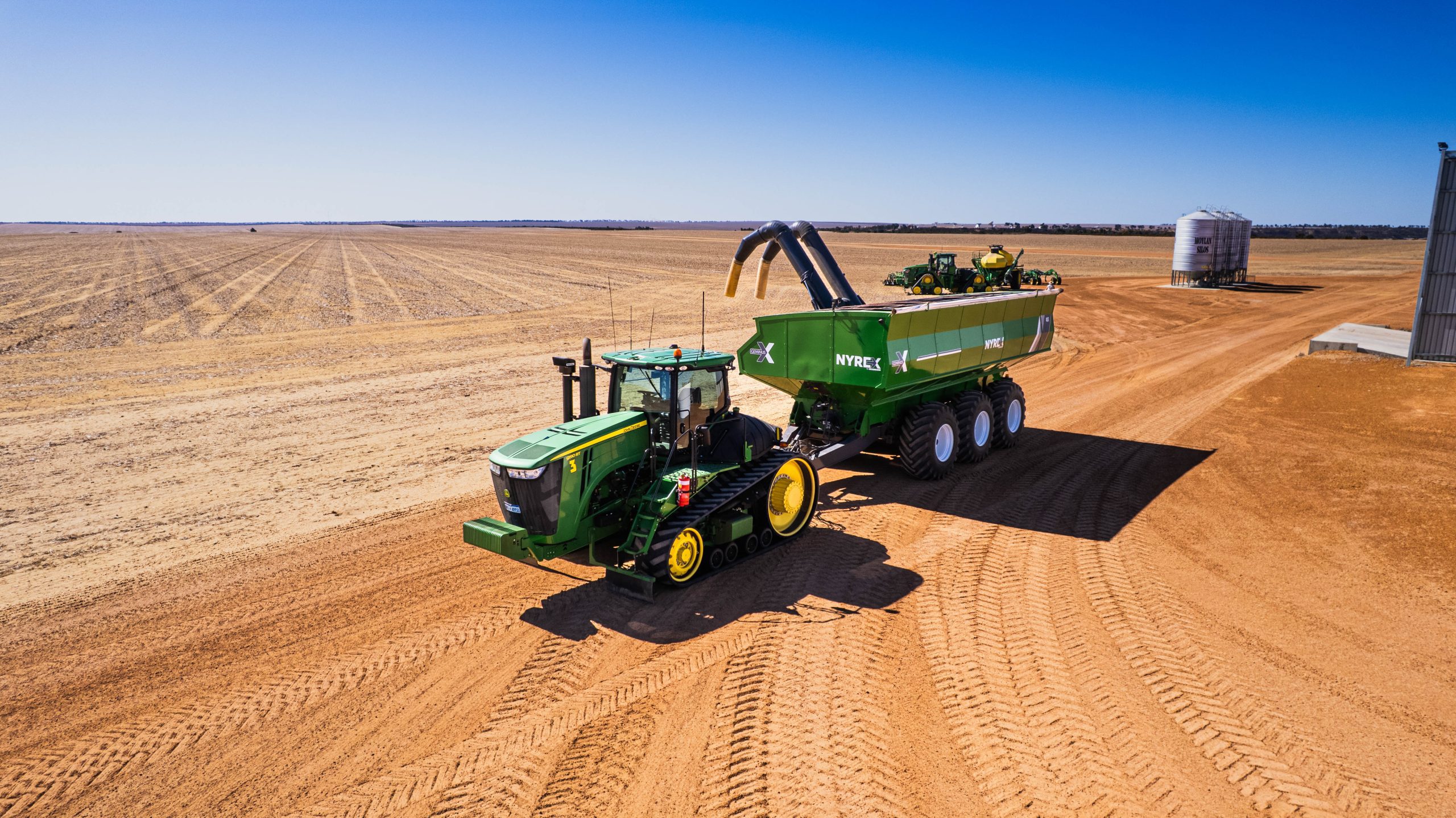
During sowing, a seed and super bin can handle two very different materials, sometimes on the same day.
Seed needs to stay dry, clean and protected from contamination. Bulk fertiliser, meanwhile, has a different set of demands. Products such as urea and ammonium sulphate can attract moisture, cake in storage and corrode materials that aren’t suited to fertiliser contact.
That makes the bin such an important part of fertiliser management.
This guide covers what matters when storing and handling bulk fertiliser on a farm, from corrosion and moisture control to loading, unloading and choosing a seed and super bin built for both seed and fertiliser.
Why On-Farm Fertiliser Storage Matters in Australian Broadacre Farming
Fertiliser is one of the largest variable input costs across many broadacre cropping programmes.
For growers through the WA, SA and Victorian wheat belts, having fertiliser available on farm can reduce reliance on just-in-time deliveries during one of the busiest parts of the season. It also gives you the option to take delivery earlier when supply and pricing conditions suit your operation.
Timing matters just as much as price.
Sowing windows can be tight, and delays waiting for fertiliser can affect an entire programme. On-farm storage gives you more control over when product arrives and when it moves to the paddock. The storage still has to suit the product.
Australian farming conditions can be hard on both fertiliser and equipment. Humidity, temperature changes and coastal salt air can all affect fertiliser quality and the bin holding it. If moisture gets in or the internal surfaces aren’t suited to fertiliser, the convenience of storing on farm can quickly turn into caking, poor flow or corrosion.
Protecting the fertiliser means protecting the equipment around it too.
Key Challenges in Bulk Fertiliser Handling and Storage
Fertiliser asks different things of a bin than grain does.
Corrosion
Urea and ammonium sulphate can be aggressive on mild steel, particularly when moisture is present.
That makes the bin’s construction and internal protection important. Steel quality, wall thickness and a coating designed for fertiliser contact all contribute to how well the bin stands up over repeated seasons.
A bin that is used regularly for fertiliser needs to be designed with that exposure in mind.
Moisture and caking
Granular fertiliser readily absorbs moisture from its surrounding environment.
Once moisture gets into the product, granules can start clumping together. That can create lumps, dust and bridging around the discharge area, all of which make consistent flow harder to maintain.
Good sealing helps limit moisture entering through rain or condensation cycles. Ventilation also plays a role in managing the conditions inside the bin.
For a sowing programme built around reliable product flow, keeping fertiliser dry is a practical requirement.
Cross-contamination
A seed and super bin may move from fertiliser to seed, or between different products, throughout the season.
Residue left behind can contaminate the next load, so clean-out needs to be straightforward and thorough.
That includes inspecting the bin, removing remaining product and flushing augers before switching from fertiliser back to seed.
The cleaner the changeover, the easier it is to protect the next load.
Temperature
Nitrogen-based fertilisers also require sensible temperature management.
Yara advises storing fertiliser between 5°C and 30°C with adequate ventilation to help dissipate heat. Nitrogen fertilisers containing nitrates can decompose when exposed to high temperatures, potentially releasing toxic nitrogen oxides at around 150°C.
Roof design, ventilation and where the bin is positioned all contribute to keeping storage conditions under control.
Environmental protection
Spills and runoff also need to be considered when storing fertiliser on the farm.
Good storage and handling should help keep fertiliser contained through filling, storage and unloading. Always follow product labels, safety data sheets and guidance from the relevant authority for the fertiliser you’re handling.
What to Look for in a Seed and Super Bin for Fertiliser Handling
A fertiliser-capable bin must protect the product while withstanding repeated contact with it.
Start with corrosion resistance.
Look for a bin built from high-tensile steel with an internal coating suitable for fertiliser contact. Bare mild steel isn’t designed for the same exposure and can deteriorate when used regularly with corrosive fertilisers.
Moisture protection matters next.
A properly sealed roof or tarp system helps keep rain out and reduces moisture entering the load. This is especially important for urea and blended granular fertilisers, which can cake when storage conditions become damp.
Ventilation should also suit the products you’re storing and the conditions you’re storing them in.
Then look at how the product moves through the bin.
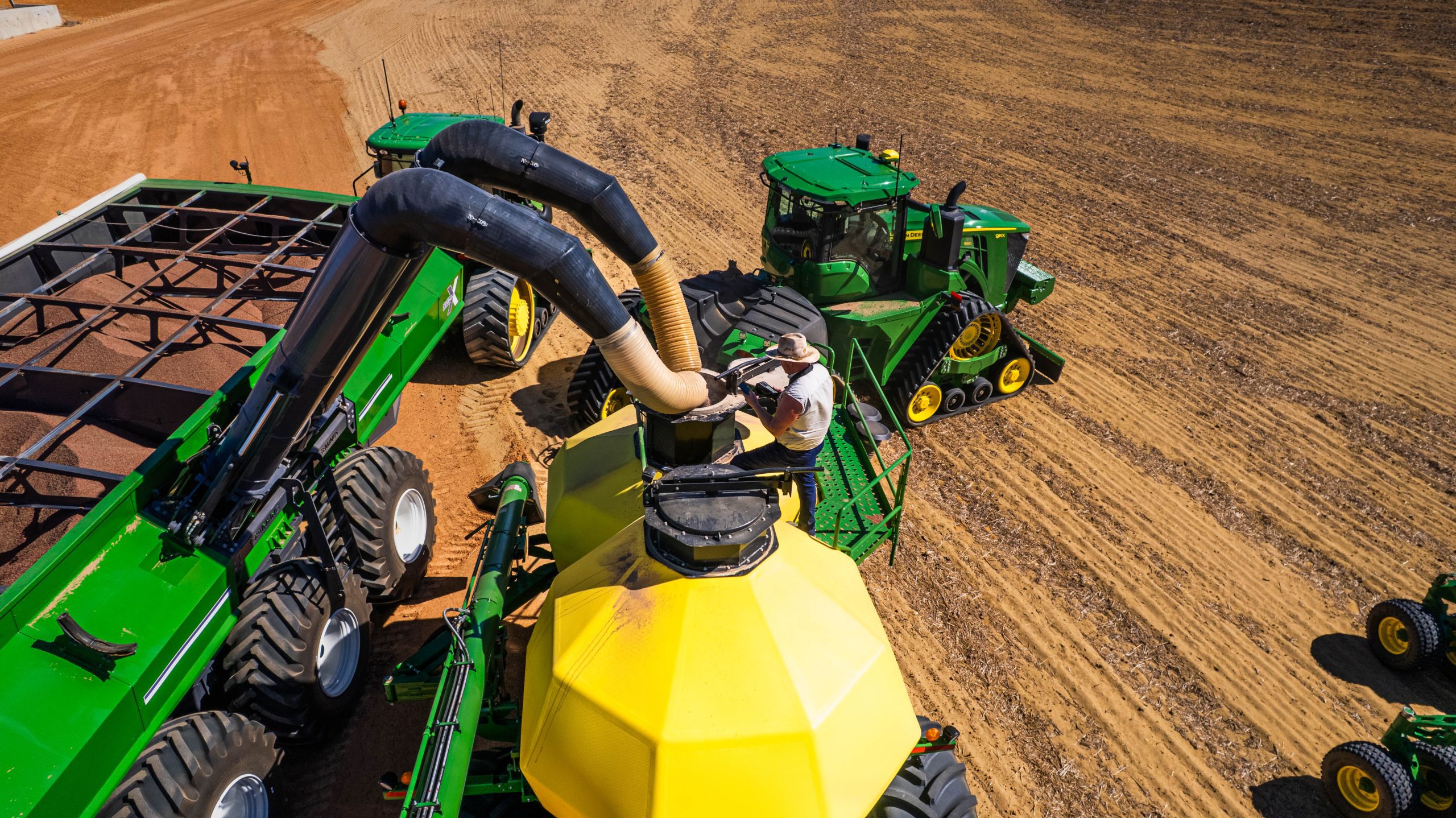
Bulk fertiliser may arrive via a truck-mounted auger or blower, so the filling arrangement needs to suit both the product and your delivery setup. Inlet position, chute angle and fill capacity all affect how efficiently you can get fertiliser into storage.
Unloading has the same importance during sowing.
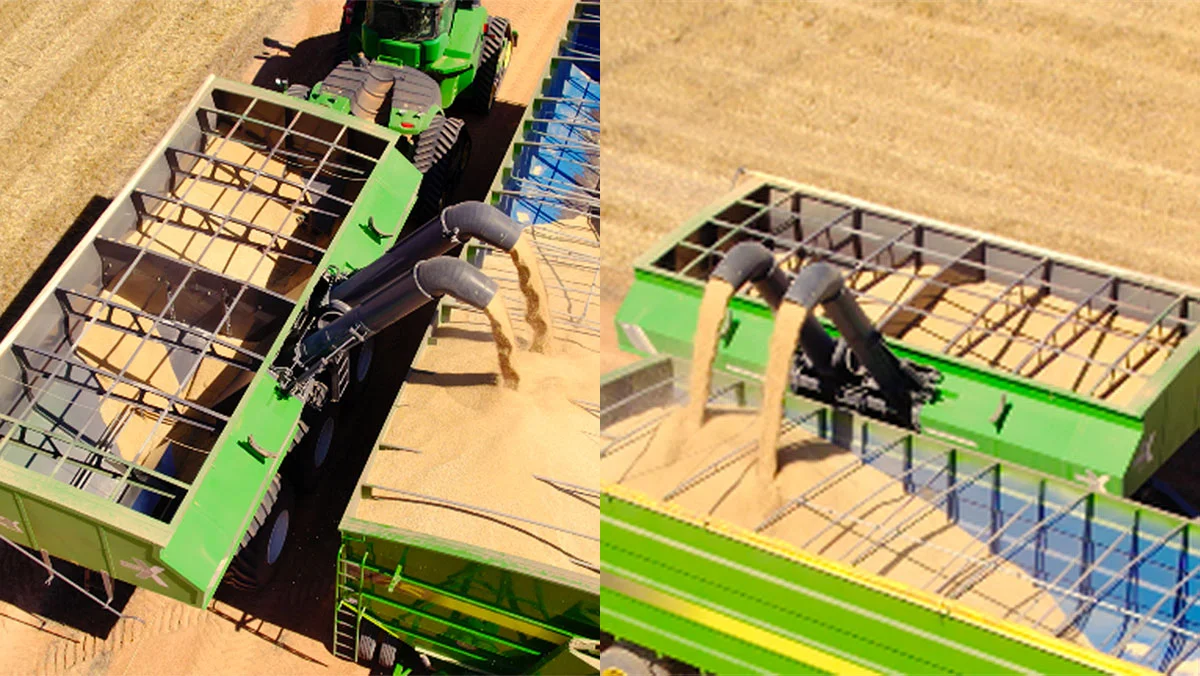
The auger system needs to move enough product to keep up with your spreading or seeding equipment. A large-capacity bin saves little time if load-out becomes the bottleneck.
Capacity should reflect how your farm works rather than simply choosing the biggest bin available.
For larger broadacre operations, configurations between 25 and 60 tonnes allow growers to match storage to sowing demand, paddock logistics and the amount of product they want available between fills.
Safe Handling Practices for Bulk Fertiliser on Farm
The product label and safety data sheet should guide the specific requirements for every fertiliser you handle.
On farm, a few practical habits support safer storage and cleaner changeovers.
Use the PPE specified for urea, ammonium sulphate and nitrate-based fertilisers, and follow the handling instructions supplied with the product.
Keep fertiliser separate from incompatible materials.
Yara advises keeping incompatible products well apart, including urea and ammonium nitrate-based fertilisers. Fertiliser should also be kept away from pesticides, fuels, organic material and other products that could create a contamination or safety risk.
Yara also recommends keeping at least five metres between fertiliser and flammable materials.
Your emergency procedures should cover spills and the specific risks associated with the products stored on the farm, particularly those involving ammonium nitrate.
When switching a seed and super bin between uses, clean-out deserves the same attention.
Flush the auger, inspect the compartments and remove remaining fertiliser before loading seed. A small amount of residue can become a much bigger problem once the next product goes in.
For detailed requirements around storage, containment and handling, refer to the product documentation and guidance from DAFF or the relevant authority in your state.
GrainKing Geminus Seed and Super Bins for Bulk Fertiliser Storage
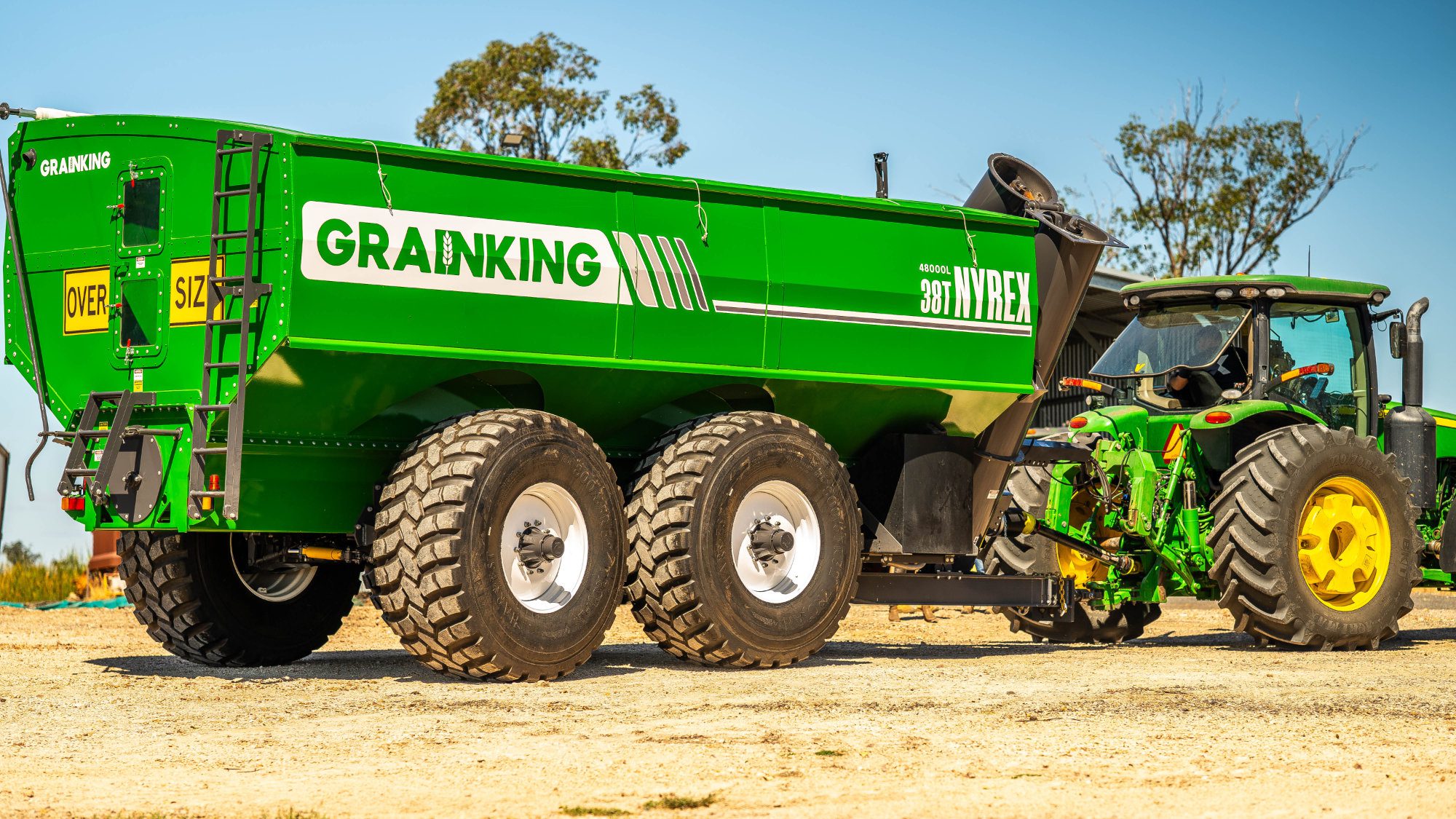
The GrainKing Geminus range is designed and manufactured in Australia for dual seed and fertiliser handling.
Available in 25, 35, 45 and 60 tonne configurations, Geminus bins use sealed compartments so seed and fertiliser can be managed separately through the same machine.
The internal surfaces are coated with Amerlock 2K for added resistance to fertiliser corrosion, while the roll tarp system helps protect stored product from moisture.
Dual augers provide independent discharge for each product, giving operators control over seed and fertiliser during filling in the paddock.
For broadacre growers and contractors working through demanding sowing programmes, that combination allows one bin to support both products without treating fertiliser storage as an afterthought.
View the GrainKing Geminus range for full specifications and available configurations.
Frequently Asked Questions
Can you store urea in a standard grain bin?
A standard grain bin may not provide the corrosion resistance or moisture protection required for regular urea storage.
Urea can contribute to corrosion on unprotected steel, particularly when moisture is present, and it may cake when storage conditions aren’t kept dry.
A purpose-rated fertiliser bin or a seed and super bin designed for fertiliser handling is the safer choice for ongoing use.
How do you prevent fertiliser from caking in bulk storage?
Keeping fertiliser dry and managing storage conditions are the main priorities.
A well-sealed roof or tarp, appropriate ventilation and sensible temperature management can all help reduce moisture uptake and caking.
Avoiding unnecessarily long storage periods in humid conditions also helps preserve product flow.
What size fertiliser bin do I need for my farm?
The right capacity depends on your sowing programme, application rates, paddock logistics and how much product you want available between refills.
GrainKing Geminus bins are available in 25, 35, 45 and 60 tonne configurations, allowing the bin size to be matched to different farm and contractor requirements.
What is the difference between a fertiliser shed and a fertiliser bin?
A fertiliser shed provides static, ground-level bulk storage.
A fertiliser bin can be mobile or semi-mobile and may include integrated augers to load product directly into seeding or spreading equipment. That lets fertiliser move with the sowing operation rather than remaining at a fixed storage point.
Protect the Product That Keeps Your Sowing Programme Moving
Bulk fertiliser storage is about keeping the product dry, contained and moving while ensuring the equipment around it can handle repeated exposure.
Corrosion resistance, sealing, clean-out and efficient unloading all matter when a bin is expected to work through multiple sowing seasons.
GrainKing Geminus seed and super bins are purpose-built to handle seed and fertiliser in separate compartments, with sizes ranging from 25 to 60 tonnes.
View the GrainKing Geminus Seed & Super Bin range or request a quote from the GrainKing team.