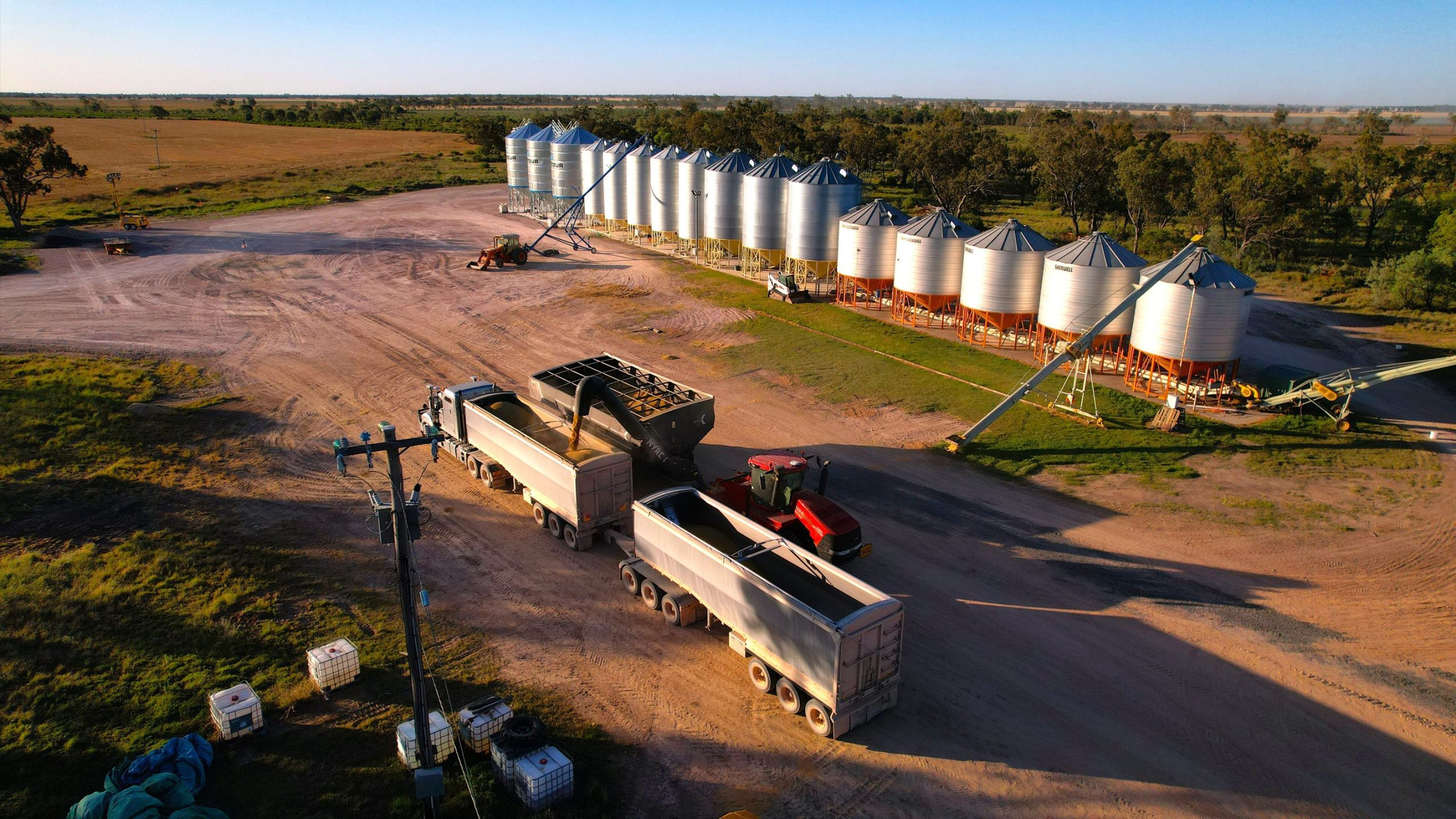
A good sowing programme starts before the seed reaches the seeder.
How that seed is stored, handled and moved into the paddock can affect its condition long before establishment begins. Moisture, contamination, pests and rough handling all create problems that are easier to prevent in the bin than fix later.
That matters even more when you’re moving between canola, cereals and pulses across the same programme.
Each crop brings different storage and handling considerations, and a seed and super bin needs to be set up accordingly. The condition, while ensuring it is clean, dry and in good condition while making sure fertiliser stays completely separate.
This guide covers what to check before filling, crop-specific storage considerations and how to set up a seed and super bin for a multi-crop sowing programme.
Why Seed Storage Setup Matters Before Sowing
Retained seed represents more than a load of grain sitting in a bin.
It’s the starting point for the next crop.
Poor storage conditions can affect seed quality before it ever reaches the paddock. Excess moisture can create storage problems. Insects can become an issue in grain held for longer periods. Contamination between crops can complicate the sowing programme, while rough handling can damage more fragile seed.
For growers running several crops, the challenge becomes keeping each seed type in suitable condition while still moving efficiently through a tight sowing window.
On-farm storage gives you more control over that process.
Seed can be prepared and held ahead of sowing, reducing reliance on last-minute supply and giving the farm more flexibility around weather, labour and paddock timing.
That flexibility only pays when the bin is properly prepared for the seed going into it.
Start With a Clean Bin
Before loading retained seed, inspect the bin properly.
Any residue left from the previous load can end up in the next one. That even more so moving between crop types, and it matters even more when the bin also handles fertiliser.
Check the compartments, discharge areas and augers for remaining product.
If fertiliser has been through the bin, clean-out needs particular attention. Remove visible residue and flush the auger so fertiliser isn’t carried into the seed compartment during the next fill.
The same principle applies when changing crops.
Canola left behind before a cereal load, or cereal grain mixed through a pulse load, creates unnecessary contamination before the sowing programme has even started.
A clean bin gives you a clean starting point.
Check Seed Moisture Before Storage
Moisture is one of the first things to check before retained seed goes into storage.
The supplied storage limits for the crops covered here are:
- Canola: 7% moisture or lower
- Cereals: 12% moisture or lower
- Pulses: 12.5% moisture or lower
Seed entering storage above the appropriate moisture level can be harder to manage and may be more vulnerable to deterioration during storage.
Conditions can also change while the seed is being held.
Heat, humidity and the length of storage all affect how closely the load needs to be monitored, particularly if seed is being stored through warmer months before sowing.
The bin itself should help keep outside moisture away from the load. A well-sealed compartment and roof system are important when the aim is to maintain the condition of dry seed until it’s needed.
Setting Up a Seed and Super Bin for Canola
Canola seed needs careful handling because of its small size and the value tied up in achieving an even establishment.
Start by making sure the compartment is properly cleaned.
Small amounts of leftover grain or fertiliser can become a larger contamination issue when mixed through canola seed, particularly when relatively small seed volumes are involved.
Moisture also needs to be checked before the seed goes into storage. For canola, the supplied storage limit is 7% or lower.
Keep the compartment dry and sealed after filling, and avoid unnecessary product movement while the seed is being held.
Retained seed also needs to be the right seed for the next programme. Hybrid-canola retention mistakes can create problems that have nothing to do with the bin itself, so seed selection should already be confirmed before storage begins.
Once the correct seed is in the bin, the job becomes protecting its condition until sowing.
Setting Up for Cereal Seed
Wheat, barley and other cereal seeds may be less delicate during handling than some pulse crops, but storage still needs attention.
The supplied moisture limit for cereals is 12% or lower.
If cereal seed is being held through summer, insect pressure also becomes an important consideration. Weevil can become a problem in stored cereal grain, so longer-term storage calls for regular inspection rather than filling the bin and forgetting about it until sowing.
Before loading, check that the compartment is clean and dry.
Pay particular attention to areas where grain can remain after unloading, including auger housings, corners and discharge points. Those areas can hold old seed or residues that carry into the next load.
For farms running multiple cereal varieties, clean changeovers also help keep seed lots separate.
The aim is to have the same seed come out that went in, in the condition you expect when the seeder arrives.
Setting Up for Pulse Seed
Pulses bring a different handling consideration.
Cracking can occur when pulse seed is handled too aggressively, particularly through high-speed auger loading.
That makes loading and unloading settings worth checking before the bin is filled.
More speed isn’t always better.
The auger needs to move enough product to keep the sowing operation efficient, but seed condition still comes first. If a product is being damaged during transfer, the time saved during loading can create another problem later.
The supplied storage limit for pulses is 12.5% moisture or lower.
As with cereals and canola, the compartment should be clean and dry before filling. Remove any leftover fertiliser or seed from previous loads so the pulse seed stays separate and ready for sowing.
For crops where seed quality is closely tied to establishment, careful handling throughout the storage and transfer process matters.
Preventing Cross-Contamination Between Seed and Fertiliser
A seed and super bin has to manage two very different products without mixing them.
That’s why compartment separation matters.
Fertiliser residue doesn’t belong in retained seed, and seed shouldn’t be carried into the fertiliser side either. The bin needs to keep the products physically separated through storage and discharge.
Clean-out between uses adds another layer of protection.
Before changing crops or moving from fertiliser back to seed:
- Empty the compartment fully.
- Inspect corners, outlets and auger areas.
- Remove remaining material.
- Flush the relevant auger.
- Check the compartment again before loading.
That process is worth building into the farm’s normal equipment preparation rather than leaving it until the first fill of the season.
A few minutes spent checking the bin is easier than dealing with contamination once the load is already mixed.
Loading and Unloading Seed Carefully
Storage is only half the job.
Seed can be in good condition inside the bin and still be damaged if it’s moved too aggressively on the way in or out.
Auger setup should suit the crop being handled.
That matters particularly for pulse seed, where excessive auger speed can increase cracking. It also matters when switching between small canola seed and larger cereal or pulse seed because the same setup won’t always move every crop identically.
Watch how the product is flowing during the first part of the load.
Check for visible damage, uneven discharge or leftover material being carried through from the previous product.
The aim is steady, clean movement rather than maximum speed at any cost.
During sowing, load-out capacity also needs to keep pace with the seeder.
A well-set-up seed and super bin should reduce waiting time in the paddock without sacrificing the condition of the seed going into the machine.
Preparing the Bin for the Sowing Window
Before sowing starts, run through the entire bin rather than checking one component at a time.
Make sure:
- Compartments are clean and ready for the intended product.
- Seed moisture is within the required storage range.
- Tarp and sealing systems are operating properly.
- Augers are clean and running correctly.
- Discharge points are clear.
- Seed and fertiliser remain separated.
- The selected capacity suits the amount of product needed between fills.
If several crops are being sown, plan clean-outs into the changeover.
Moving from canola to cereals or pulses without checking the bin first increases the chance of carrying one crop into another.
A multi-crop sowing programme already has enough moving parts. The bin shouldn’t add another one.
GrainKing Geminus Seed and Super Bins for Multi-Crop Sowing
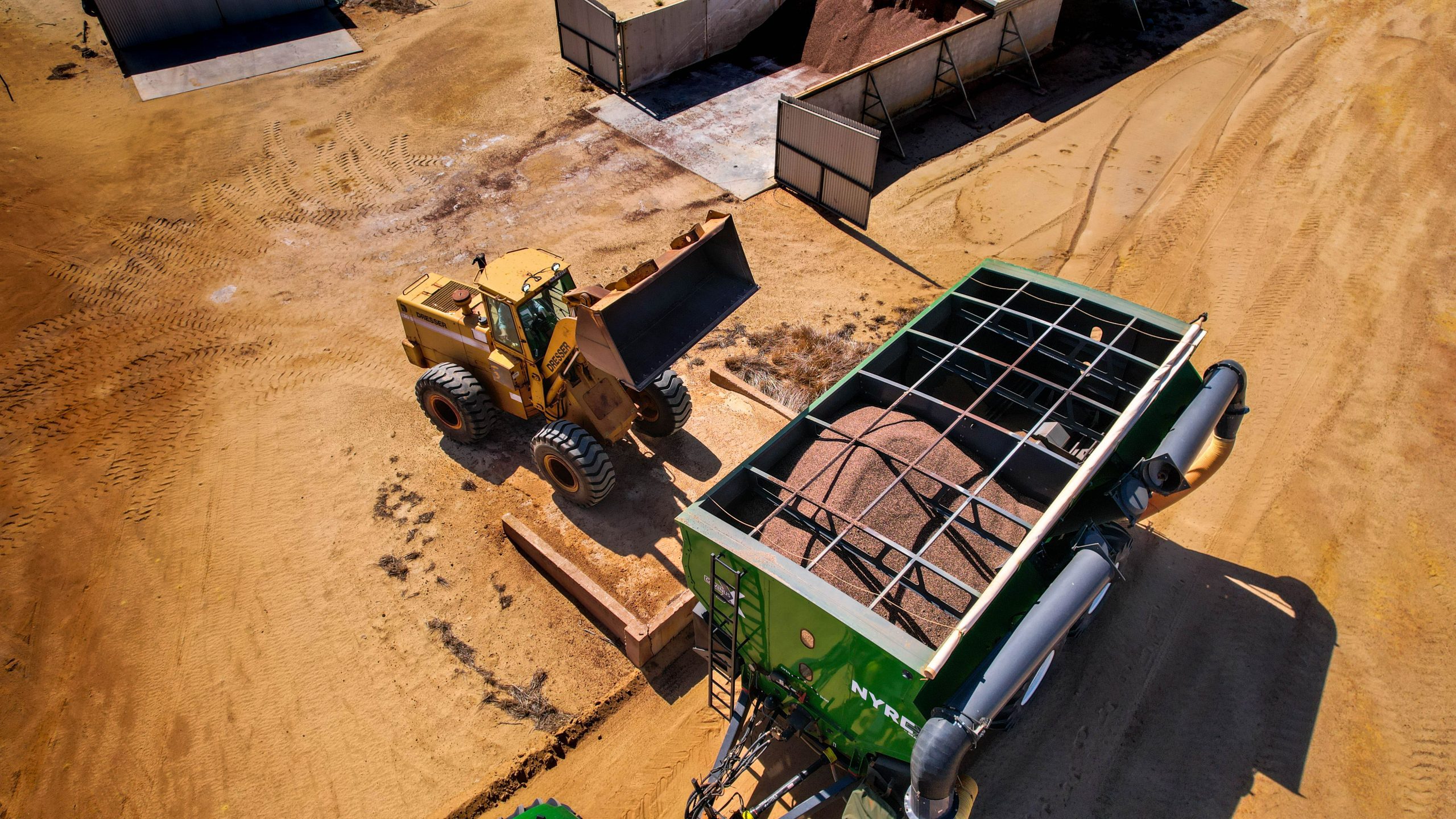
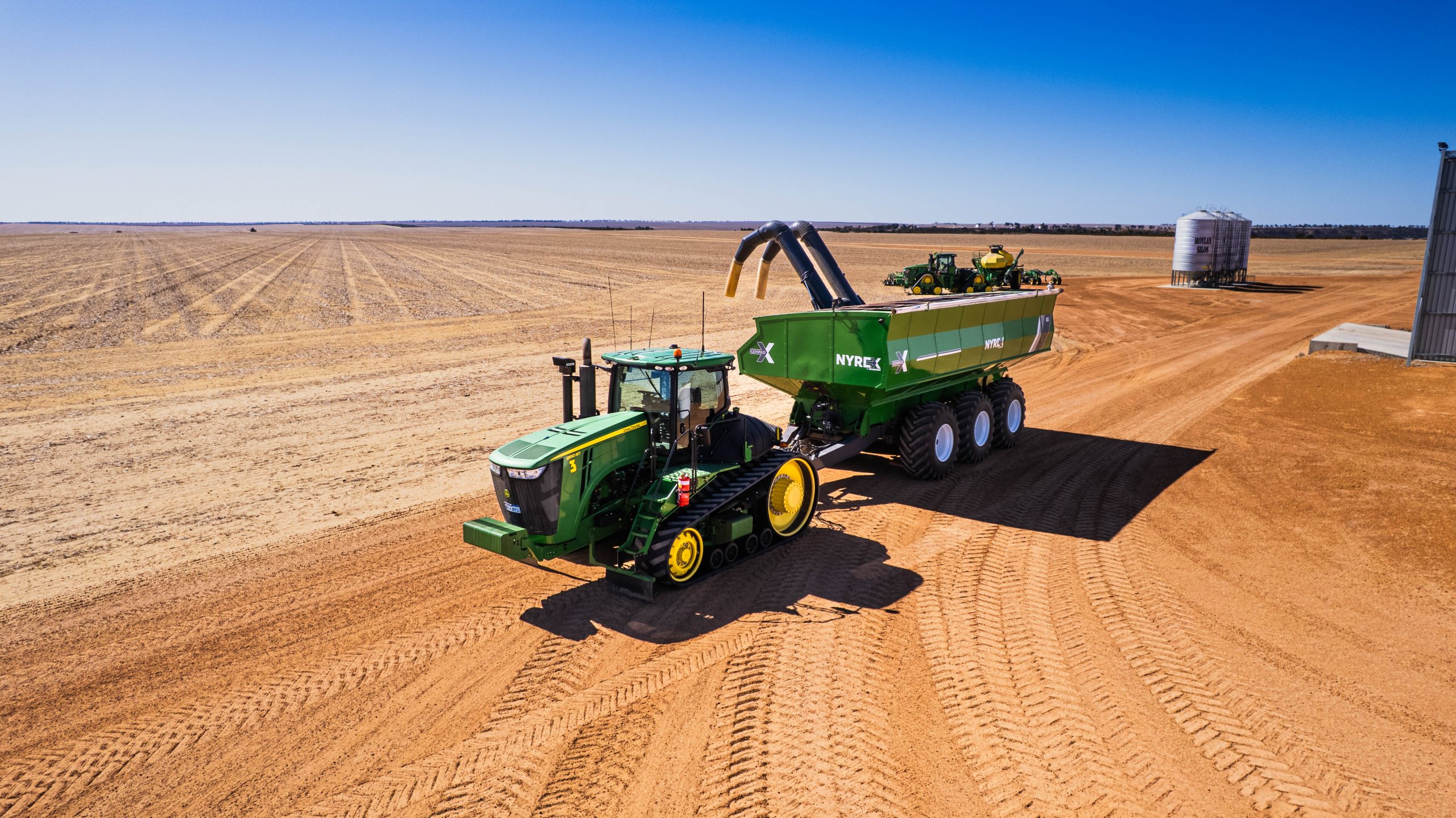
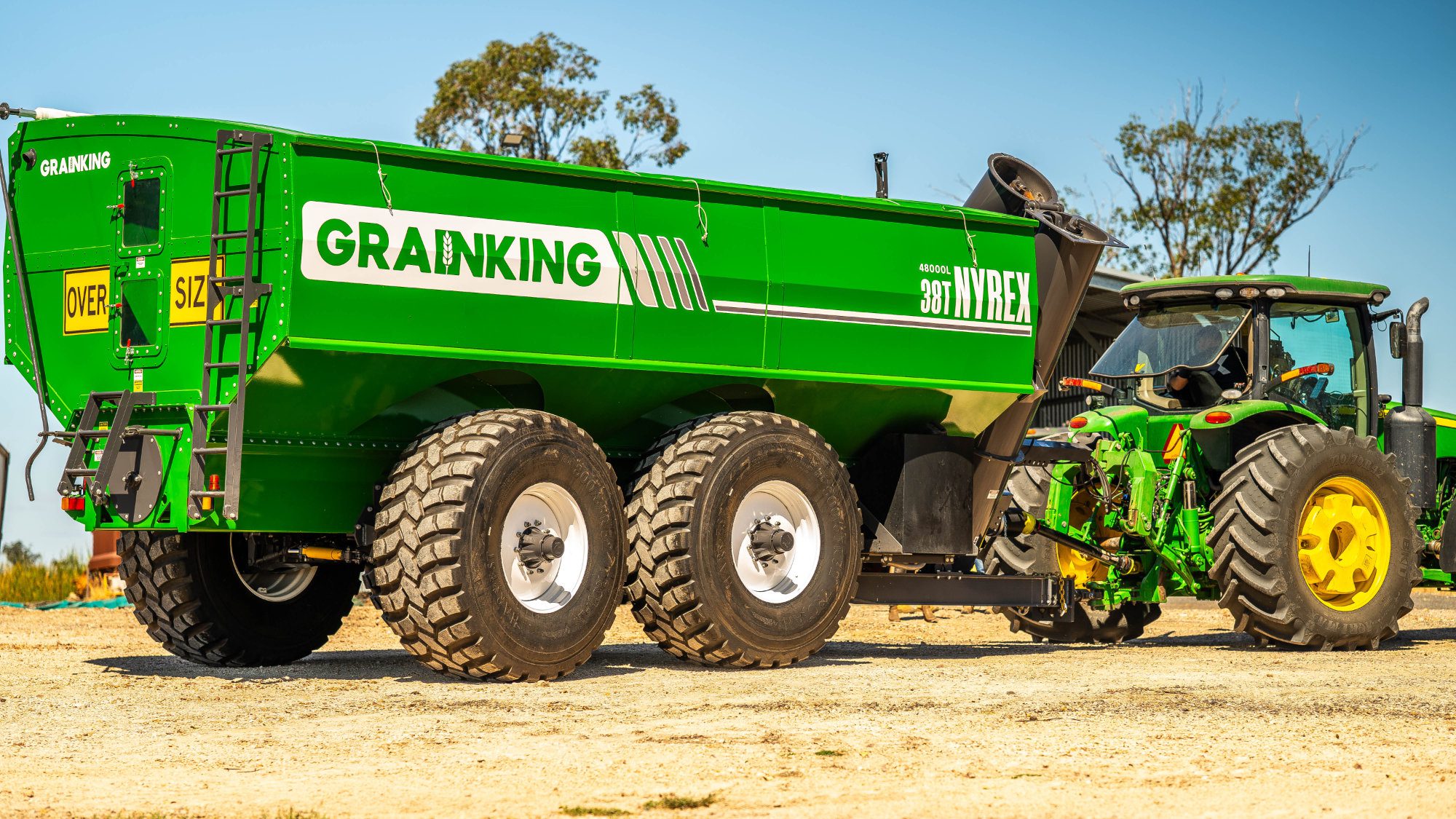
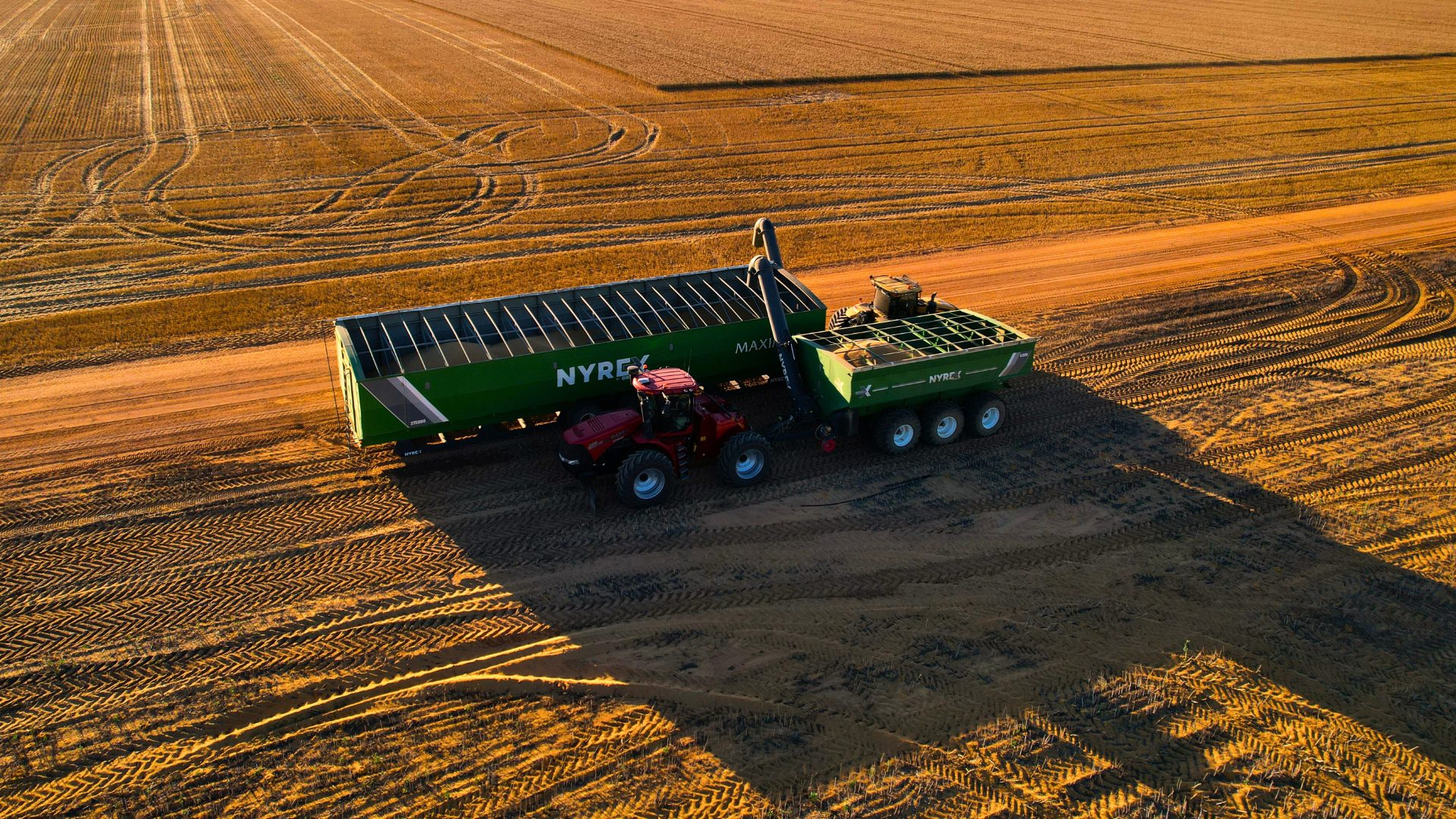
The GrainKing Geminus range is designed and manufactured in Australia for growers handling seed and fertiliser through the same sowing programme.
Geminus bins use sealed dual compartments to keep seed and fertiliser separate, with independent augers for controlled discharge.
That setup allows one bin to support retained seed and fertiliser while reducing the risk of the two products mixing during storage or load-out.
The range is available in 25, 35, 45 and 60 tonne configurations, giving growers and contractors options to match capacity to their sowing programme and paddock logistics.
For farms moving between canola, cereals and pulses, the dual-compartment design also gives the bin a role across several crop types rather than tying it to one job.
The result is a single piece of equipment that can support different parts of the sowing programme while keeping clean-out, separation and product handling front of mind.
Frequently Asked Questions
What moisture should canola seed be stored at?
The supplied storage limit for canola seed is 7% moisture or lower.
The seed should be checked before storage, and the compartment should remain dry and properly sealed while the load is being held.
What moisture should cereal seed be stored at?
The supplied storage limit for cereal seed is 12% moisture or lower.
If cereal seed is held through summer, inspect it regularly for storage issues, including weevils.
What moisture should pulse seed be stored at?
The supplied storage limit for pulses is 12.5% moisture or lower.
Pulse seed should also be handled carefully during loading and unloading because high-speed auger movement can increase cracking.
How do you stop seed and fertiliser mixing in a seed and super bin?
Use separate sealed compartments and independent discharge systems, then clean the bin thoroughly between products.
Inspect the compartment and auger before loading seed after fertiliser has been carried.
Can the same seed and super bin be used for canola, cereals and pulses?
Yes, provided the bin is suitable for the products being handled and is properly cleaned between loads.
Storage moisture, handling speed and contamination risks should be checked for each crop rather than treating every seed type the same.
Set the Bin Up Before the Pressure Starts
Sowing isn’t the time to discover old fertiliser in an auger, cracked pulse seed or cereal that’s been sitting in poor storage conditions.
A good setup starts with clean compartments, suitable seed moisture and handling that matches the crop.
For a multi-crop programme, it also means having equipment that can move between canola, cereals, pulses and fertiliser without turning every changeover into a job of its own.
GrainKing Geminus Seed & Super Bins are built for that kind of programme, with dual compartments, independent augers and capacities from 25 to 60 tonnes.
View the GrainKing Geminus Seed & Super Bin range or request a quote from the GrainKing team.