
Any farmer knows from experience the pressures the harvest season puts on their operations. So much so that it turns harvest — what should be a season that farmers anticipate with glee and gratitude — into one that they dread as it approaches.
It’s this familiar scenario: Headers run longer hours, pushing machines and operators to their limits. Trucks queue at silos, burning precious time and fuel. And weather windows close faster than expected, threatening crops that are still in the paddocks.
Your harvest efficiency depends on how quickly you can move grain from paddock to storage. One bottleneck and the whole operation slows down.
This is where field bins make a huge difference. In this article, we’ll explore what field bins are and how they positively affect your harvest.
What Is a Field Bin and How Is It Used During Harvest?
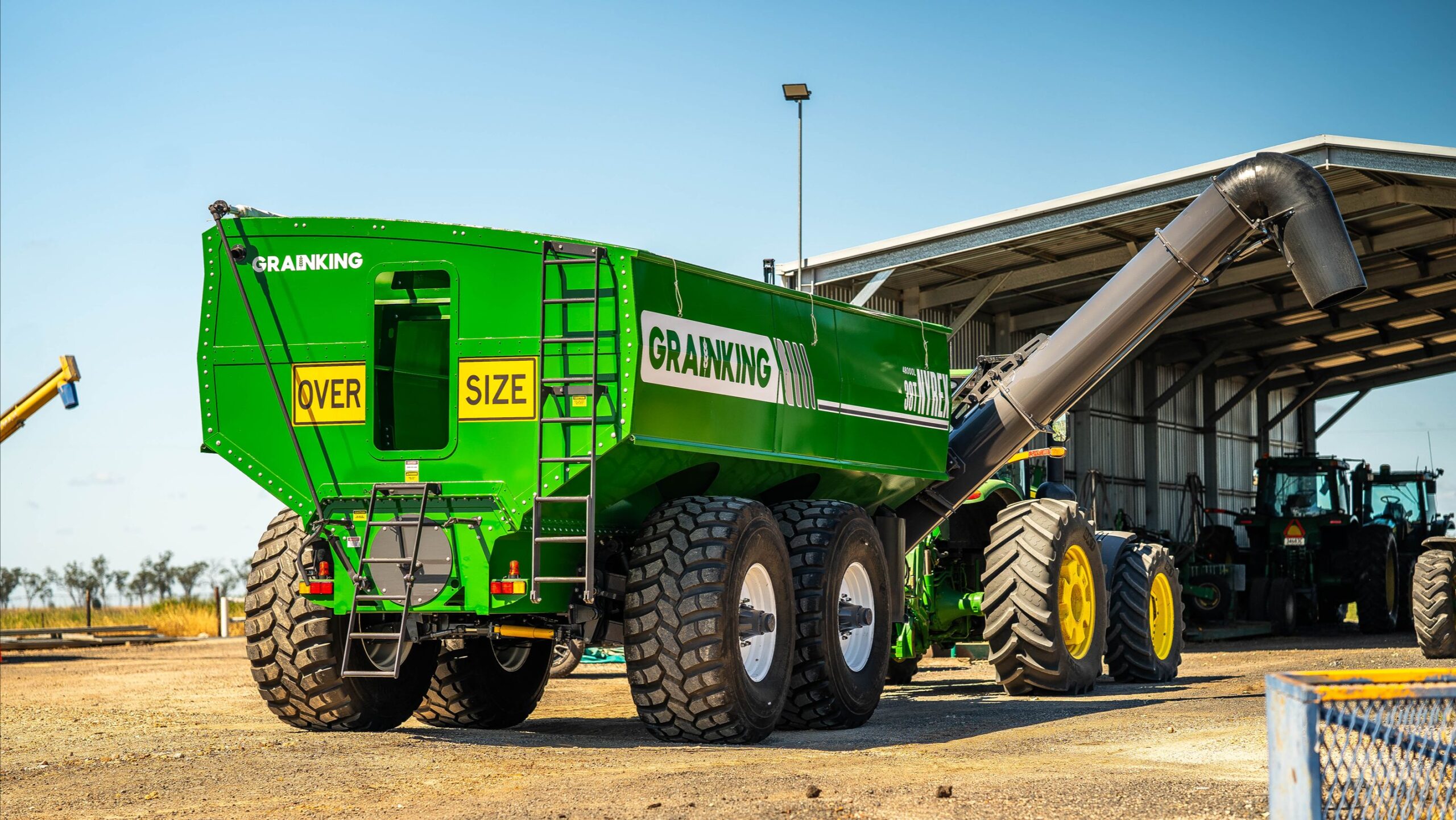
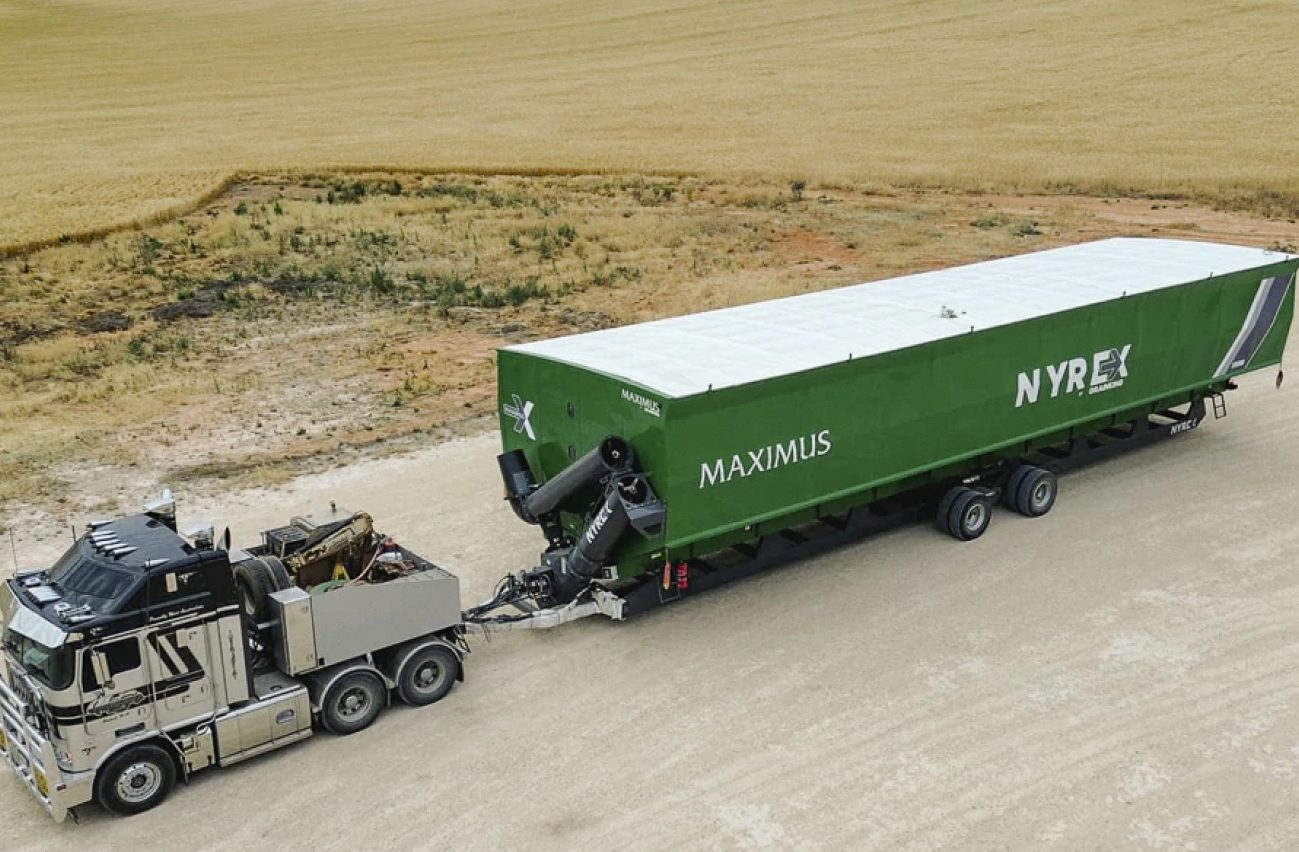
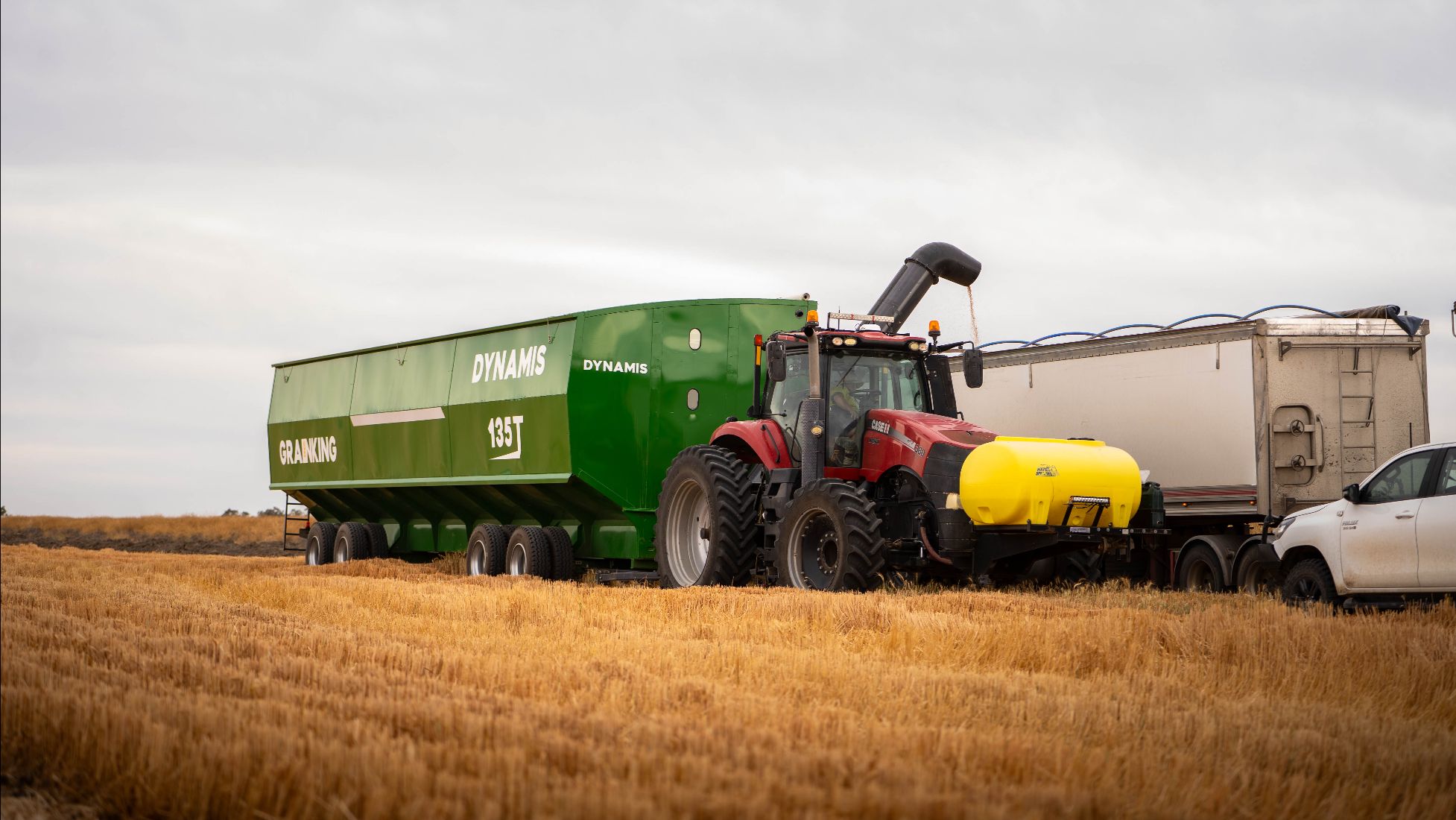
A field bin is a large, portable grain storage unit designed for temporary on-farm use during harvest. Field bins range from 100 to over 220-tonne capacities.
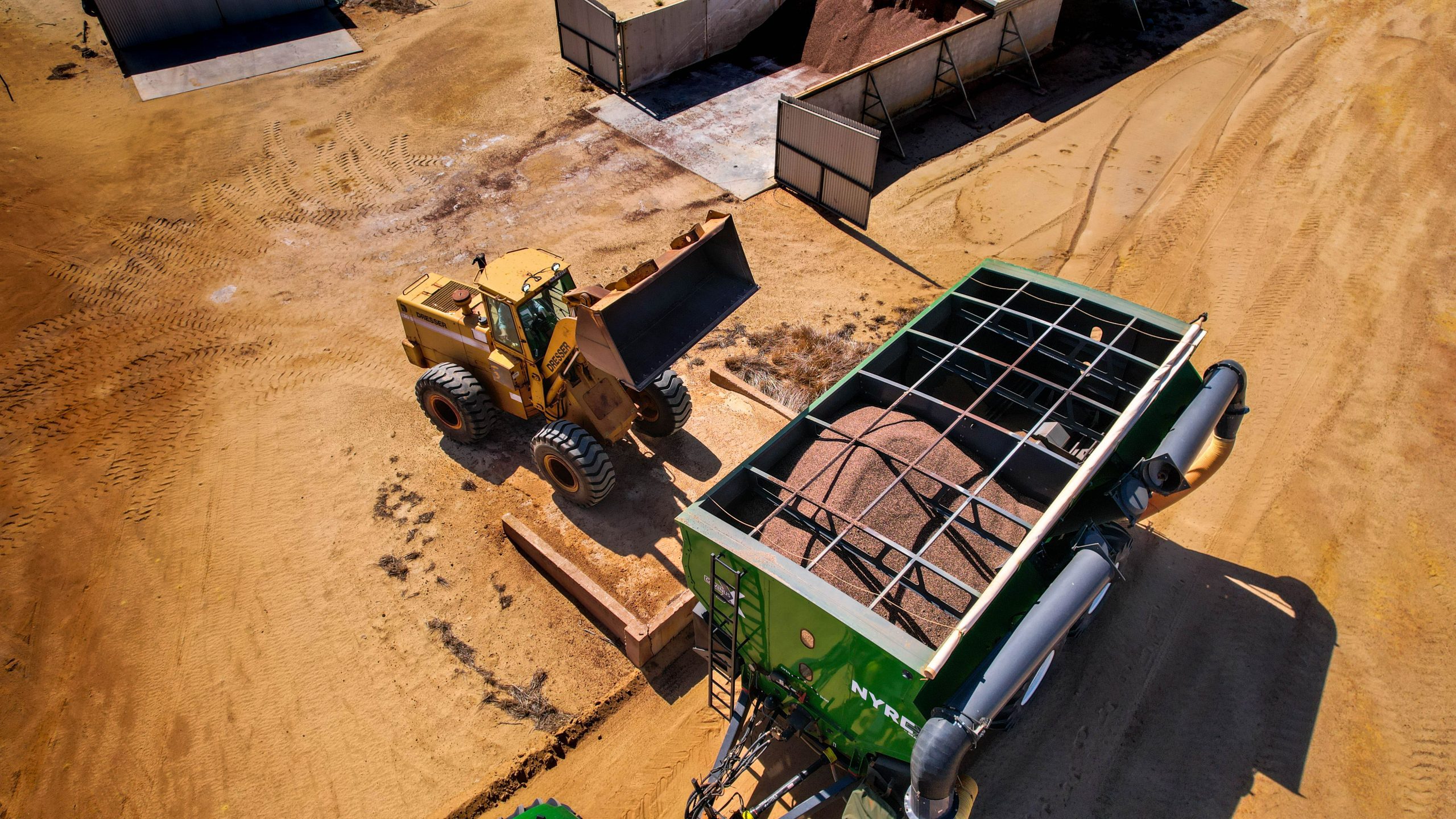
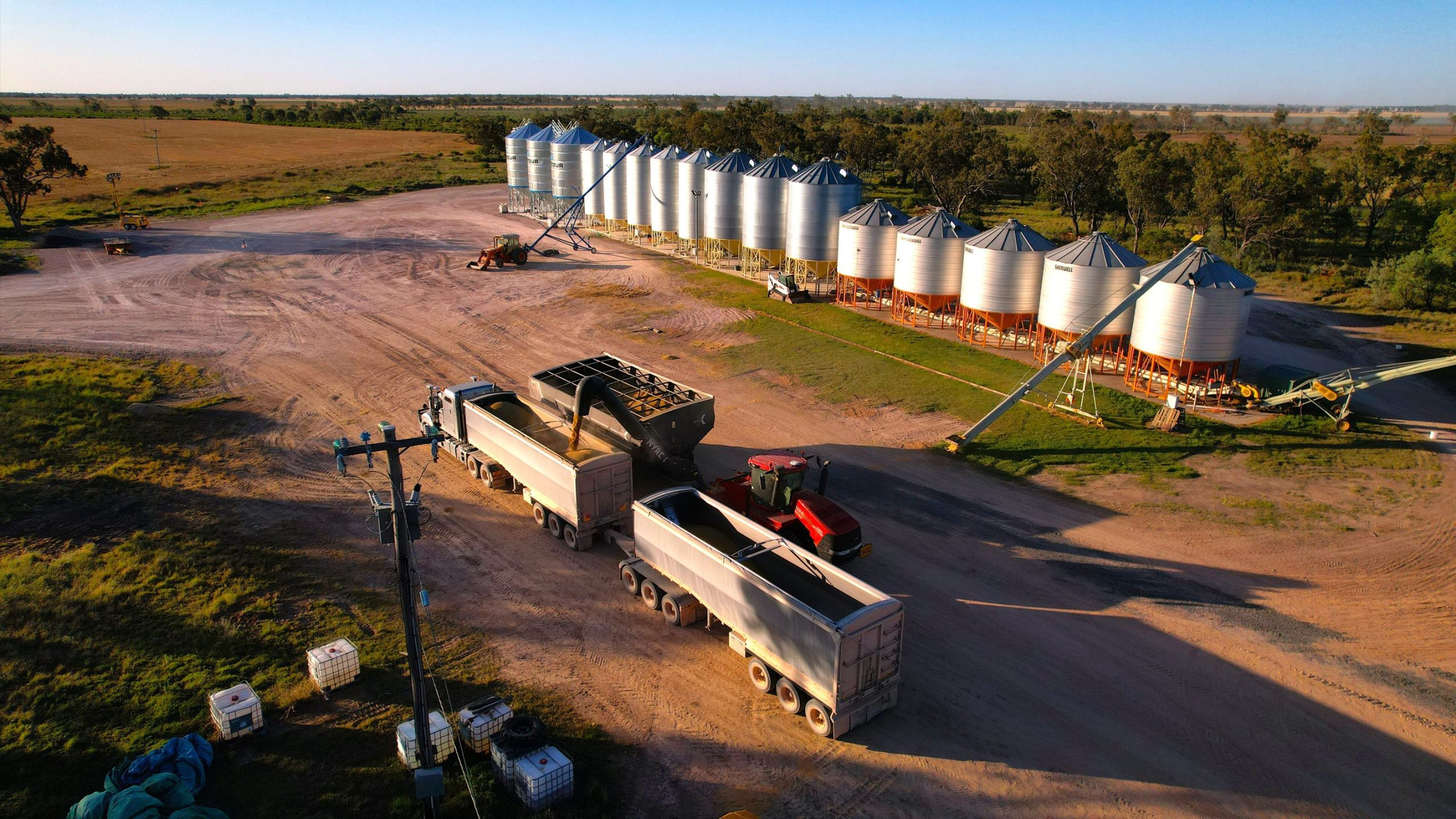
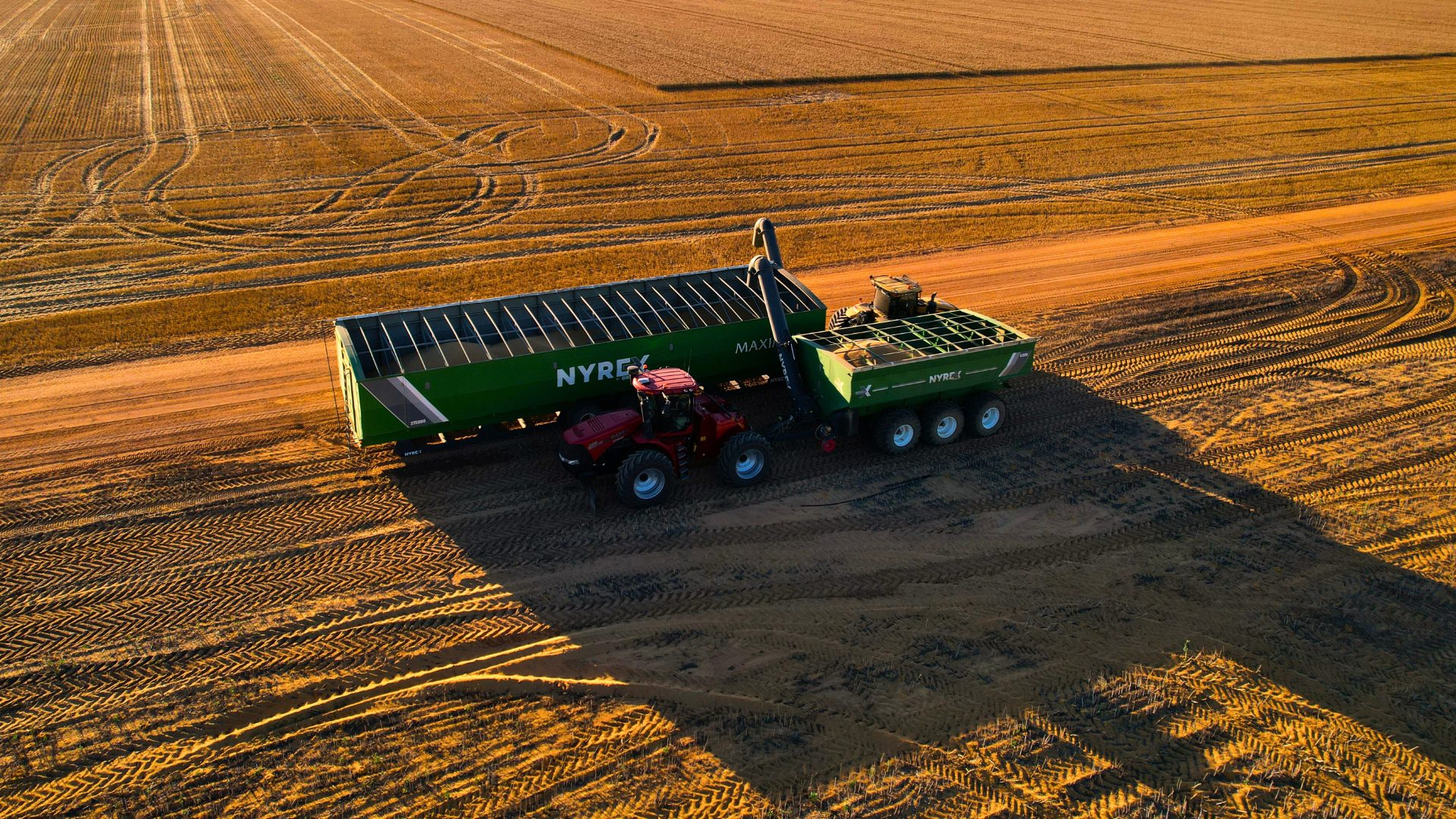
These bins serve as a buffer between your harvester and permanent storage. Your chaser bins unload into the field bin, and your trucks load from the field bin while your header keeps running. In short, field bins help keep the process moving continuously and efficiently.
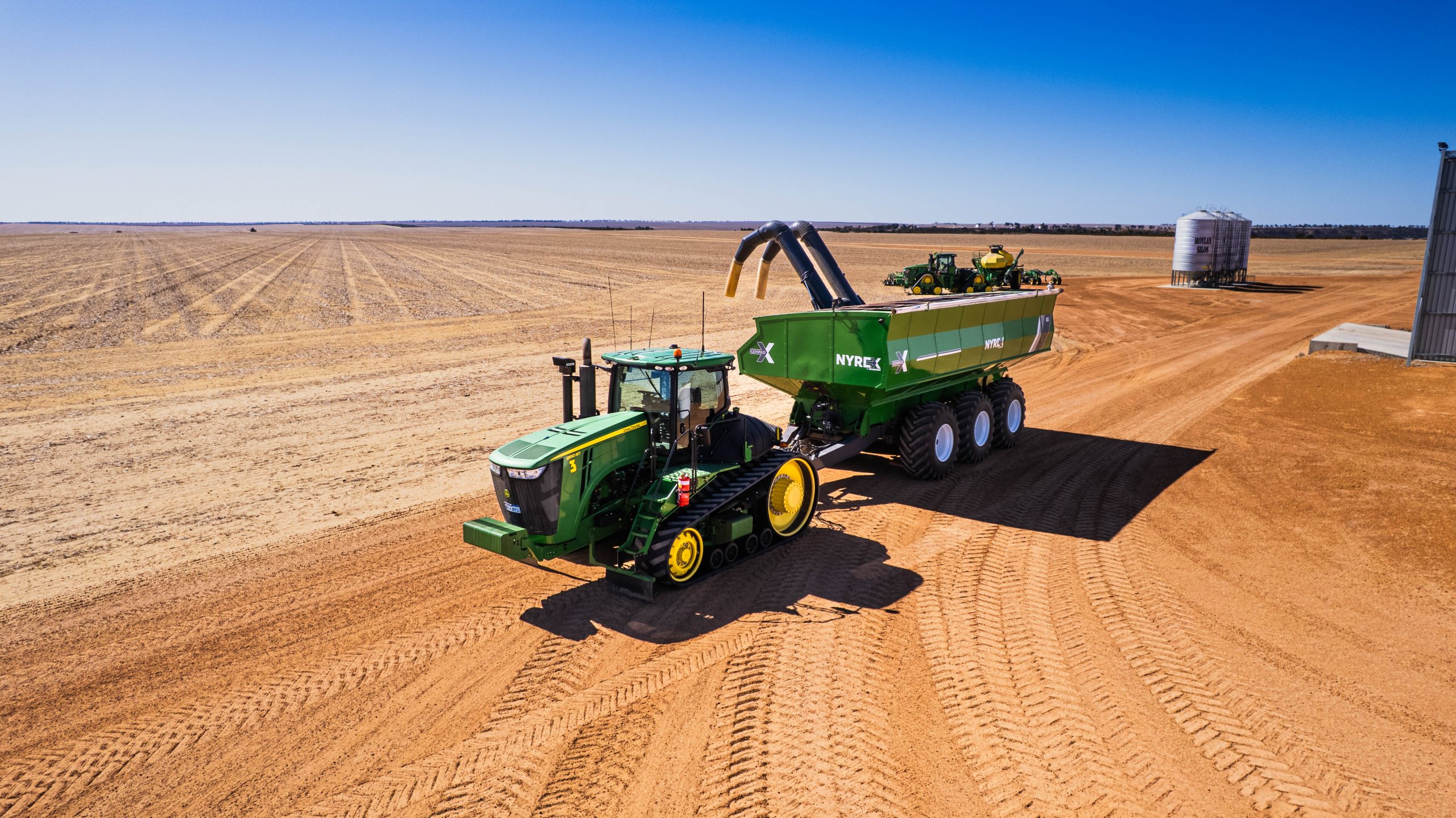
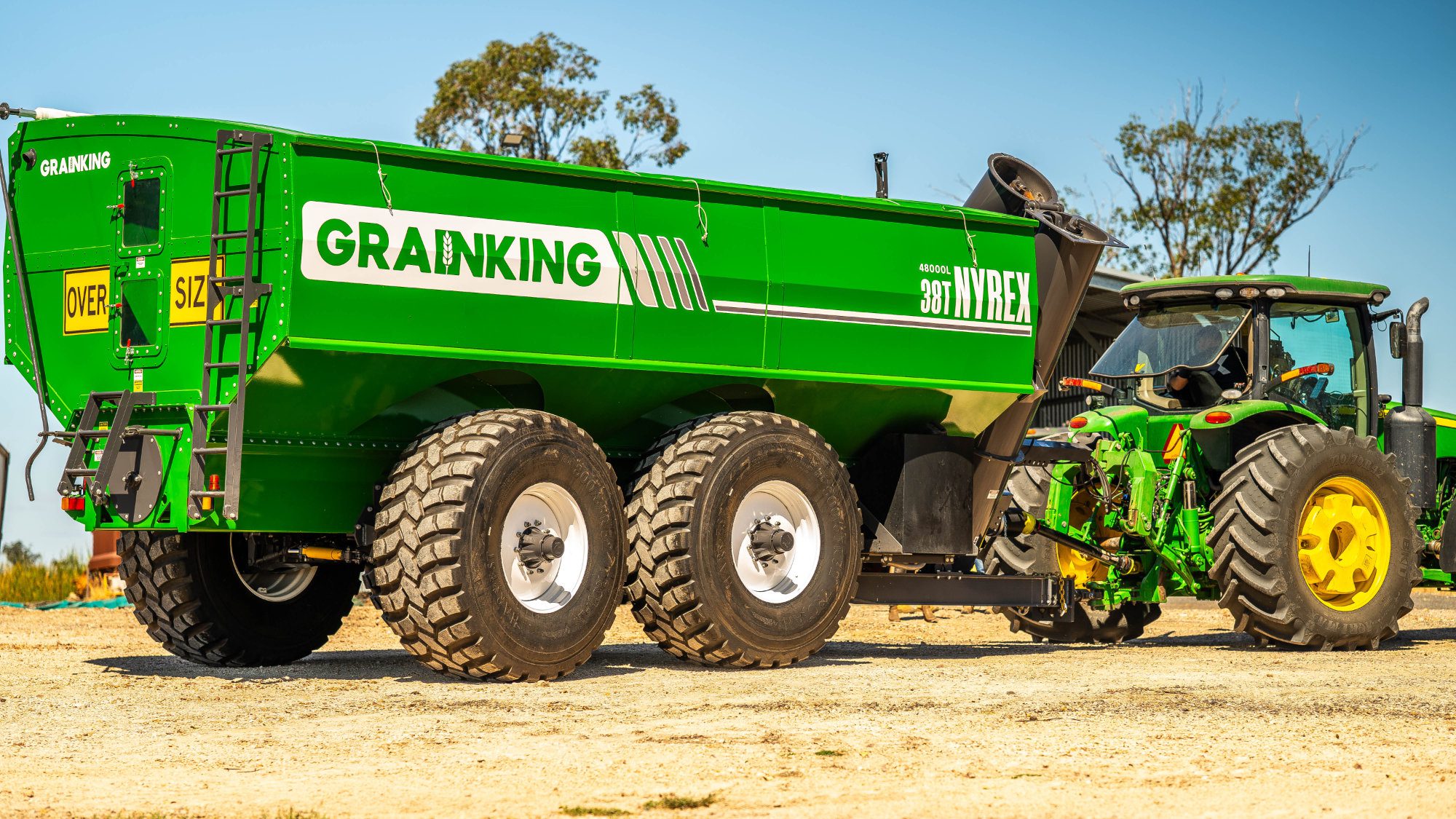
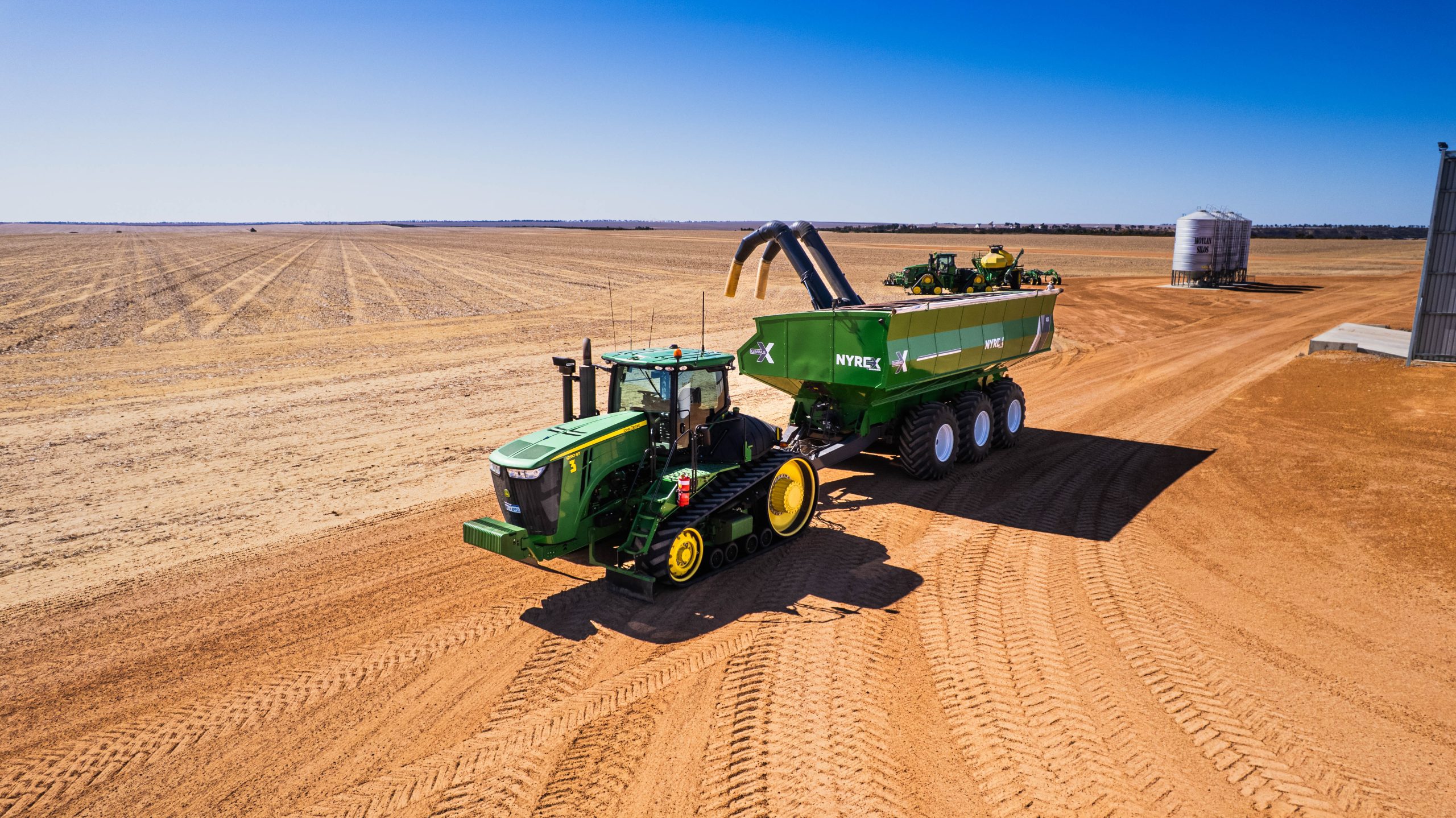
Field bins come in several configurations. Round bins are common and a neccesity on every farm. For the farmer that want’s to increase his farm efficiency, there are portable centre lift style field bins and wheeled field bins that can unload at greater rates and be moved with ease behind a tractor. Another name for these are Motherbins.
Think of field bins as “staging areas” in your paddocks. They let you harvest at peak capacity without waiting for your trucks to arrive.

What Are the Benefits of Using Field Bins?
Using field bins has plenty of other benefits to your harvest, from swifter grain handling to improving overall on-farm productivity.
- Faster Grain Handling & Harvest Flow
During harvest, time literally costs money. Every minute your header sits idle means lost revenue and productivity you can’t recover.
This is why large-scale Australian grain farmers have used field bins for decades. Field bins let farmers keep their headers running without waiting on trucks, therefore, breaking the bottleneck between harvest and transport.
When you have a field bin in place, dumping and loading grains can happen independently, making your operations more efficient regardless of how far the field is from your main storage.
- Reduced Crop Loss and Spoilage
Post-harvest losses can hit Aussie farmers hard, especially when farms haven’t utilised the right equipment. Research shows that proper storage infrastructure can reduce grain storage losses to less than 1%.
Field bins protect your grain (and your profit) during that critical period between harvest and proper storage. They keep grain off the ground, away from moisture and provide better protection than grain bags or open bunker storage.
The timing matters, too. Delays in moving grain from field to storage can expose crops to weather, rodents, birds, and insect attack. Field bins help to minimise this exposure by providing immediate, protected storage.
Think about it this way: If you lose even 1% of your crop to spoilage or handling losses, that’s thousands of dollars gone. A field bin helps you keep more of your harvest.
- Improved On-Farm Logistics
Not every paddock sits close to main storage, and long hauls can create serious delays during harvest. Field bins bridge that distance. Place them strategically in or near the paddock so your chaser bins make short trips, keeping the header moving while trucks run on their own schedule.
This setup works particularly well for operations with land far from their central storage. The field bin becomes your temporary collection point. It coordinates the flow between fast-moving harvest equipment and slower truck logistics. The trucks can come to a set location, be loaded straight away and be on their way while the header has never stopped for a second to think about stopping harvesting.

- Flexible Storage Capacity When You Need It
Harvest capacity changes as often as seasons do. Bigger yields can strain your permanent storage, so having field bins can offer you some allowance for overflow when you need it.
You’re also not locked into permanent infrastructure. Field bins range in capacity, so you can match it to your operation size. If you have a lesser harvest where you do not need the field bin, rent it out to those who do.
This flexibility extends to different crop types, too. Use field bins for grain one season, then use them for seed or other bulk materials the next. The equipment adapts to your needs rather than the other way around.
This scalability benefits smaller operations the most, allowing them to handle peak yield periods without overspending on permanent infrastructure. if your able to keep trucks moving over a short, condensed timeframe.
- Safer and More Efficient Operations
Farm safety matters and should be your top priority. According to SafeWork, machinery accounts for a high proportion of farm injuries and fatalities in Australia, particularly during the busy harvest period.
Modern field bins come with safety features that reduce risk. They have remote controls for auger operation to keep workers away from moving parts, and safety levers and guards to protect against accidents.
The equipment also reduces pressure on truck drivers. No more racing against the clock to keep headers moving. Less stress means fewer mistakes, and fewer mistakes mean fewer injuries. That’s definitely worth considering when you evaluate equipment investments.

How to Choose the Right Field Bin for Your Farm
If you’re in the market for a field bin, you want to have a good understanding of your needs first. Start with capacity. Calculate your typical harvest volume per day, then add a 20-30% buffer for high-yield days.
Consider your mobility needs, too. Do you harvest multiple distant paddocks? Then a larger centrelift field bin is your best option. Do you work concentrated areas? Then a narrower, wheeled field bin that’s easier to transport through gates etc. may suit you better.
Look at the auger system. Hydraulic-driven augers need tractor oil flow power but offer better control. Full PTO systems require less flow, have more power but less control over discharge speed. And gravity discharge bins cost less but limit your unloading options.
When you’re looking at field bins for sale, check these points:
- Structural warranty length (look for 5+ years)
- Auger capacity and reach
- Ground clearance for paddock access
- Safety features and compliance
- Service availability in your region
There are plenty of considerations to think about when choosing the right field bin. GrainKing’s expert team is available should you have any questions about integrating field bins in your operations.
Final Thoughts: Are Field Bins Worth It?
The ROI calculation on field bins is straightforward. Can you harvest an extra 50-100 hectares during a weather window because your header doesn’t wait for trucks? What’s that additional grain worth?
For operations running multiple headers or harvesting large areas, field bins typically pay for themselves within a few seasons. And the efficiency gains compound over time. Meanwhile, smaller operations might find field bins worthwhile if they face specific challenges. From long distances to storage, limited truck availability, to narrow weather windows, these scenarios all favour having that buffer capacity on hand.
Lastly, it’s worth pointing out that field bins suit Australian conditions particularly well. Our harvest seasons are compressed, our paddocks large, our weather fickle and can turn very quickly. Field bins address and aid with all three concerns.
Ready to speed up your next harvest? Explore GrainKing’s range of field bins built for Australian farms. Talk to our team today to find the model that fits your operation best.