Grain silos are not a small investment. You’ll live with this purchase for years. And weighing the cost of one, you’ll want a real number before you commit.
But here’s the thing: the price on the quote is rarely what it actually costs you in the end. Site prep, aeration and power can all add as much again. And for some operations, those hidden costs change the decision entirely.
In this guide, we’ll give you the full picture of grain silo costs in Australia. We’ll cover what actually drives the price, what the quotes leave out and when a mobile field bin can be the smarter spend for your harvest.
What Actually Drives the Grain Silo Cost
Three things decide what a silo costs you: its size, what it’s built from, and how it’s set up to work.
Size moves the number most. A bigger silo costs more in total but less for every tonne it holds, so a little farm silo can look cheap on the sticker and still be the dearest storage you’ll ever own per tonne. Work out what you actually need to store, then buy a size up. The jump to the next size is a small cost compared to the expense of running out of room in a busy year.
Material is your next call. Most on-farm silos are galvanised steel, as this material is the cheapest way to store grain well. Bolted steel costs more, but you can pull it apart and shift it if the operation changes. Concrete is dearer again, and it only makes sense on permanent, commercial-scale sites, not a family farm.
And finally, how the silo is set up is where two silos of the same size stop being the same buy. A plain flat-bottom silo holding feed barley is a different machine from a sealed, aerated, cone-bottom silo built to hold canola through a hot summer and take a fumigation. It’s the same tonnage on paper, but nowhere near the same price.
What the Grain Silo Cost Quotes Leave Out
The silo is the easy part to price. It’s everything around it that catches people out. Before the tank holds a single grain, you’re paying for a few things the quote won’t mention:
- The base. A silo can’t sit on bare dirt. It needs a level, load-bearing pad, usually concrete or well-compacted rock, and soft or sloping ground pushes that cost up fast.
- Truck access. A hardstand to load and unload on, with room to turn a big rig without bogging it. This is the line most people forget until the first wet delivery.
- Aeration and power. Moving air through the stack is how you hold grain quality through an Australian summer, and canola won’t store without it. GRDC’s Stored Grain guidance puts the airflow at 2 to 3 litres per second per tonne, which decides your fan, your ducting and the power you run out to the site.
- Standing it up. The crew and crane to erect the silo, plus a power run that only gets dearer the further you are from the shed.
Added up, the site work can cost as much as the silo itself.
Types of Grain Silos and Where Each Fits
Flat-bottom steel is the default for on-farm bulk storage and the cheapest way to hold a lot of grain. You empty it with an auger or a sweep.
Cone-bottom costs more up front, but it drains under gravity and cleans out properly between grains. It is worth it if you store seeds or alternate between types.
Concrete lasts longest and holds quality best, though the price only stacks up on permanent commercial sites.
Grain bags cost the least to get into, but they only last a season. Handy for overflow in a bumper year, though you’re trusting a sheet of plastic to keep the weather and the mice out.
If you’re storing canola or any grain that will require fumigation, the spec matters more than the size. Phosphine fumigation only works in a gas-tight, sealable silo that holds pressure, so that’s what you’re really shopping for.
The Ongoing Grain Silo Costs
A silo isn’t a one-off spend either. The aeration fans draw power every time you run them. Seals, ducting and structure want a look over once a year. And if you’ve paid for a sealed silo, you have to keep it gas-tight, or the fumigation you paid for is wasted.
None of that is much on its own. Over the years it adds up, and it’s the difference between grain that holds its grade in store and grain that quietly slips a grade while you’re not watching.
Storage only pays you back when it buys you something real: a better price for selling later, saved freight, or less time waiting on the bulk handler. GRDC’s own analysis lands in the same place. Most growers need a few of those wins stacked together before on-farm storage gets in front.
How a Field Bin Compares on Cost with a Grain Silo
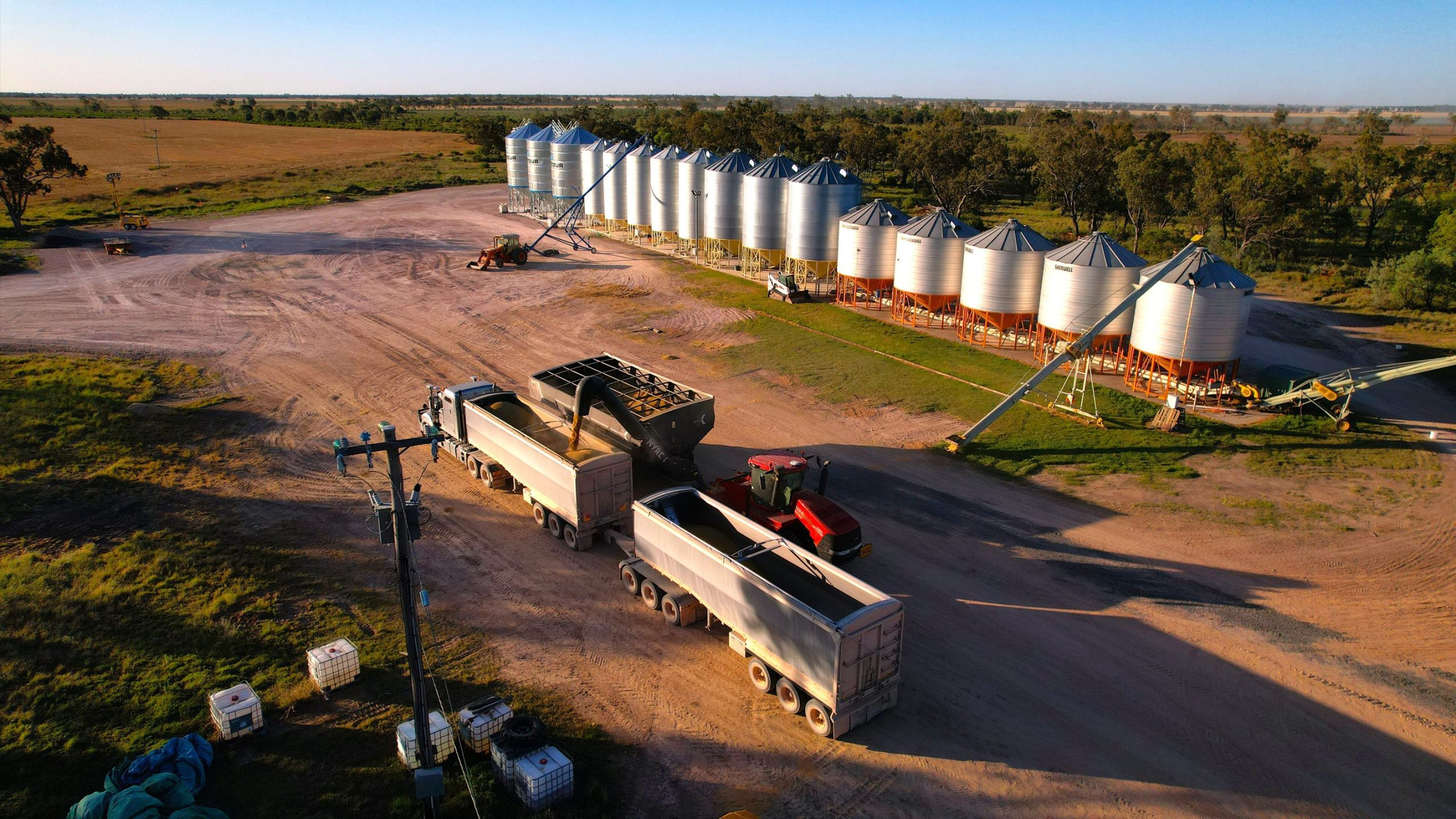
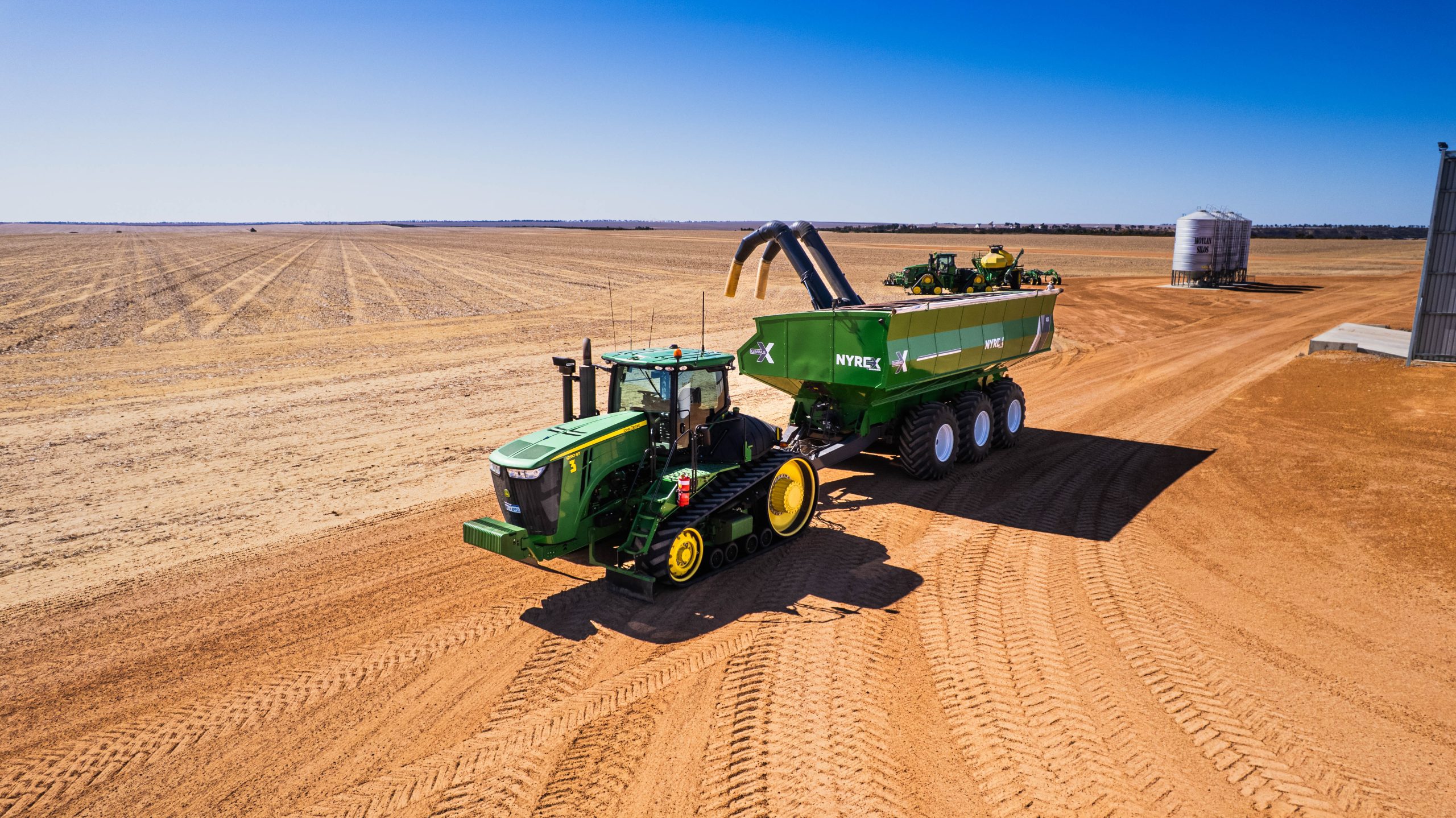
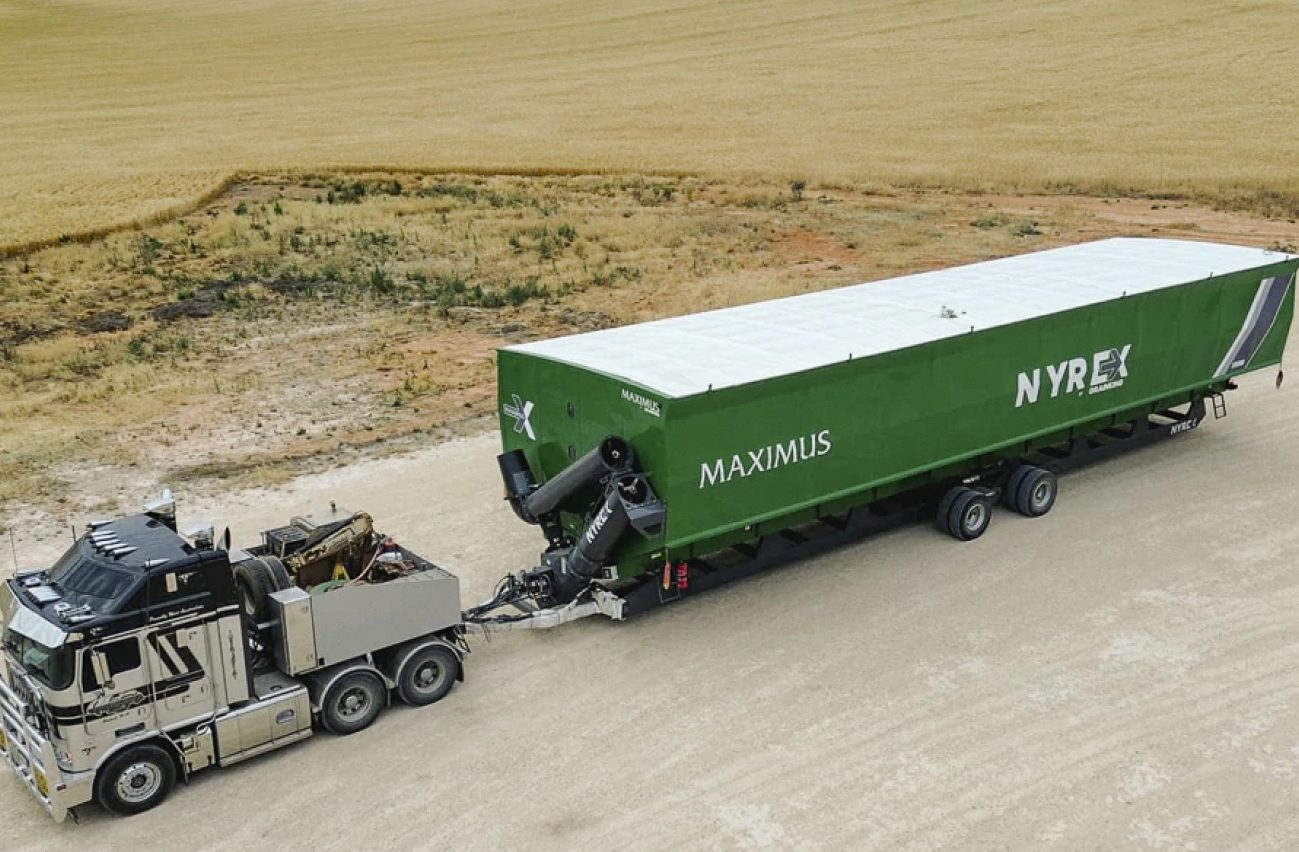
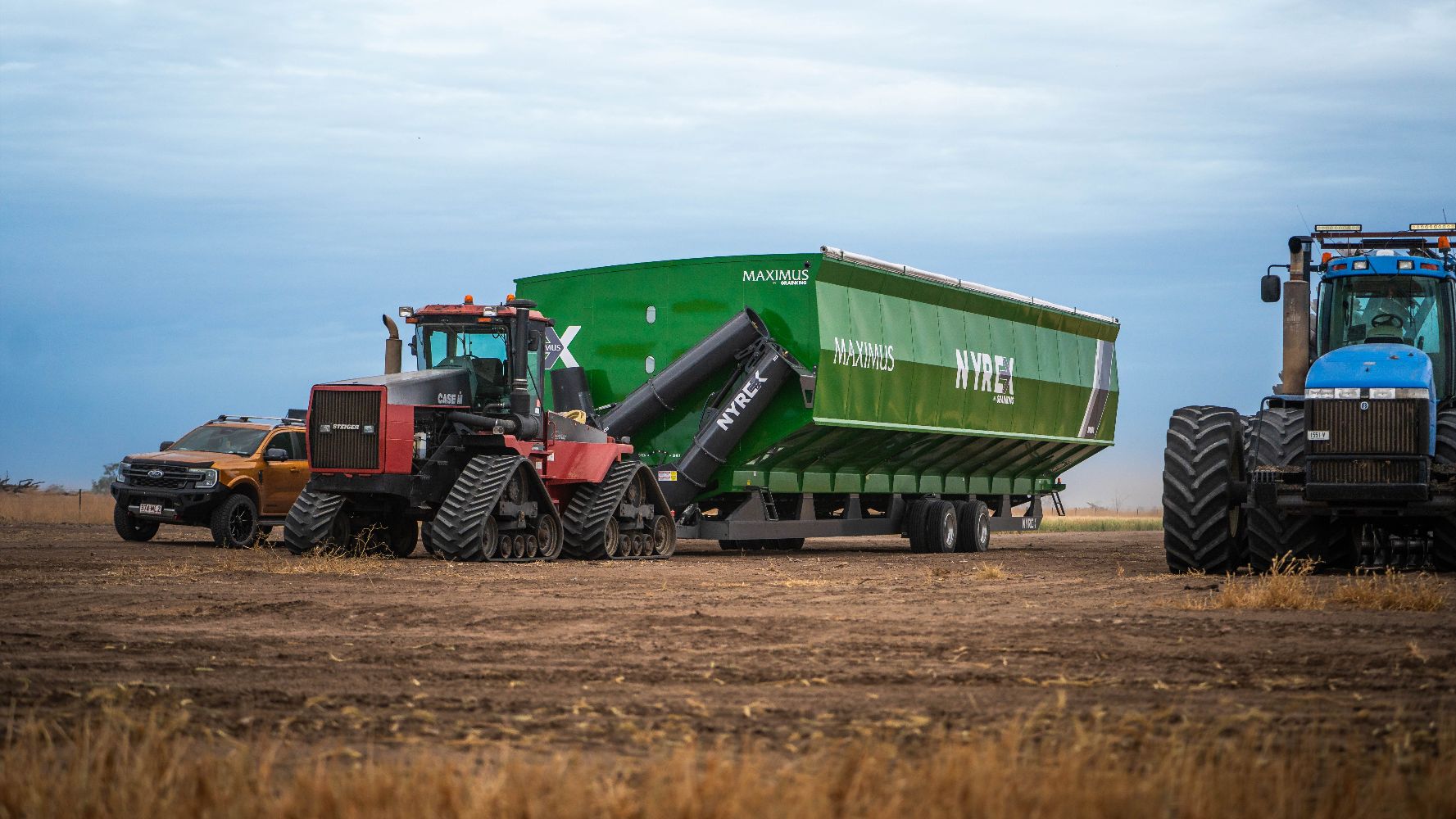
For many growers, this is where a silo starts to look like the wrong buy. Most of the cost of a silo is the fixed gear around it: the pad, the power, the crane, the concrete. A field bin needs none of the waste.
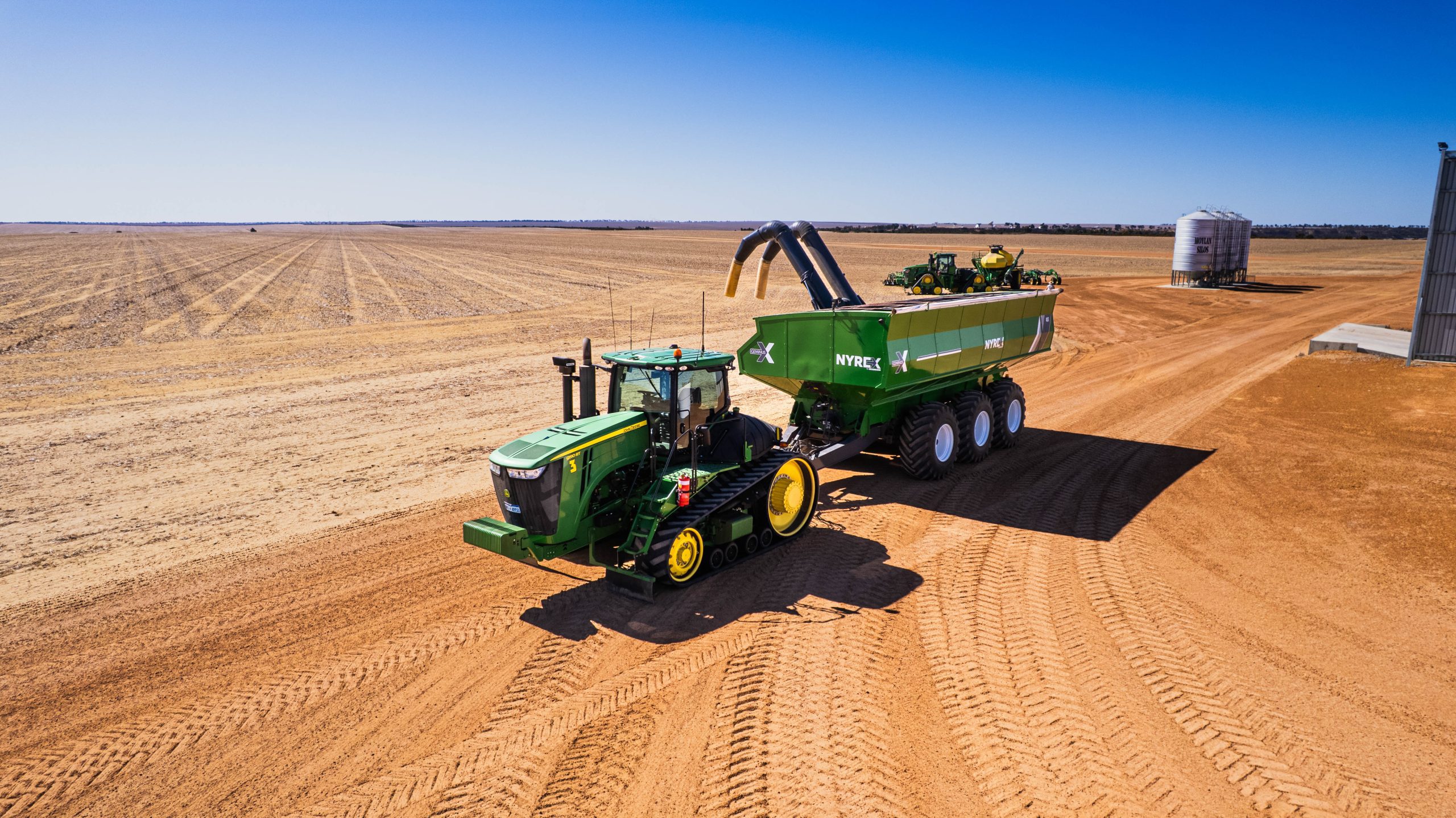
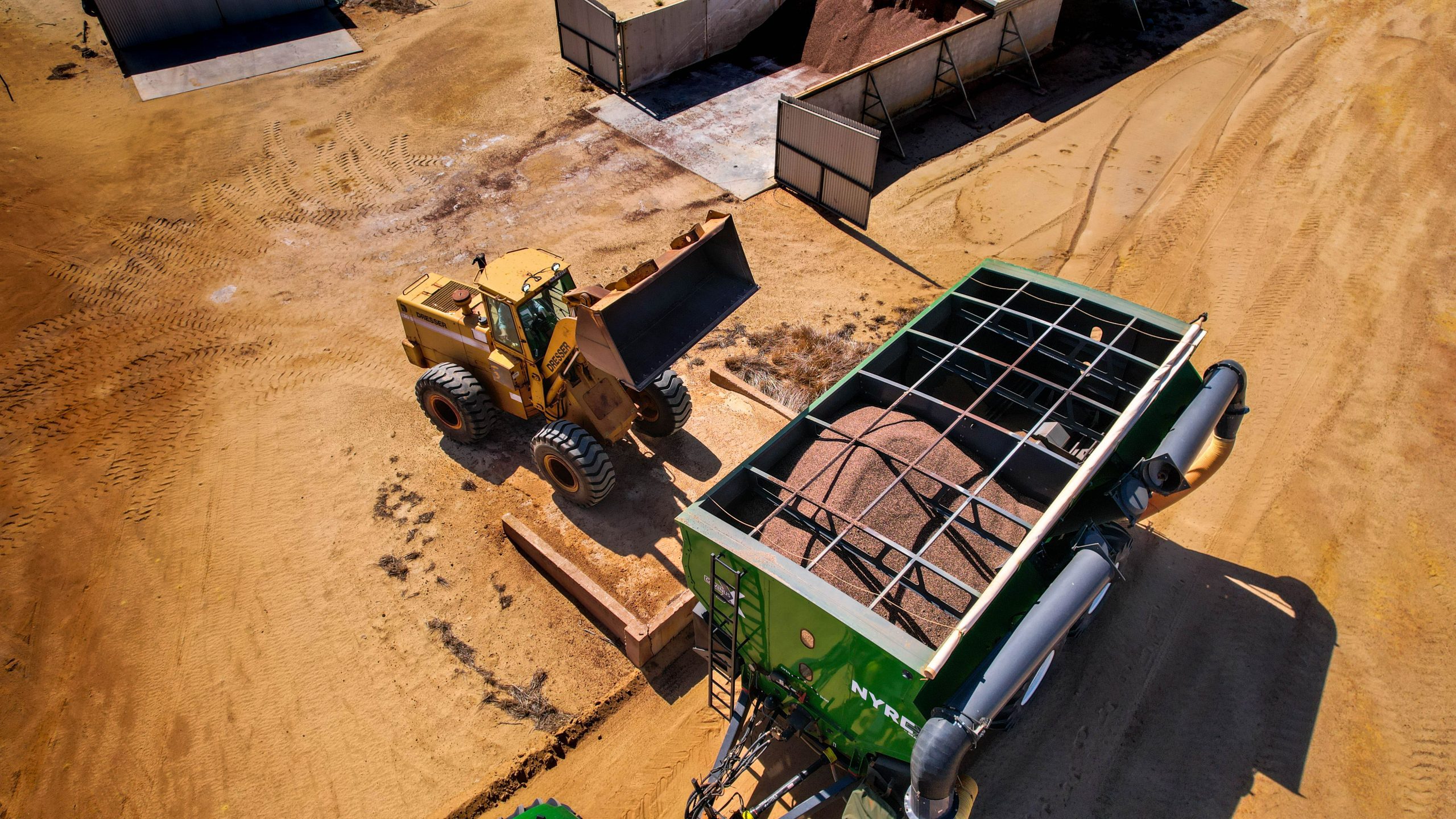
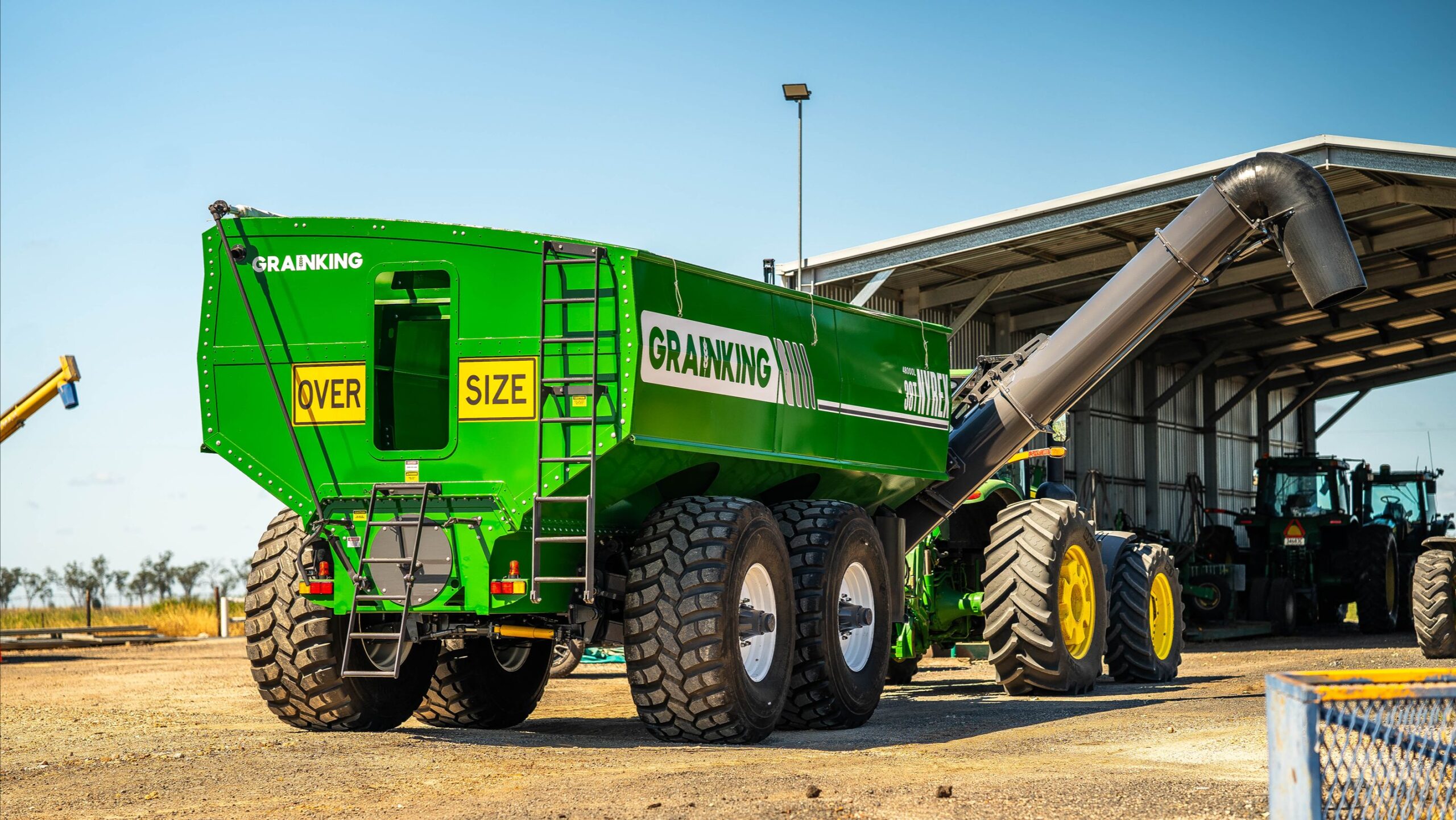
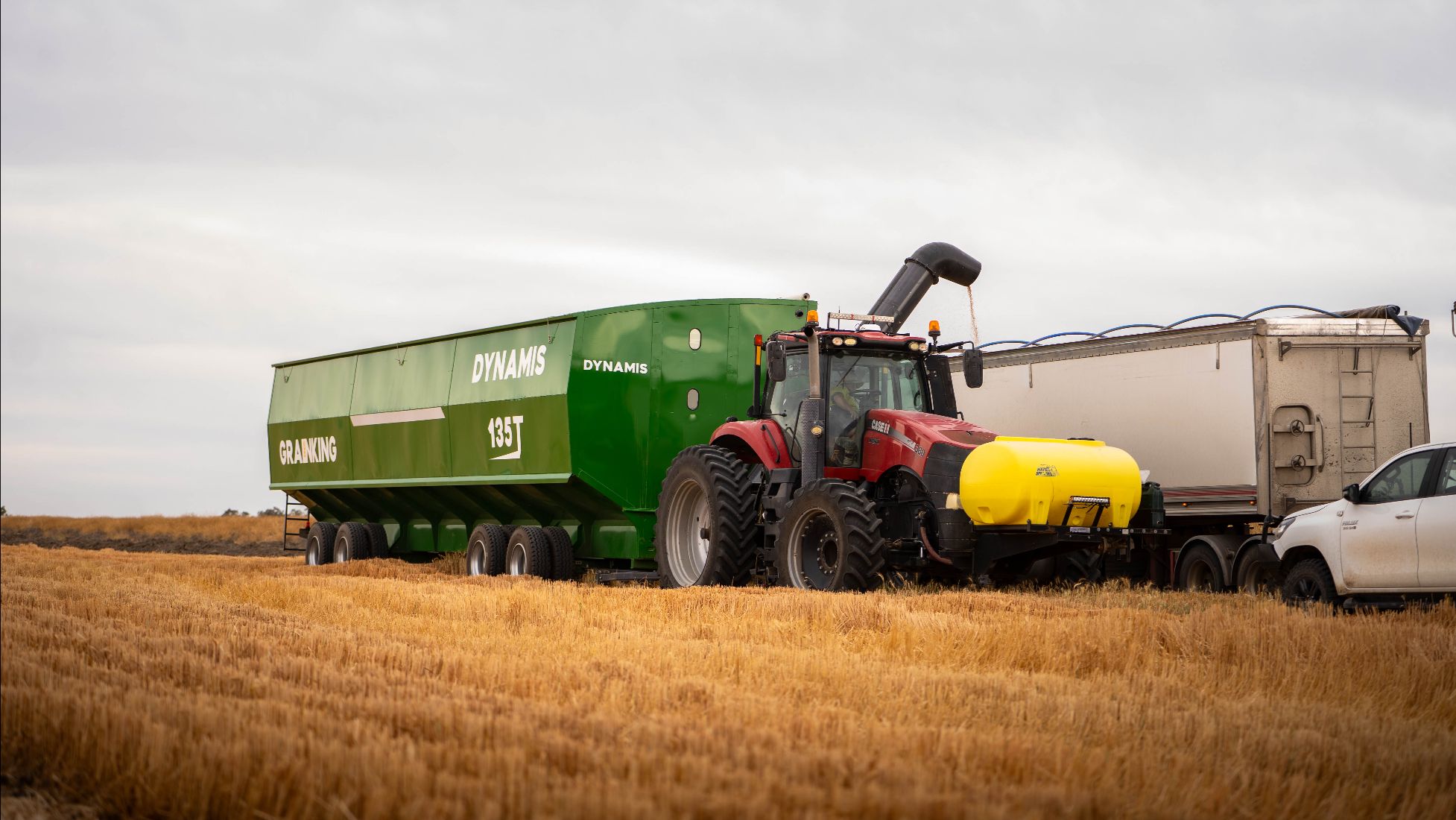
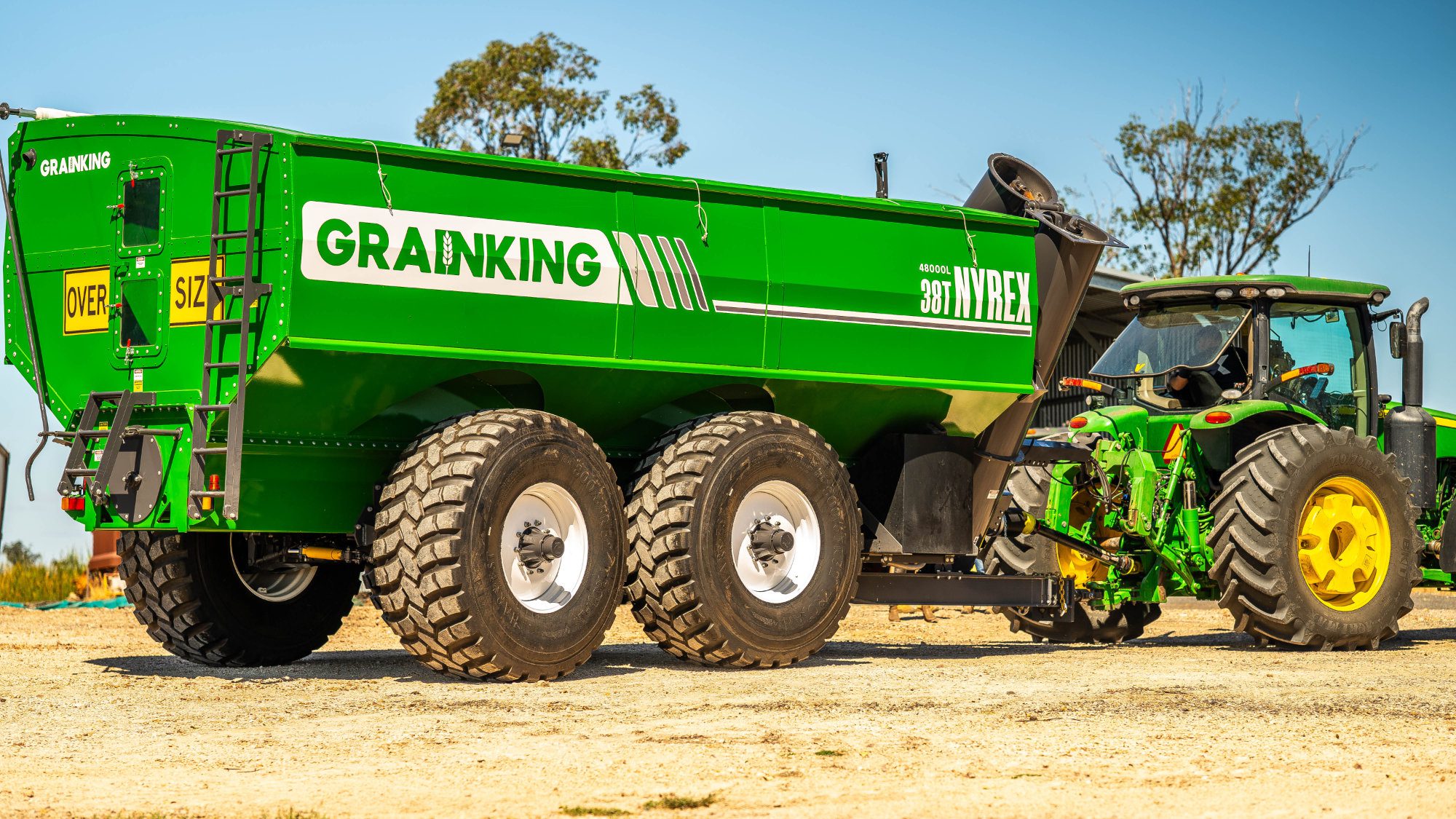
It sits on the ground, and it moves. The single biggest hidden cost of the whole project disappears because there is nothing to pour, no foundation, and no crane to hire. A GrainKing Dynamis field bins hold 135 tonnes and gives you harvest-ready storage the day it turns up, not months after a build. Parked at the paddock edge, it keeps the chasers rolling while the trucks load in their own time. When that paddock’s cut, tow it to the next one. A silo stays put, fixed to the one spot for its working life.
There’s a limit, though, and it’s a real one. A field bin keeps grain dry, but it isn’t a sealed, aerated store, so it’s not your answer for holding canola for six months or sitting on a parcel to fumigate and sell later. That’s silo work. Plenty of bigger operations run both, and that’s usually the smart play: a silo for the grain you’re holding long and field bins for the grain you’re moving.
Is a Grain Silo Worth It?
It depends entirely on what you’re asking it to do.
If you need to hold large volumes for months, sealed and fumigated, ready to sell when the price is favourable, a well-built silo is a sound investment, as it recoups costs through market timing and reduces reliance on the bulk system. If what you really need is more room at harvest and the freedom to move it around, a field bin gets you most of the way for a fraction of the setup.
The honest question was never “silo or field bin”; it’s whether you are storing grain for months or moving it through in weeks.
Common Questions About Grain Silo Costs
How much does a grain silo cost in Australia?
Far more depends on the spec than the size. A plain flat-bottom feed silo and a sealed, aerated, cone-bottom silo of the same capacity can be a long way apart on price, and the site works can add as much again.
Get quotes from a few suppliers on a full spec, not just the tank, so you’re comparing the real number.
What is the cheapest type of grain silo?
Grain bags, on capital cost alone, but they’re single-season and carry real risk from moisture and pests. Among the storage you’ll keep, a plain galvanised flat-bottom silo is usually the cheapest per tonne.
Are grain bags a cost-effective alternative to silos?
Yes, this is for short-term overflow during a big harvest. As storage you rely on, no. Bags don’t hold quality the way a sealed, aerated silo does, and you can’t fumigate them properly.
What are the hidden costs of building a grain silo?
The site works around the tank: the foundation, the hardstand and truck access, the aeration and the power to run it, and the labour and crane to put it up. None of that is reflected in the silo quote, which is what most growers underestimate.
Can a field bin replace a grain silo?
For seasonal and harvest storage, yes. A field bin gives you high-capacity, zero-foundation storage you can move around the farm. For sealed, long-term storage you’ll fumigate, no. That’s a job a silo is built for.
Talk to the GrainKing Team
Still weighing it up? Before you pour the pad, get a field bin costed against a silo for your operation.
Tell the GrainKing team what you’re storing, how much of it and how far your paddocks are spread. They’ll help you work out which one fits and what it’ll really cost you. We have been building grain storage for Australian farms since 1962.